tumblr page counter
Golden Morph

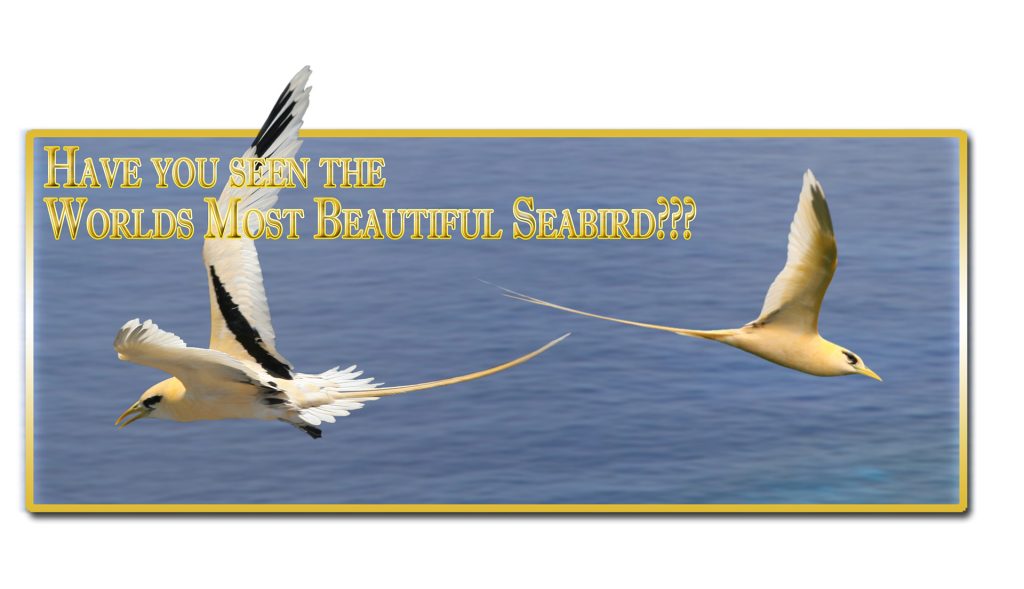
White-tailed Tropicbird (Golden morph)

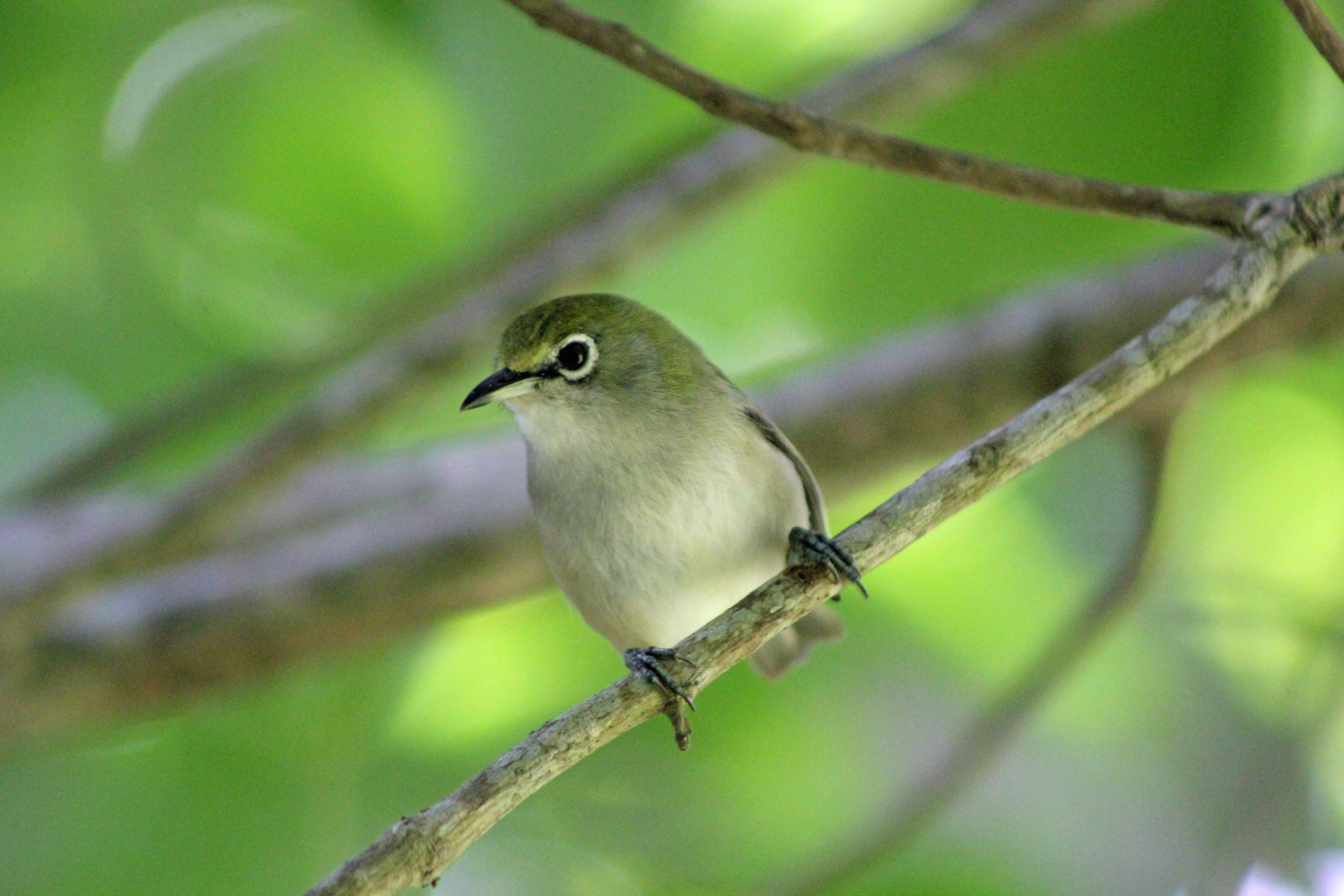
White Eye

Christmas Island White-eye

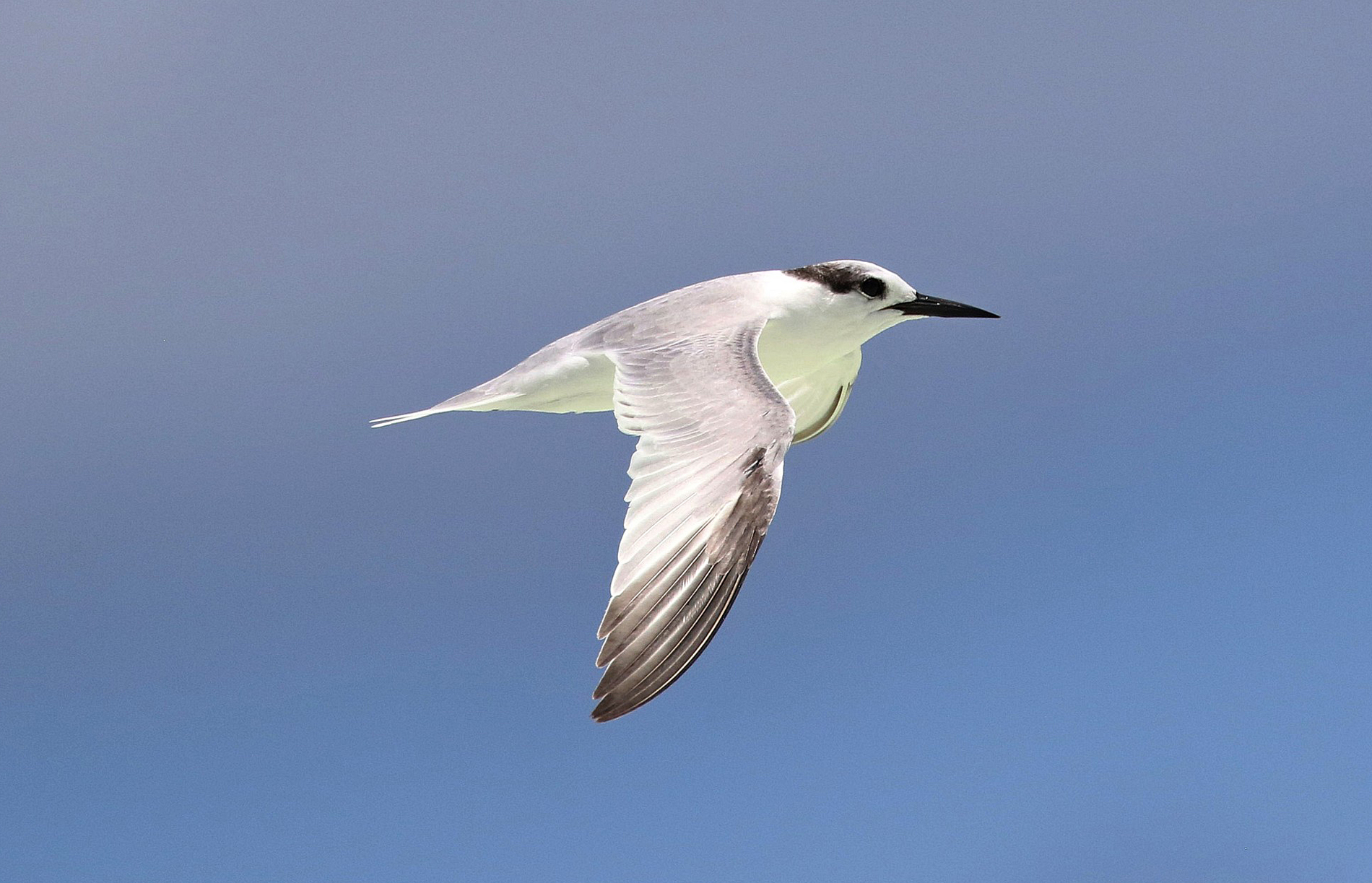
Cocos Saunder's Tern

Cocos Saunder's Tern

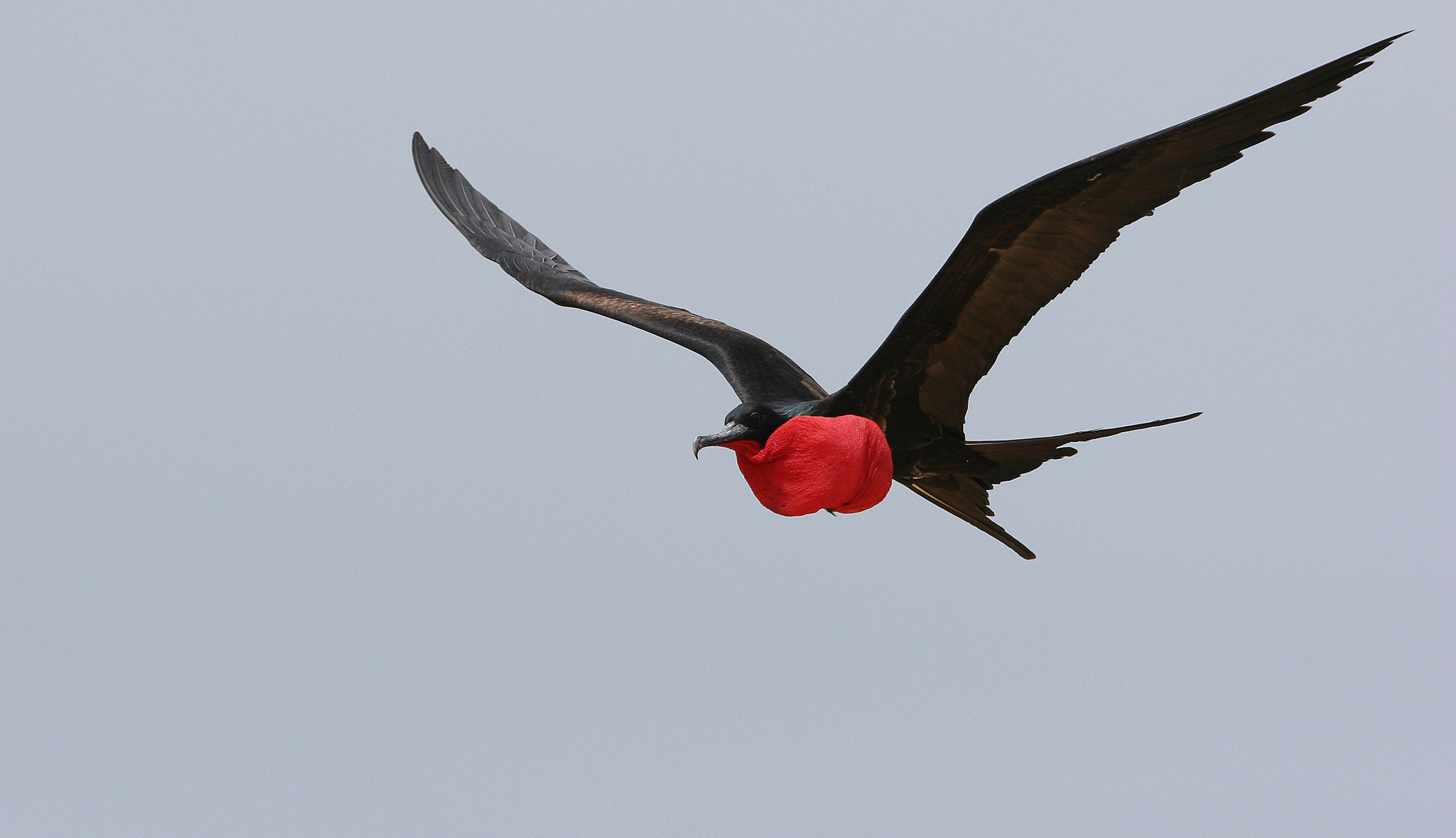
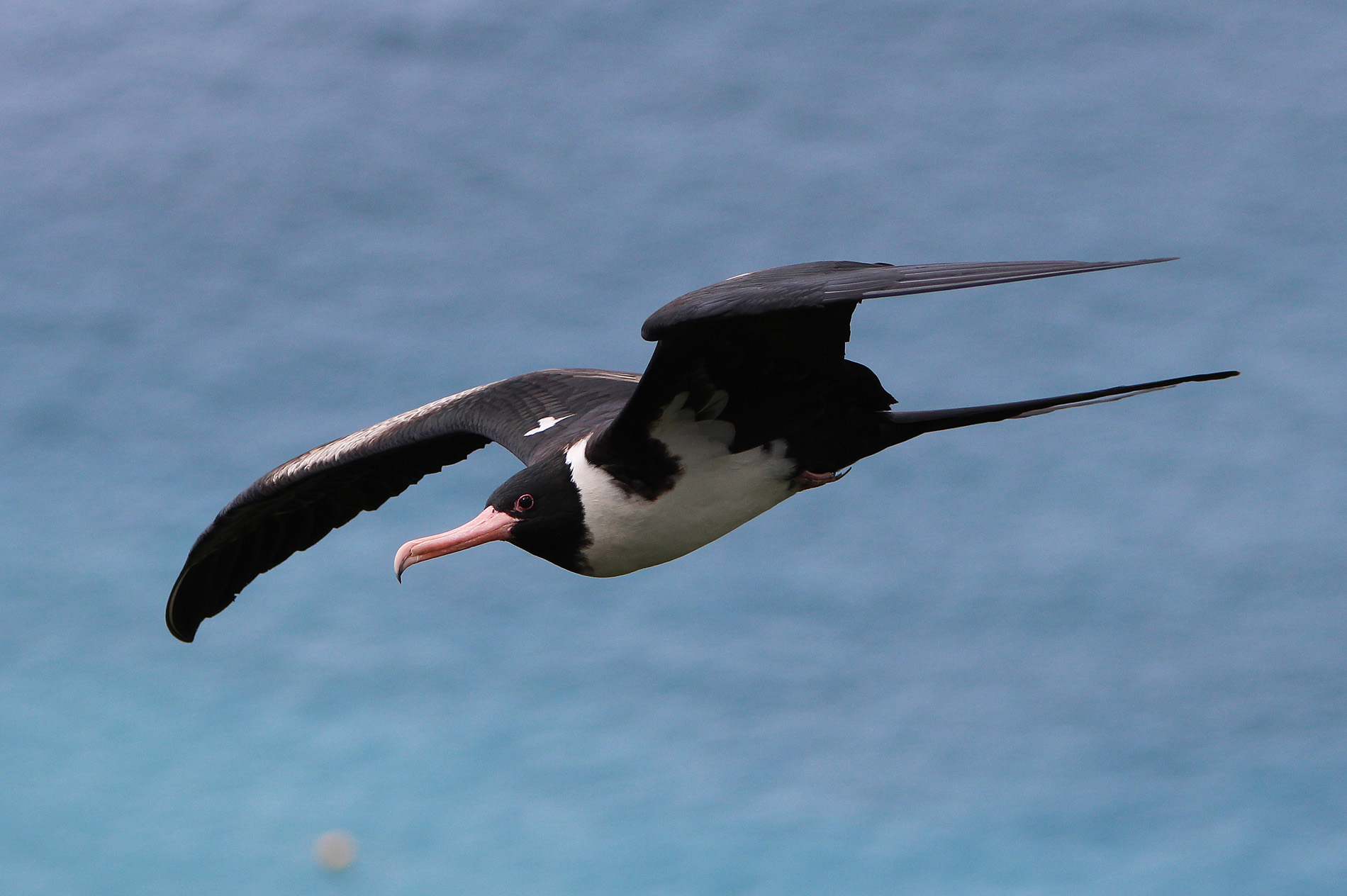
Christmas Island Frigatebird

Christmas Island Frigatebird

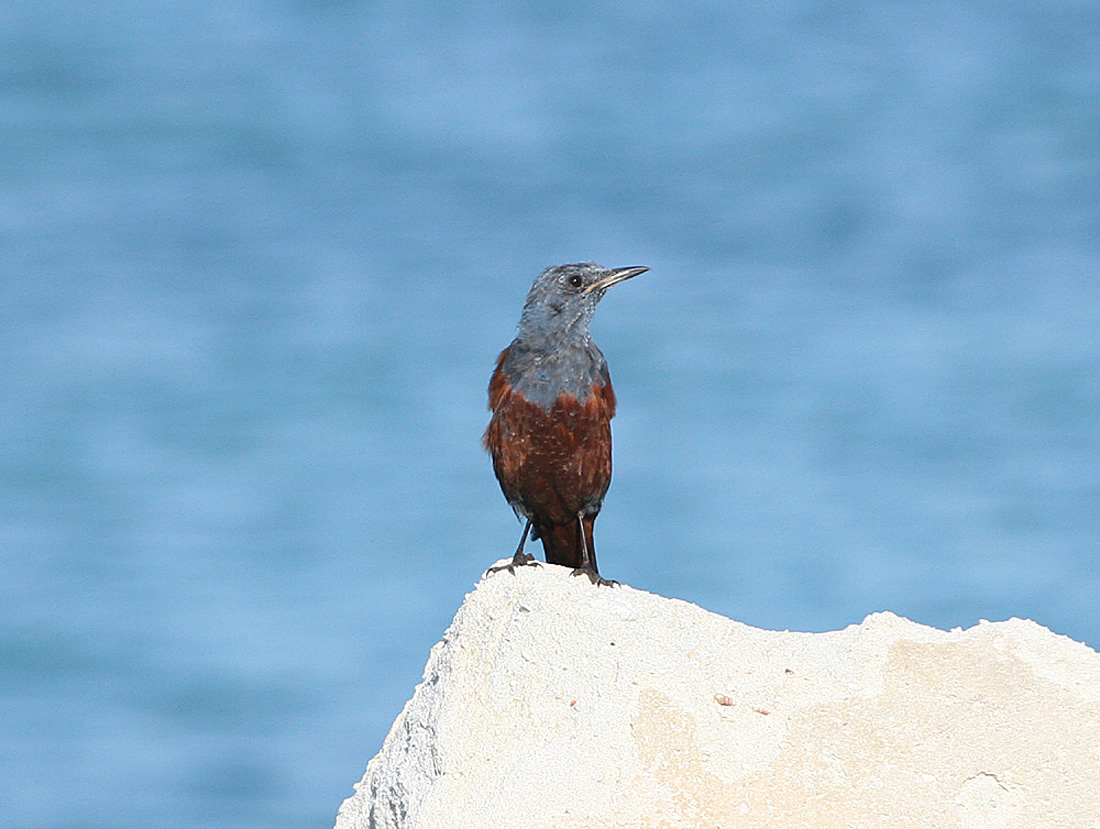
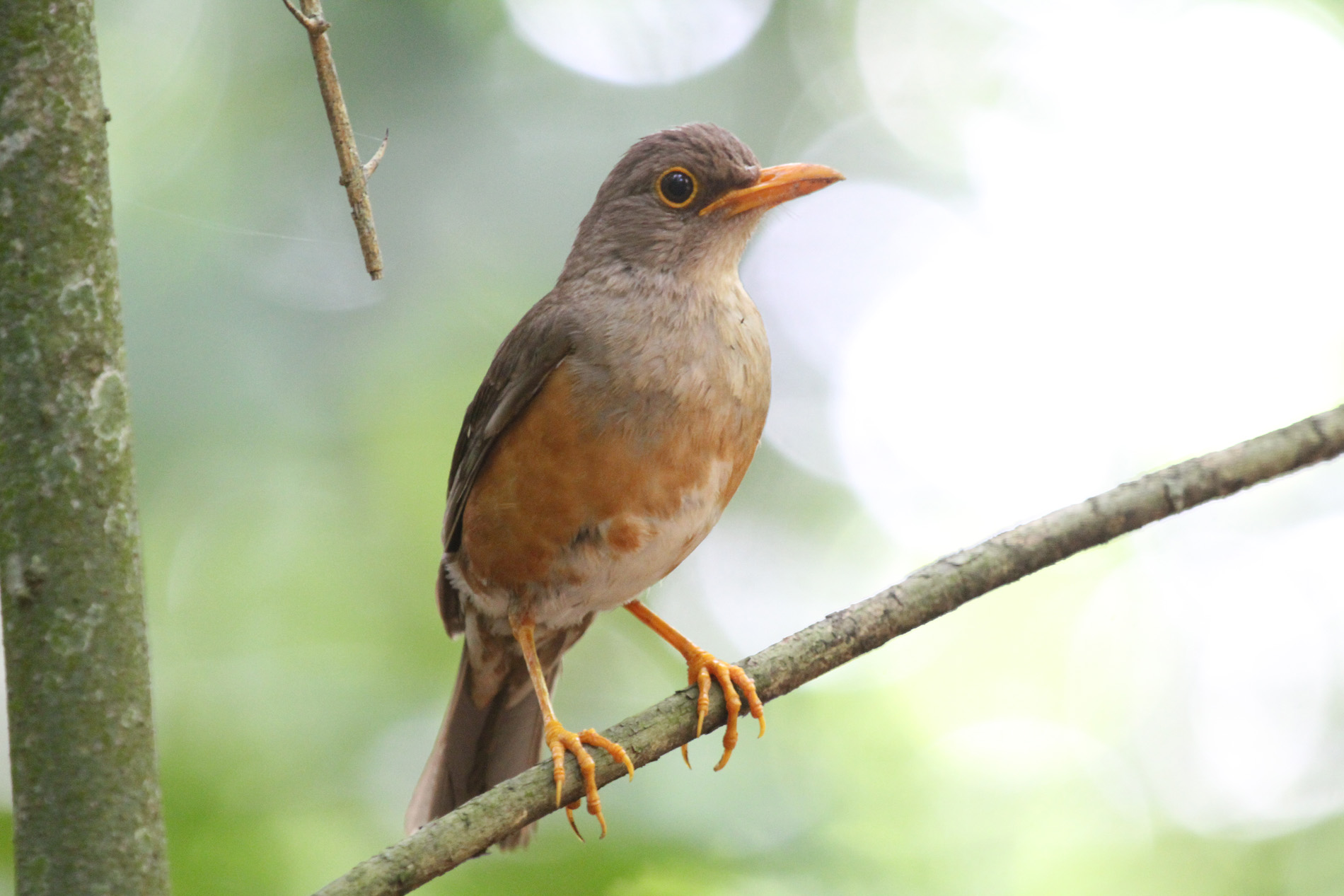
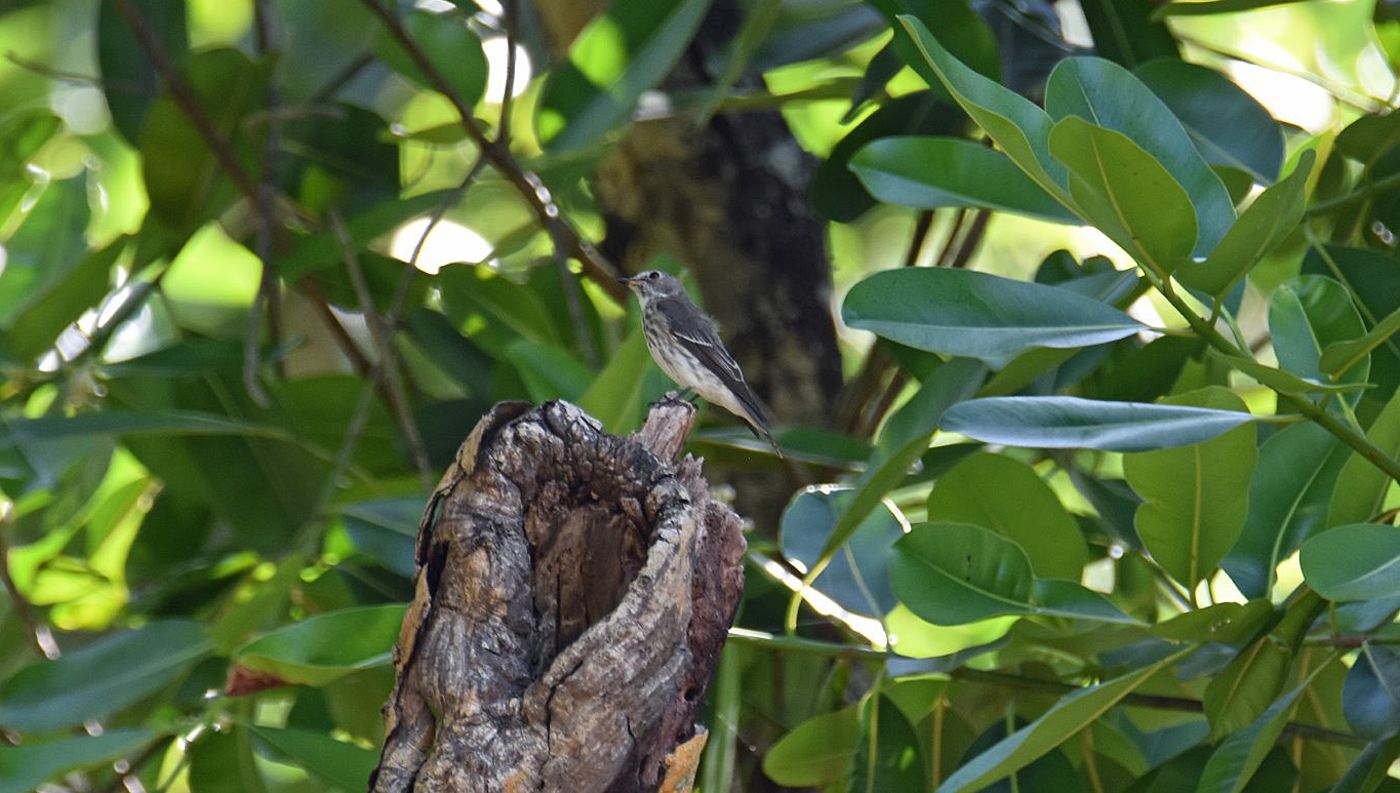
Blue Rock Thrush

Blue Rock Thrush

Christmas Island & Cocos-keeling Islands

Australia's remote Indian Ocean territories are as unique as they are spectacular. Birding Tours Australia are the experts in both of these locations, having discovered more rare vagrant species on these islands than anyone else.

* NEW! With the new Virgin itinerary we’ve extended the tour to 14 days at no extra cost. (7 days Christmas and 7 days Cocos)

  • Christmas Island
  • Cocos-keeling Islands
  • Tour Dates | Cost

Christmas Island

  • About
  • Nov/Dec 2008
  • Nov/Dec 2009
  • Nov/Dec 2010
  • Previous Trip Reports

Christmas Island 

Our groups have seen all of the island endemics easily, leaving plenty of time to search the territory's hotspots looking for rare Asian vagrant species.

To date we have recorded:

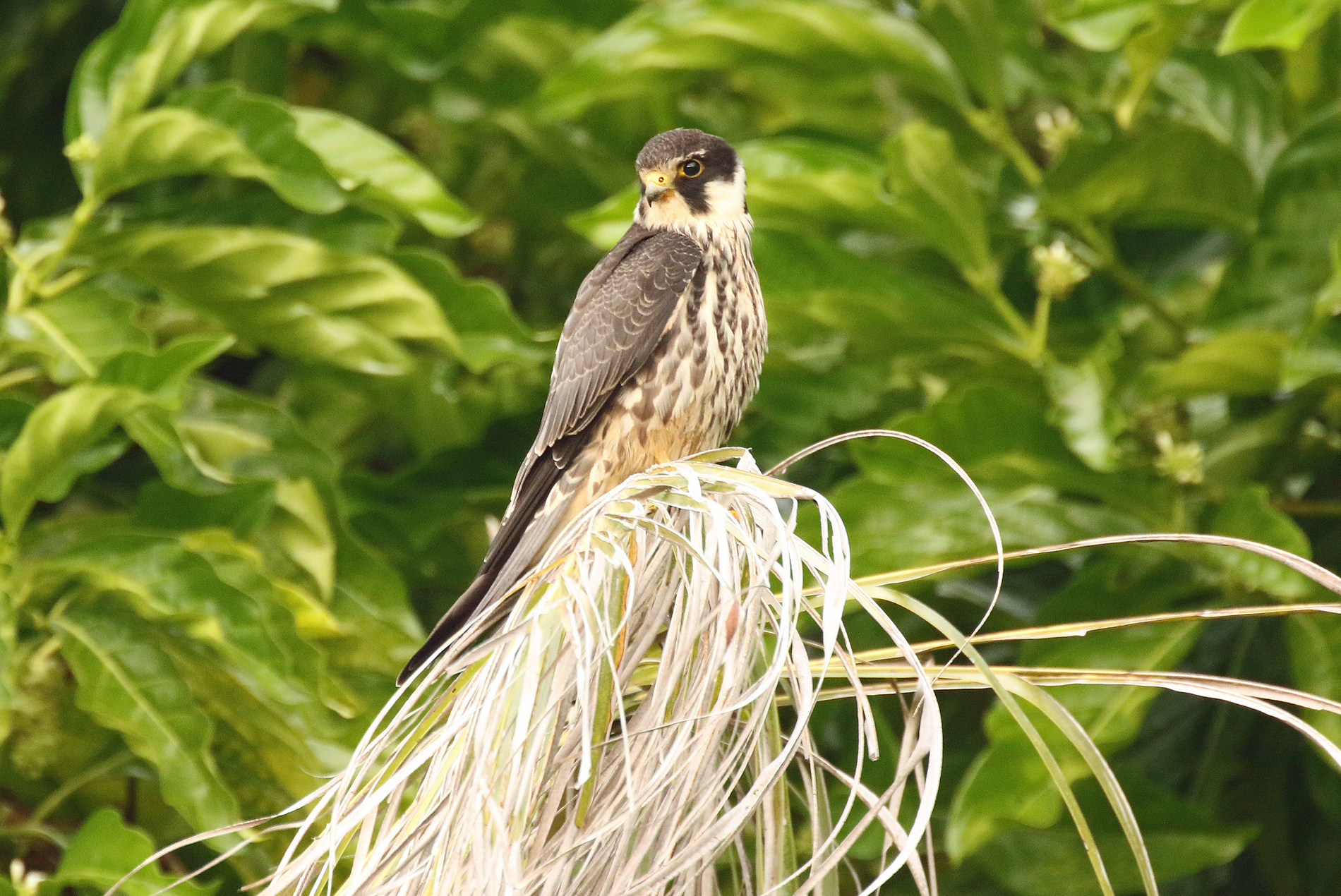
  • Eurasian Hobby
  • Savannah Nightjar
  • Asian House Martin
  • White Wagtail
  • Watercock
  • Oriental Honey Buzzard
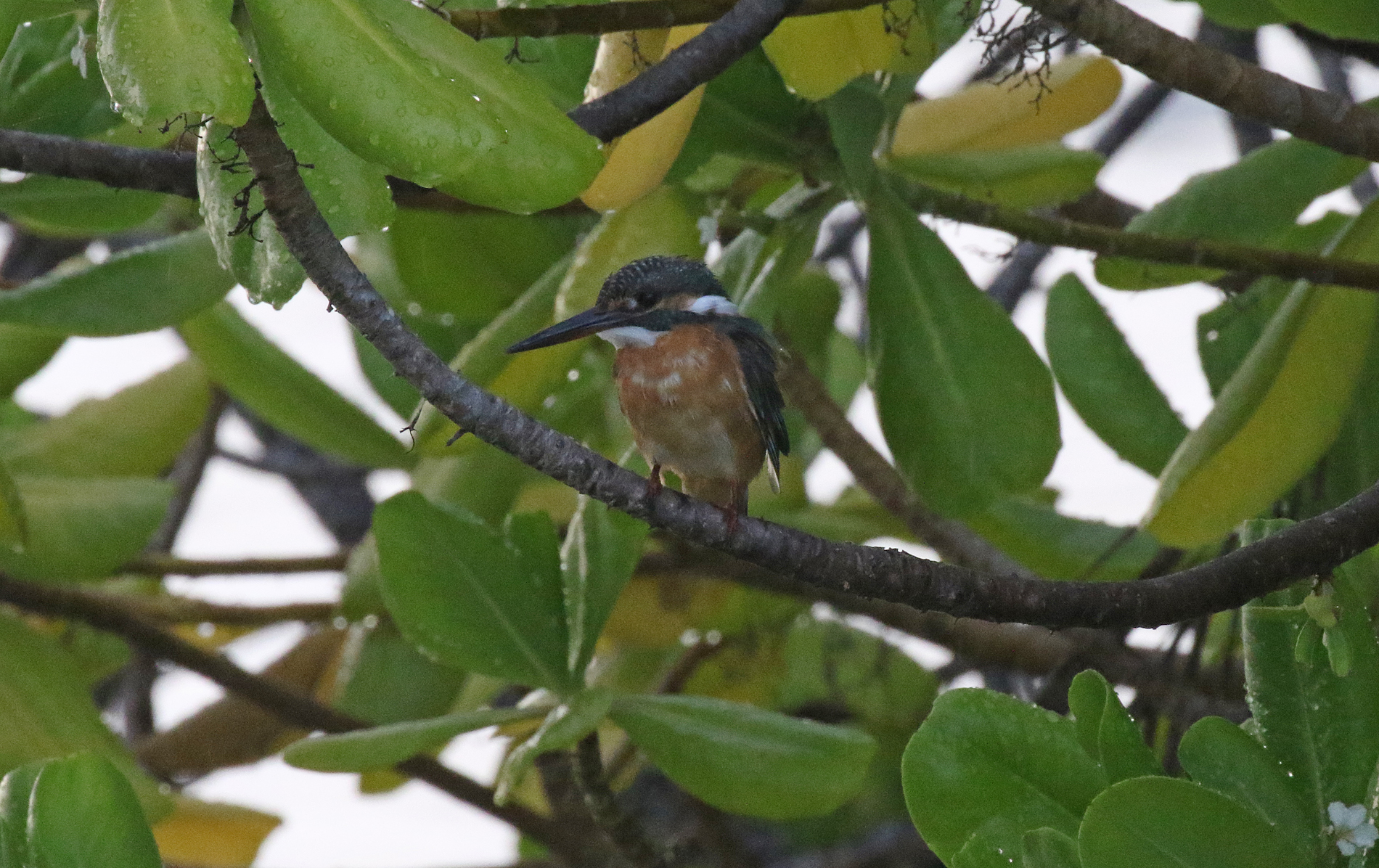
  • Common Kingfisher
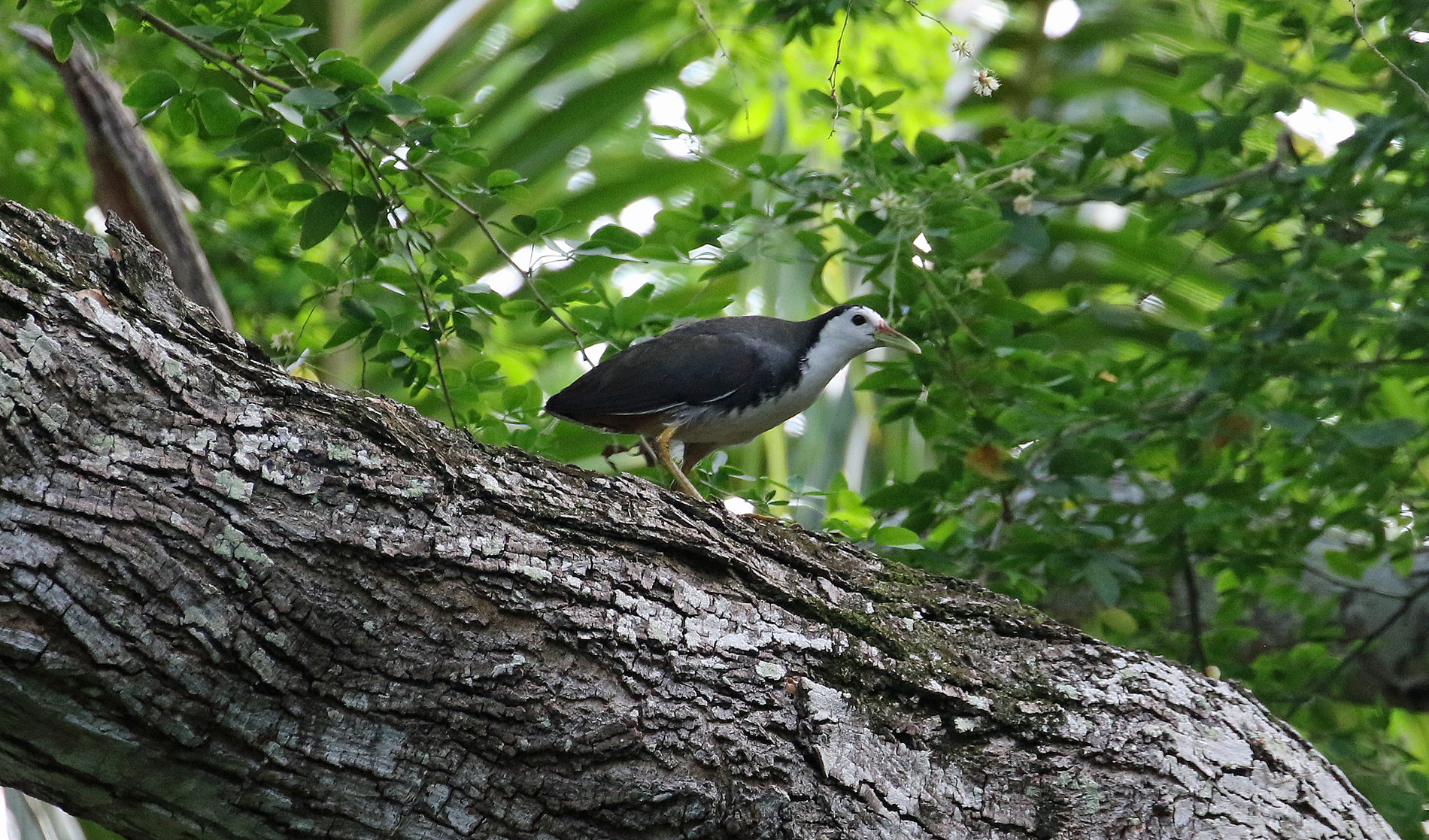
  • White-breasted Waterhen
  • Malayan Night Heron
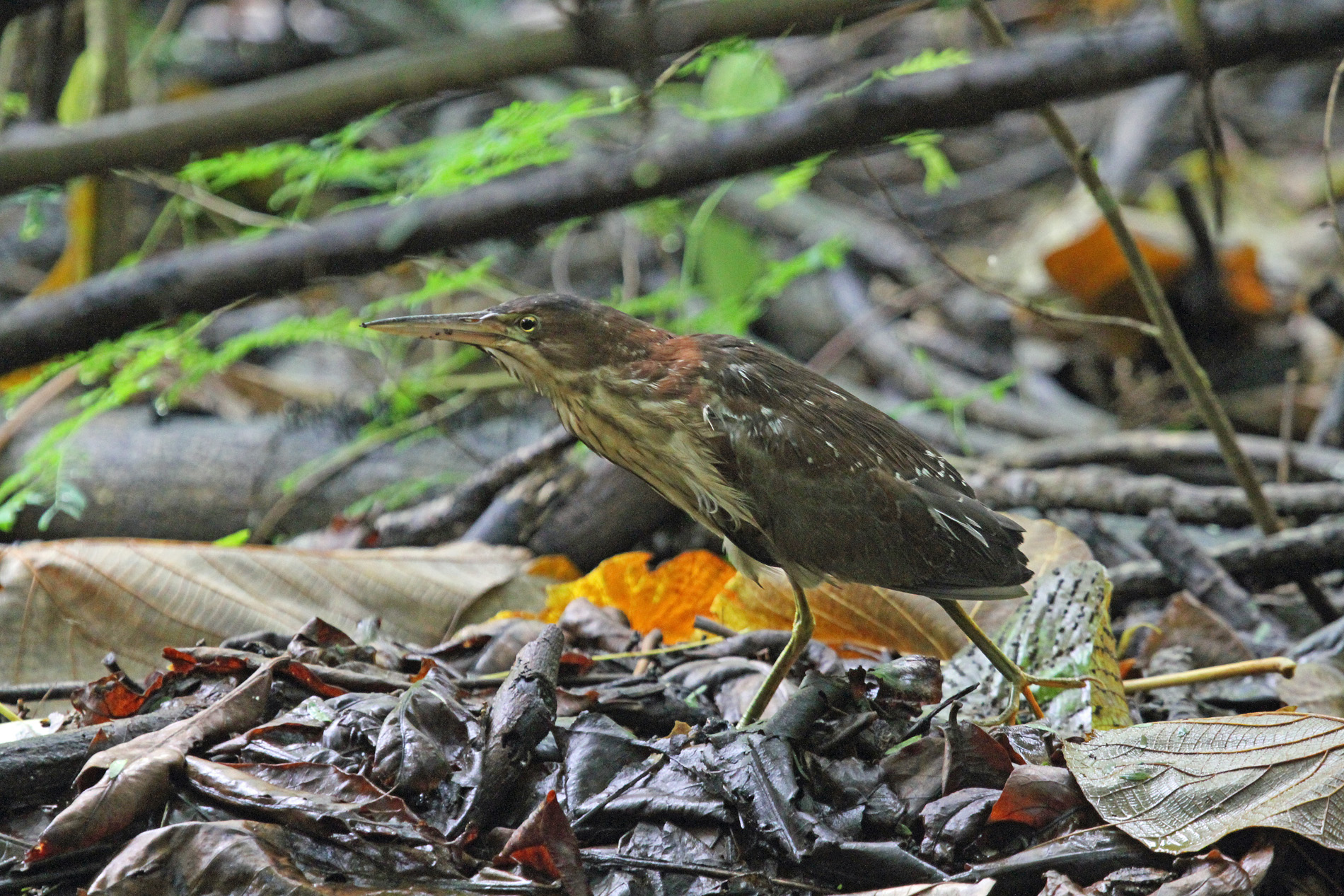
  • Cinnamon Bittern
  • Chinese Pond Heron
  • Asian Koel
  • Silver-backed Needletail
  • Grey Wagtail
  • Eastern Yellow Wagtail
  • Red-collared Dove
  • Mossy-nest Swiftlet
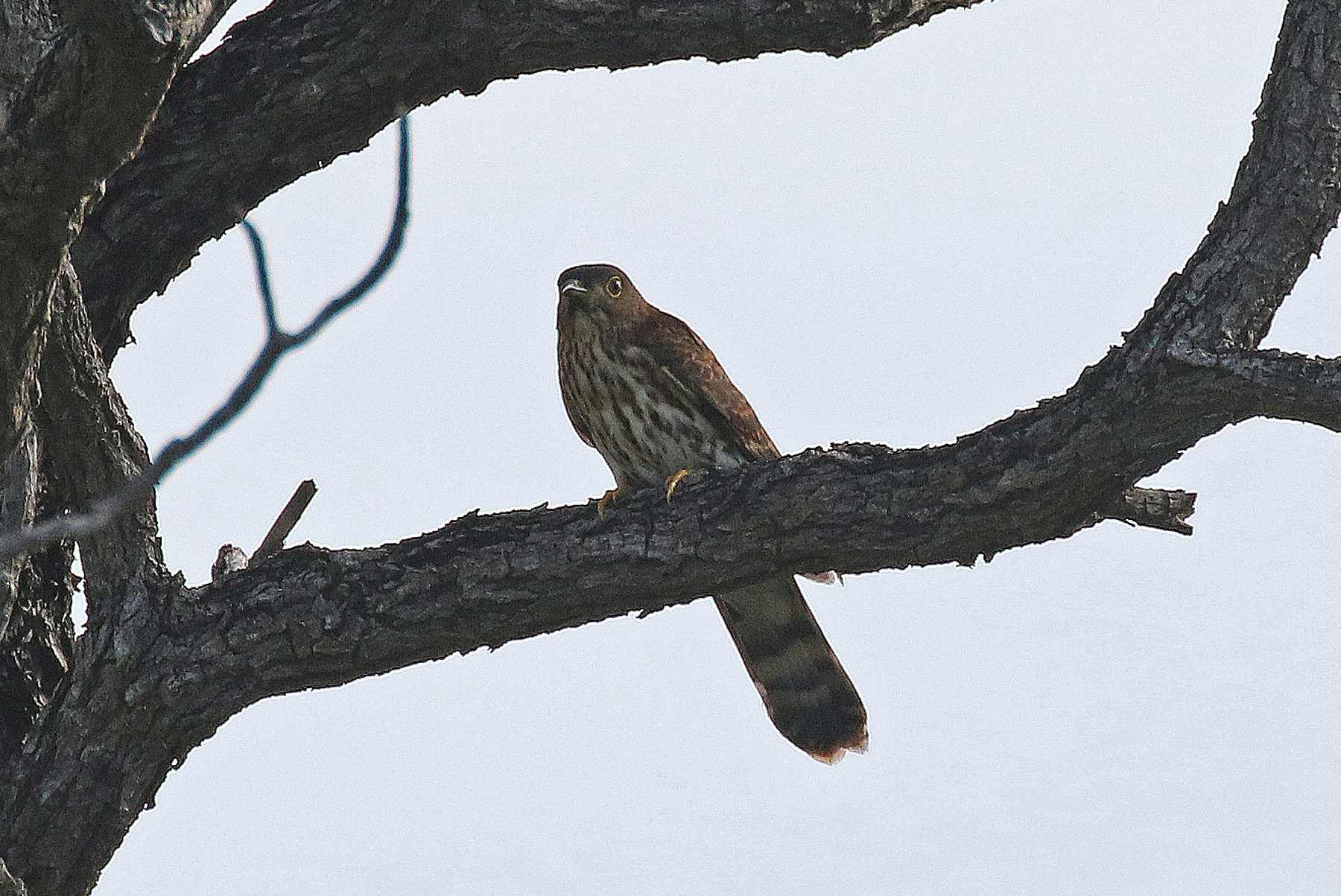
  • Japanese Sparrowhawk
  • Yellow Bittern
  • Schrenck's Bittern

Touring the island, we also often encounter:

  • White-tailed Tropicbird
  • White-tailed Tropicbird (Golden morph)
  • Red-tailed Tropicbird
  • Greater Frigatebird
  • Lesser Frigatebird
  • Brown Booby
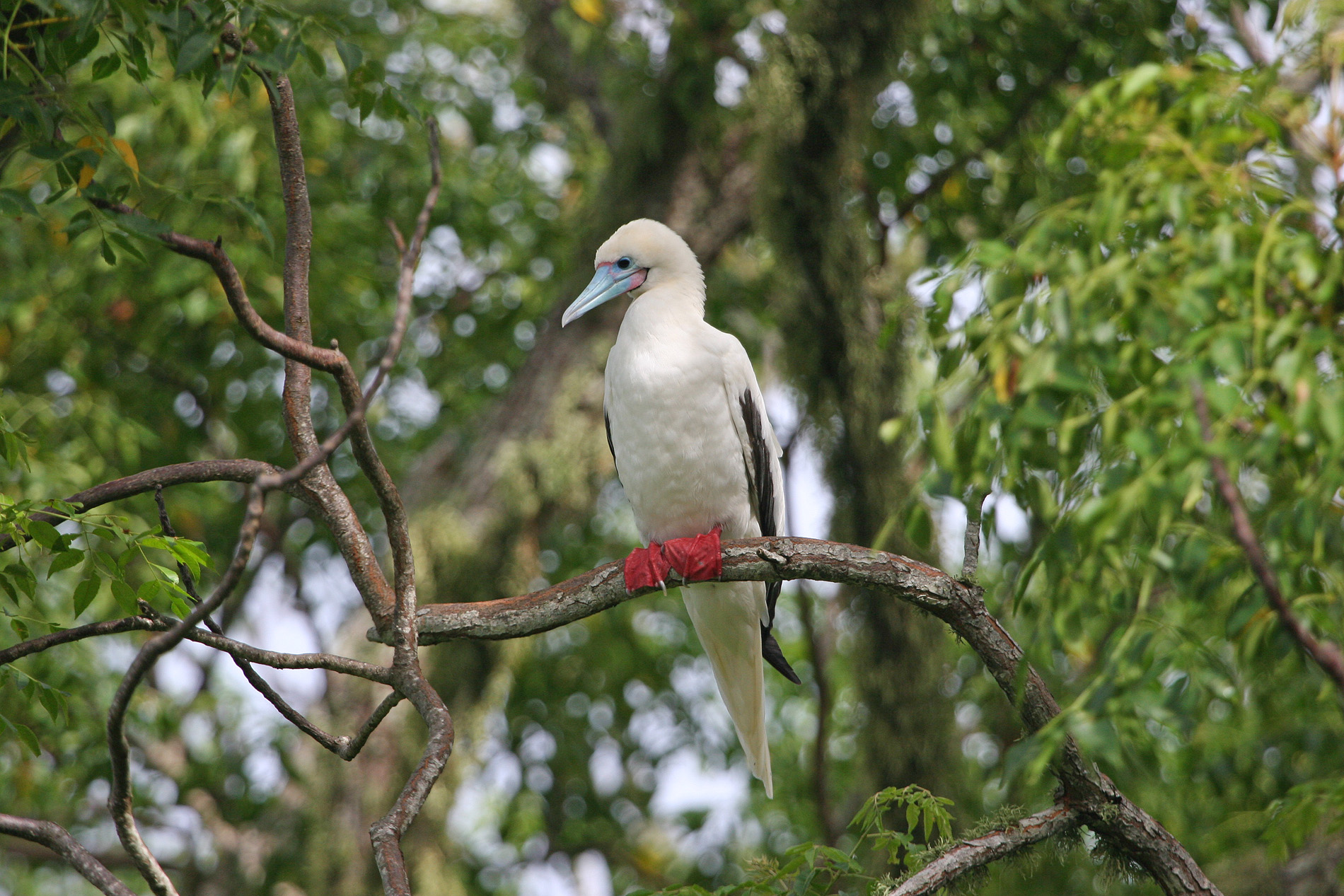
  • Red-footed Booby
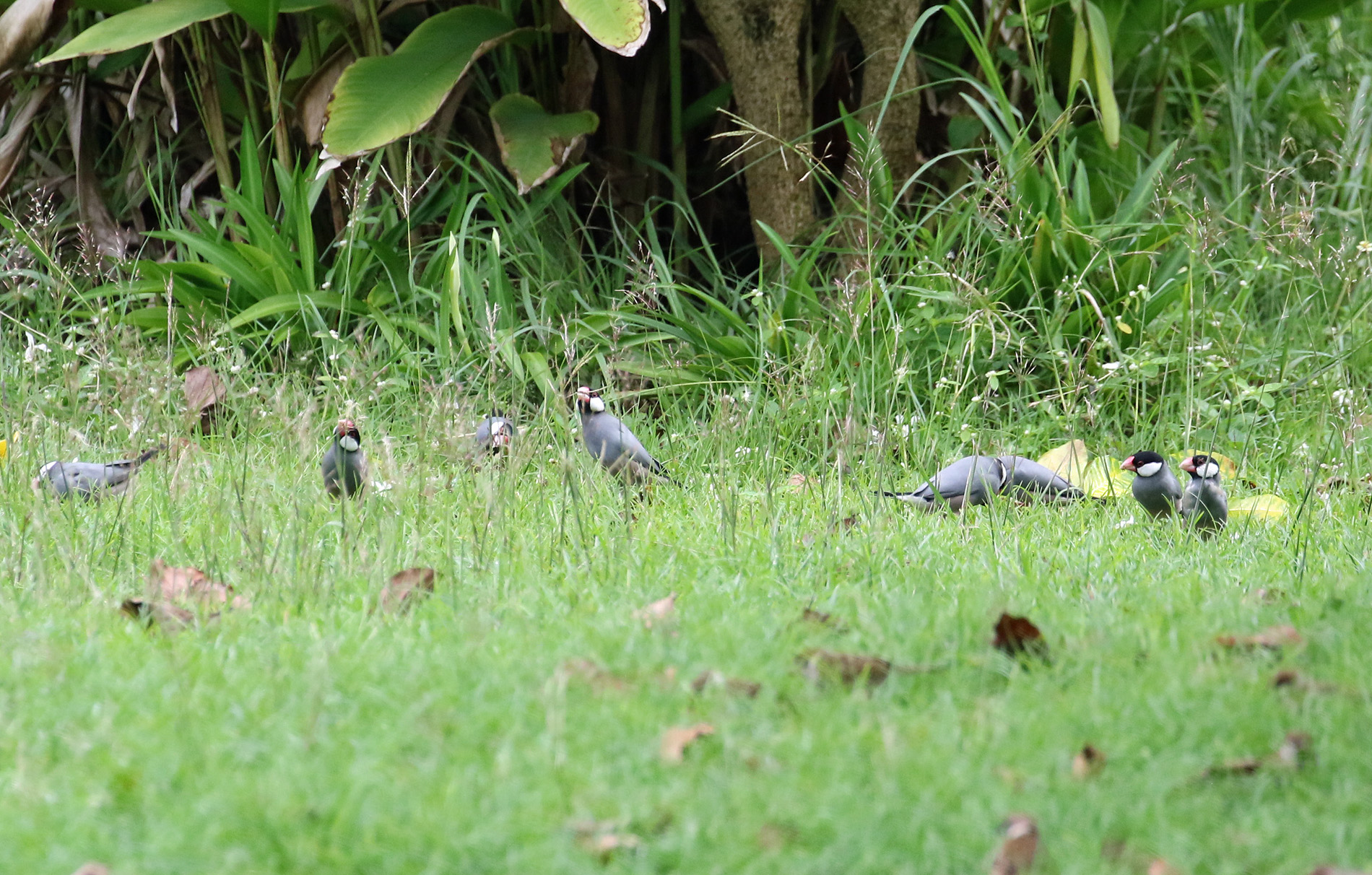
  • Javan Finch
  • Eurasian Tree Sparrow
  • Emerald Dove
  • Common Noddy
  • Oriental Pratincole
  • White-winged Black Tern
  • Barn Swallow

Also:

  • Christmas Island Fruit Bat
  • Robber Crab
  • Red Crab
  • Blue Crab

Lying 360 kilometres south of Jakarta, Christmas Island sits like a formidable, rocky bastion. It's rocky and jagged shores are famous for hosting the world's largest migration of crabs.

We’ve been to both islands twenty times and our tours are designed to accommodate birders and their partners, twitchers or those just wanting to enjoy the island’s natural history.
Christmas Island is home to a number of endemic species of birds including:

  • Christmas Island Frigatebird (The world's rarest frigatebird)
  • Christmas Island Thrush
  • Linchi Swiftlet
  • Variable Goshawk
  • Christmas Island Hawk Owl
  • Christmas Island White-eye
  • Christmas Island Imperial Pigeon
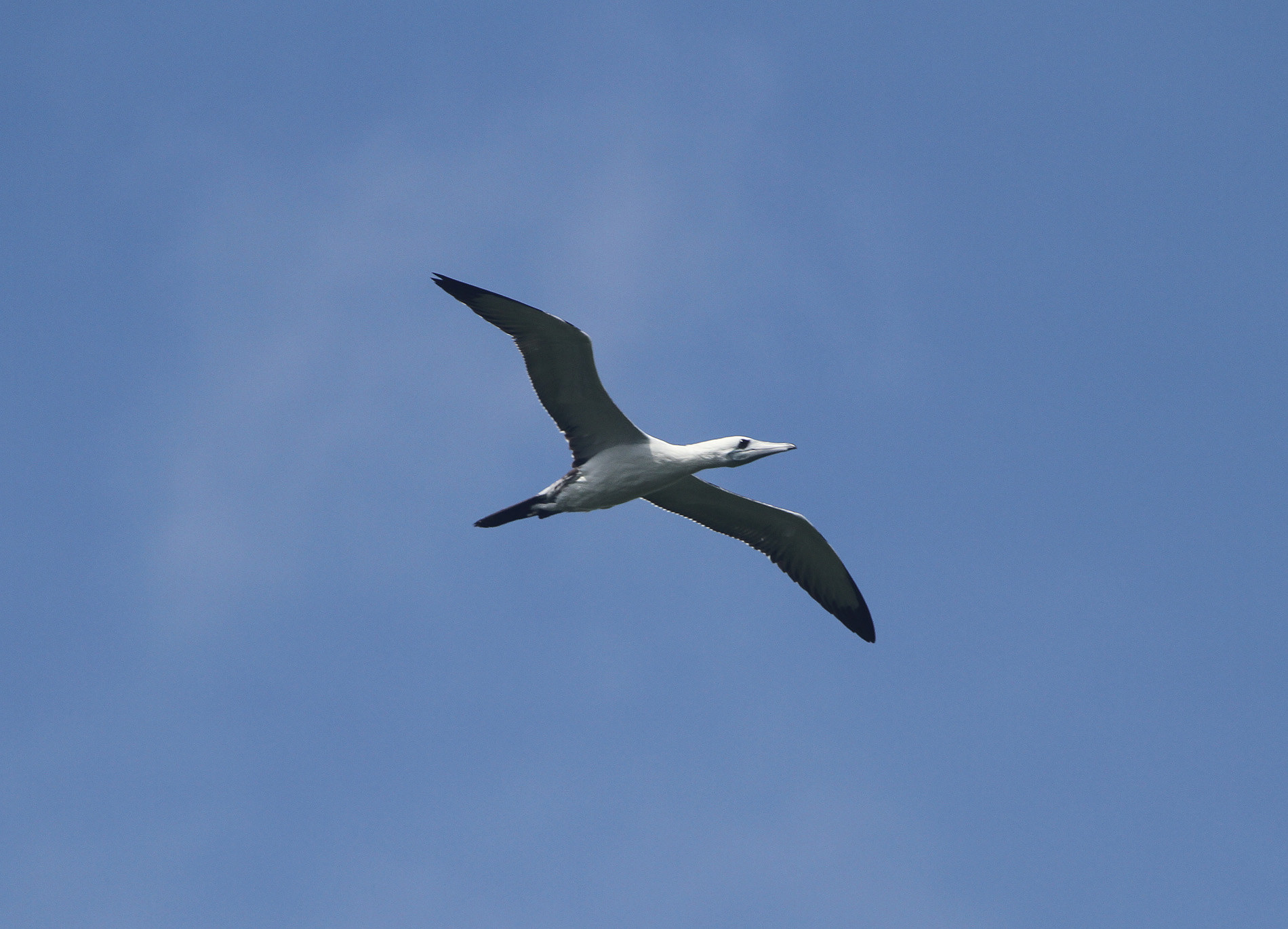
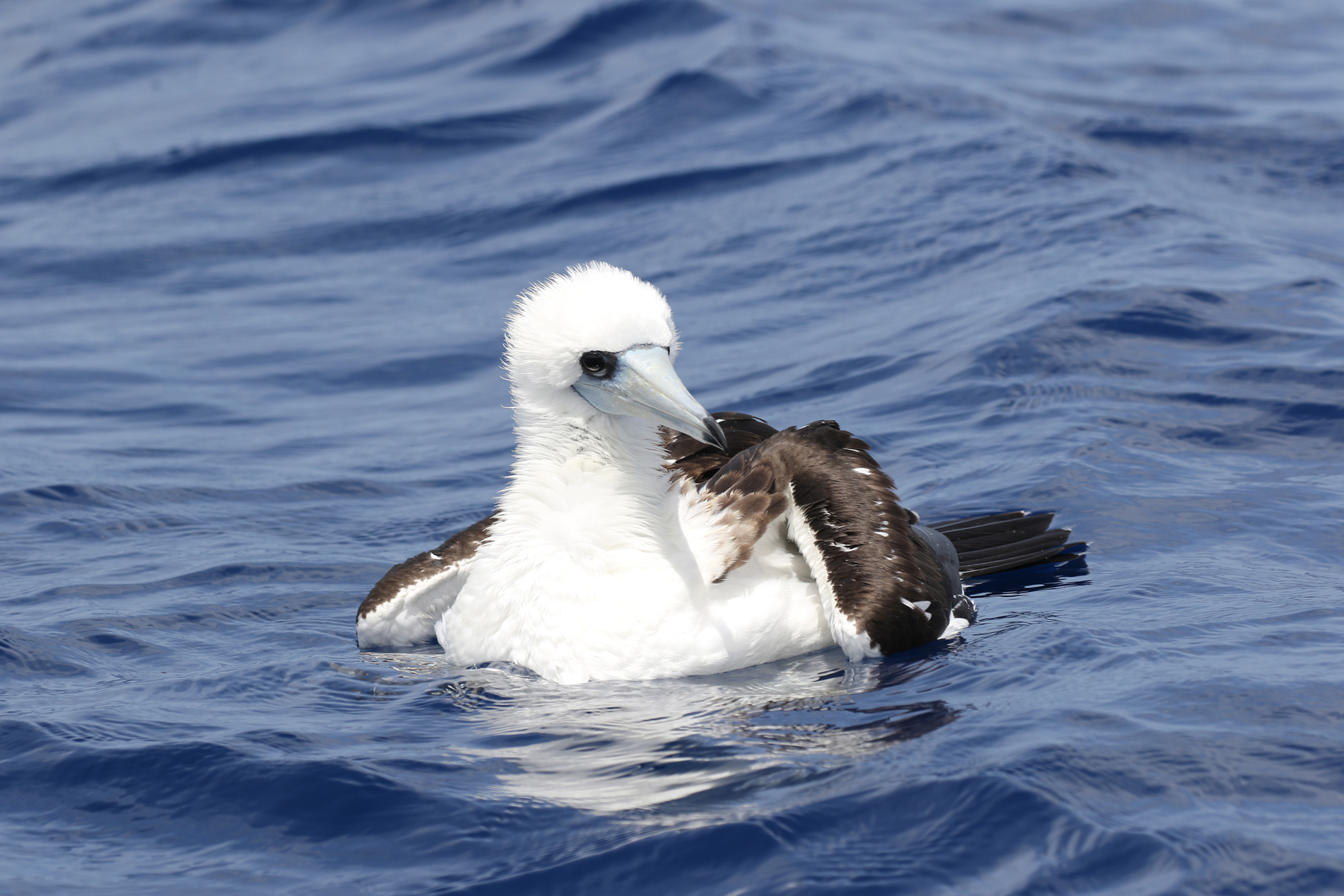
  • Abbotts Booby (The world's largest and rarest booby)

Tour Includes

  • Three airfares ex Perth, Introductory BBQ, 4X4 hire cars and fuel
  • Australia’s most experienced Christmas and Cocos birding guide
  • Nesting Abbott’s Booby & Golden Morph White-tailed Tropicbirds
  • Ocean front Accommodation on Cocos.
  • Motorised outrigger trip to South Island to see Saunder’s Tern
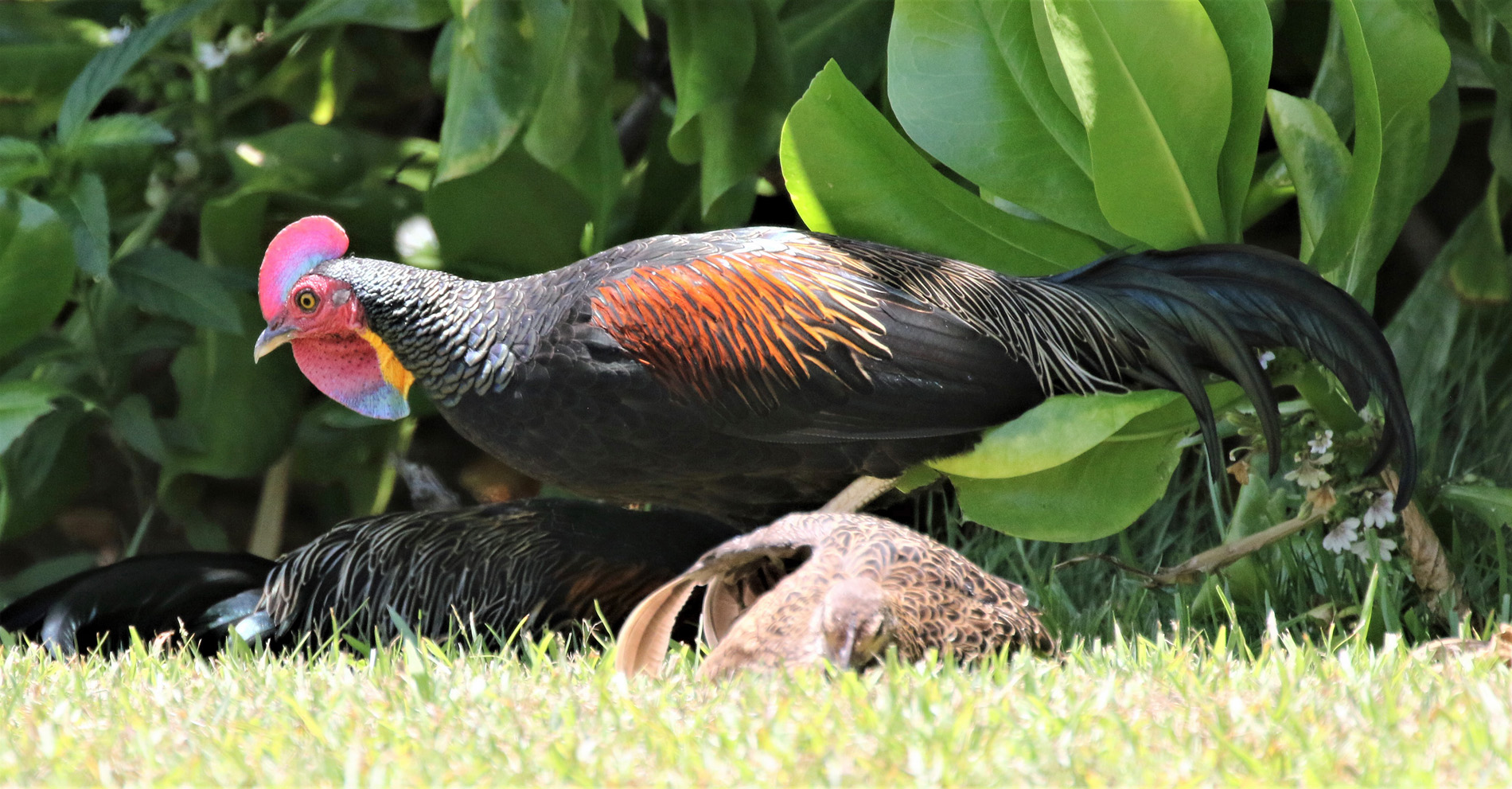
  • Australia’s only Java Sparrows, Island Thrush and Green Junglefowl
  • Boat trip to Horsborough Island Wetlands and Ferry trip to Home Island
  • CI Imperial Pigeon, Tree Sparrow and CI White-eye.
  • Pin-tailed Snipe, and White Tern, Red-tailed & White-tailed Tropicbirds
  • Complimentary lunch or breakfast on uninhabited Cocos tropical island.
  • Outdoor oceanfront dining on Cocos & Clunies-Ross Mansion and grounds.
  • Accommodation at VQ3 on Christmas Island & Snorkelling on Cocos shipwreck.
  • Close views of Christmas Island, Greater and Lesser Frigatebirds.
  • Western Reef Egret, White-breasted Waterhen & 1000+ Red-footed Boobies.
  • Spot lighting trips for CI Hawk-Owl and Nightjars
  • Boat trip along Christmas Island northern coastline
  • Christmas Island (Variable) Goshawk and Linchi Swiftlet.
  • Tour to The Dales Waterfall, Margaret Knoll and The Blowholes on Christmas Island.
  • North Keeling trip (weather dependant) Nov/Dec trip only.

Tour dates are chosen to maximise our chance of finding rarities on both islands.

Trip Report

Christmas Island and Cocos-keeling Islands

November – December 2008

Including North Keeling

 Day 1-After departing Perth International airport on Monday morning 24 November 2008 and briefly stopping over in Learmonth, we were unexpectedly diverted for the night to Cocos.  Arriving just before dark we still managed to see GREEN JUNGLEFOWL and Nankeen Night Heron.  The Cocos-keeling Islands is the only location in Australia where Green Junglefowl can be seen, so it was new for the entire group.  One of our group decided to walk up to Q-Station swamp and located eight WHITE-BREASTED WATERHEN.

Day 2- After an early check-in at Cocos airport we returned to the beach side café for breakfast and located ORIENTAL CUCKOO, as well as two White Terns flying along the beach front.  Red-footed Boobies could be seen feeding offshore while we ate breakfast and Red-tailed Tropicbird, Grey-tailed Tattler, Eastern Reef Egret as well as White-faced Herons were in the vicinity of our motel.

We arrived on Christmas Island around lunchtime and after a quick visit to the local supermarket, we checked into our accommodation.  We spent the afternoon exploring Settlement on foot and the northern coastline along to the Casino.  It was here we had our first encounters with Tree Sparrow, Christmas Island White-eye, Island Thrush and Christmas Island Imperial Pigeon.  Our walk along the coastal cliffs gave everyone excellent views of Great Frigatebird, Brown Booby, Red-footed Booby, Red-tailed Tropicbird as well as the World’s rarest frigatebird – Christmas Island Frigatebird.

That evening we had a pre-arranged BBQ at Flying Fish Cove with Lisa Preston from Christmas Island Travel.  Prior to dinner we located three BARN SWALLOWS, with the dark blue breast band clearly visible, flying along the front of the cove buildings After a delicious ocean front BBQ we returned to our accommodation to prepare for a very full week of birding ahead. An added bonus of birding on CI is that there are no poisonous reptiles or spiders, no ticks, no leeches and tropical diseases, such as malaria to worry about.  The biggest problem we anticipated all week was the millions of red crabs covering the island on their annual migration.

Great Frigatebird

Christmas Island Frigatebird

Day 3 -  On our first morning the pace began to quicken as we explored further a field. As dawn broke, we were soon logging new species, with good views of Java Sparrows near our accommodation.  From here we headed down to the cove to watch the Red Crab migration and spawning.  The wet season had arrived early this year with the first rains coming in late October.  The island was green and had a wet season look about it.  Although the main crab migration had occurred early, several roads and tracks were still closed due to this secondary migration.
After breakfast we stopped at the obligatory Tourism Centre Lookout for Golden Morph White-tailed Tropicbird which duly obliged with several close passes.  Golden Bosun Phaethon lepturus fulvus is surely the world’s most beautiful seabird.   Also here were Common Noddy, Red-footed Booby and Red-tailed Tropicbird. Despite scanning the phosphate loader and nearby buoys we failed to find any Lesser Noddy.

We’d been on the island for 24hrs and not visited the rubbish tip yet, which I’m sure was a record for me.  So next stop was the dump.  As we strolled through the tip Bill Ramsey said something like,” There’s an unusual swift up there.”  Soon after that we’d seen our first rarity of the trip, SILVER-BACKED NEEDLETIAL.  Once again the rubbish tip had delivered!

After lunch at the Noodle Bar we paid a visit to the plantation, which is a good site for the recently split Christmas Island Goshawk.  Before arriving we flushed a goshawk from the road side and before long we all had good views of this often very obliging species.

By late afternoon we only had two endemic species still to see - Abbott’s Booby and the hawk owl.  We finished the day off at Margaret Knoll with views of Abbott’s Booby Papasula abbotti returning to the island from the south.  This Island is the only home of the endangered Abbott's Booby, which nests in the tallest trees of the rainforest.  Abbott’s Booby is not only the world’s rarest booby but also has the largest wingspan of any booby and was once found on other Indian Ocean islands and possibly in the South Pacific.

We also had some great views of the endemic Christmas Island Fruit Bat.

Margaret Knoll is the island’s most spectacular lookout and a great place to spend an hour in the morning or evening.  That evening we spent 20min at the golf course seeing our last CI endemic- Christmas Island Hawk-Owl.

Red Crab

Red Crab


On our 4th day we took an afternoon boat trip along the northern coast.  I did this trip in March 08 when I was on the island looking for new places to explore.  I’d always been keen to explore one of the most inaccessible parts of Christmas Island, the rugged coastline.  Virtually impossible to access from shore, a boat was my only option.  So in March I set about finding a boat charter operator that would cruise slowly along the coastline for a few hours while we observed the thousands of roosting and nesting seabirds as well as searched for other interesting species such as vagrant kingfishers from Asia and species like Blue Rock Thrush.  

Half our group boarded the boat at Flying Fish Cove and after a close inspection of the noddies on the phosphate loader we headed west towards North/West Point.  The coastal terraces are an incredible sight from the water with a boobies, frigatebirds, noddies or tropicbirds in nearly every tree.  We cruised past caves, bays and remote beaches, finally stopping for a snorkel on West White Beach.

West White Beach is one of the islands premier dive locations and we spent 20min drifting over the vast coral garden which sits adjacent to the 1500ft drop off.  Swimming out over the drop off we climbed back aboard the boat to greet those that didn’t snorkel and to continue our trip along the coast.  As the sun was setting we cruised back into Flying Fish Cove after a very pleasurable afternoon. 

Red-tailed Tropicbird

On the morning of day 5 we visited the airport runway and located five Oriental Pratincole.  Whilst Bill was returning to the airport via Gaze Rd he sighted an unusual Gull/Tern with a yellow bill and blackish cap.  We were soon spread out along Gaze Rd and the surrounding ocean front searching for this vagrant gull/tern but after two hours of searching we failed to find it.  Later in the day we located Grey Plover and had excellent views of the local sub sp of Emerald Dove.

On the morning of day five I decided to try the Winifred Beach track. The track had been closed for two years and had become badly overgrown and impassable.  I’d heard from Parks Australia staff that they had cleared it, so off we went.  In March 2008 we tried unsuccessfully to reach the end but the fallen trees and unmanageable vegetation stopped us a kilometre short of the end.  The drive to Winifred Beach is one of most challenging on the island but certainly worth the effort.  We spent a few hours reaching our destination, walking along tracks that had obviously had not been used for a long time.  

In the afternoon the other half of our group took the boat trip along coast.  This time we headed east around the point towards the casino before again returning to West White Beach, stopping to photograph a close flock of feeding Red-footed Boobies and again snorkelling over the massive plate corals that are abundant in the area. We again spent a very satisfying afternoon cruising back to the cove, arriving just on dusk and in time to head off to Sunset Resort for a BBQ roast which Lisa Preston from Christmas Island Travel had splendidly prepared for our group.

On day 6 we visited The Dales.  The road had been closed all week due to the red crab migration and we were keen to do this walk before we left the island.  As we walked towards Hughs Dale, Robber Crabs were especially common particularly near the Arenga Palms Arenga listeri , which is one of their favourite foods.  We enjoyed close views of relatively tame Island Thrush which were a regular occurrence in the Dales as well as Blue Crabs near the freshwater streams.   Tahitian Chestnut Inocarpus fagifer, one of the native species that dominates the rainforest canopy on Christmas Island were common as were the ubiquitous Red Crabs which had clipped, pruned and eaten the forest floor bare on this part of the island.  After taking a few photos of the waterfall, Al noticed a Christmas Island Pipistrelle Pipistrellus murrayi flying near the waterfall. The pipistrelle is a small endangered endemic micro bat weighing around 3 to 4.5 grams, which has for unknown reasons experienced a rapid decline in numbers over the last decade.

In the late afternoon after arriving at the waterfall some of us slowly climbed to the fresh water spring at the top of the falls.  We were greeted by several Linchi Swiftlet drinking in the spring and a couple of Christmas Island Pipistrelle flying below the canopy.

Day 7 – Today we headed off in four different directions, covering as much of the island as we could in a single day.  Some decided to walk part of the Blowholes Track which was still closed for the red crab migration.  Others visited LB3 and checked out the lone Wood Sandpiper that had been there all week, while others visited the garbage tip locating White-throated Needletails, which are an unusual visitor to Christmas Island.

Christmas Island Thrush

Christmas Island Thrush


Day 8 - We arrived on Cocos late afternoon and a quick drive to Q-Station swamp followed by the garbage tip produced a good number of White-breasted Waterhen and Green Junglefowl. An early night followed in preparation of our very full schedule over the next few days.

Day 9- started with a motorized outrigger trip to South Is. We slowly made our way across the gorgeous turquoise waters and after an hour we arrived and our search for Saunder’s Tern began.  As we approached the location I had seen them several times over the last couple of years, they were nowhere to be seen.  A scan of the surrounding sand flats revealed only Ruddy Turnstone, Bar-tailed Godwit and Greater Sand Plover. As we moved out onto the sand flats I began to worry that they had not made the long journey from the Africa/Middle East this year.  I needn’t have worried as Pat spotted some small terns loafing on a sandbank to our left.   A quick look through the scope confirmed their ID as SAUNDER’S TERNS.  We repositioned ourselves with the sun at our backs and counted ten birds, obtaining some nice pics of this uncommon species in non-breeding plumage.

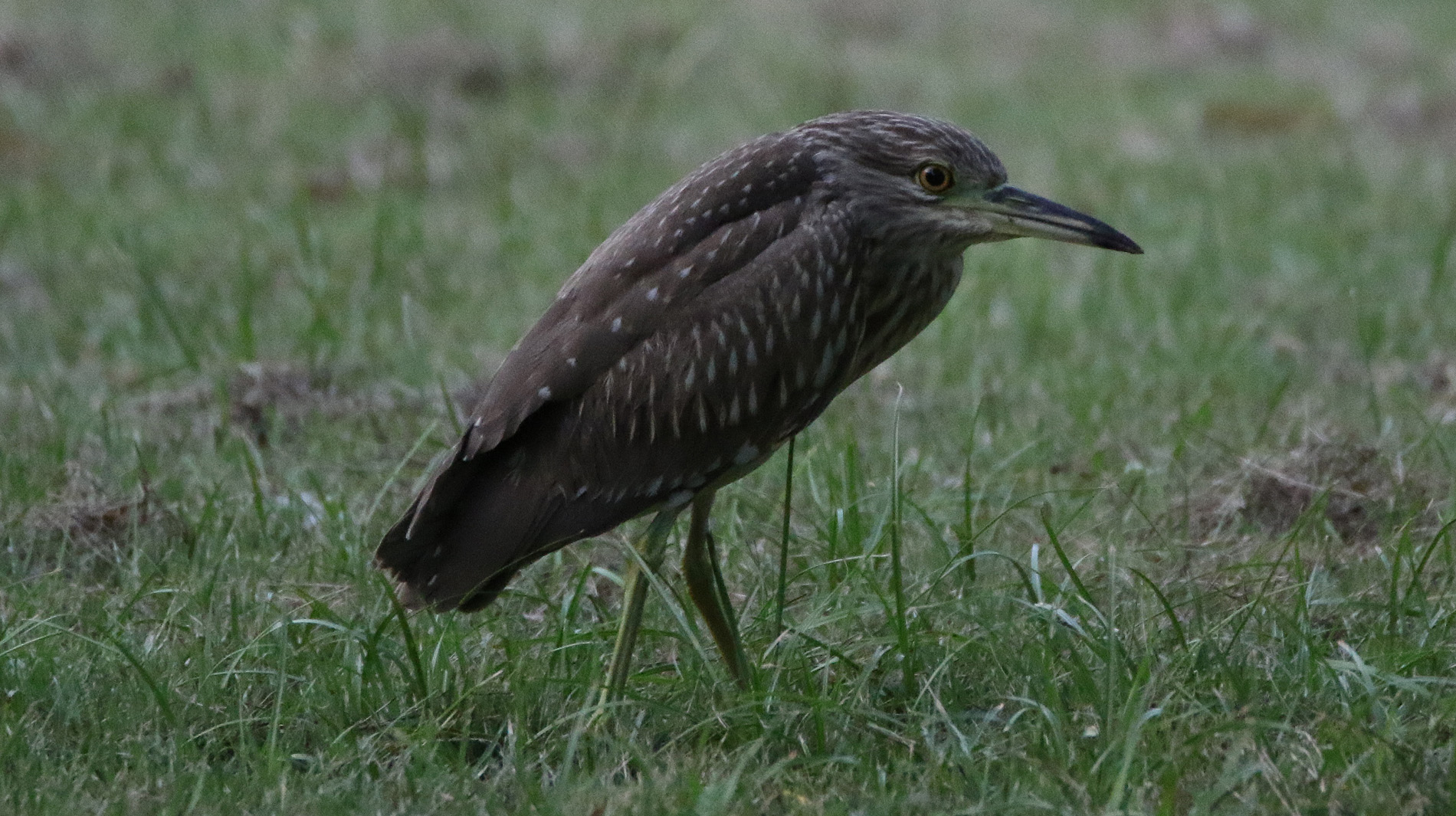
We cruised back across the lagoon’s clear shallow waters to West Island and after a quick visit to the supermarket we were off to Horsburgh and Direction Islands.  After lunch on Horsburgh Island we walked to the brackish wetlands and not surprisingly, things were rather quiet during the middle of the day, but we still found White Tern, CI White-eye, Pacific Black Duck, Common Greenshank and an unusual dark morph reef heron.

Half the group opted to swim and explore Direction Island while the rest of us snorkelled on the 100yr old wreck in the lagoon.  The Phaeton was the sister ship to the Cutty Sark and sank in the lagoon 100yrs ago coming to rest in less than 20ft of water.  Now it’s an artificial reef swarming with parrotfish, angelfish, butterfly fish, surgeonfish and thousands of other reef fish, making it one of the world’s best snorkelling locations. 

The weather was looking good for tomorrows trip to North Keeling.

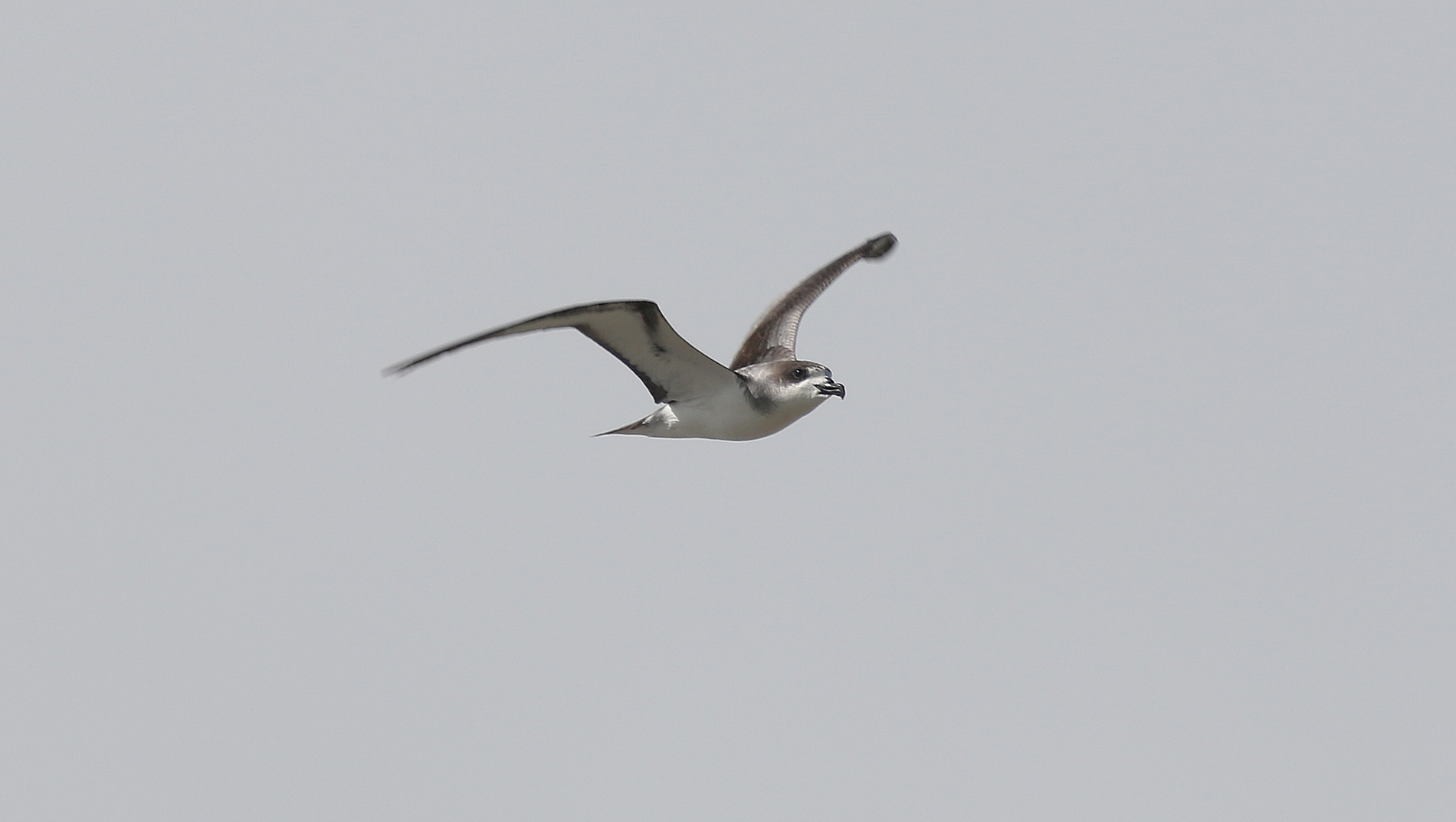
Day 10-  At 7.30am we boarded the MV R.J.Hawke and started the 24km ocean crossing to North Keeling Island.  Nth Keeling is one the world’s most remote and inaccessible islands. Very few tourists get to visit the island and all have to be escorted by Parks Australia staff.  The boat trip was highlighted by sightings of three BULWER’S PETRELS, with one coming close to boat and crossing the bow several times allowing excellent views for all on board.  As we approached the island we began to see huge wheeling groups of seabirds numbering in the thousands.  There were an estimated 70,000 Red-footed Boobies on the island alone!

After the mandatory boot wash in antiseptic and removal of any dirt/seeds etc from our clothes we were ready to head ashore.  A camera is a must on North Keeling with many species very approachable and many birds roosting only feet from the track.  We all had superb views of Lesser and Greater Frigatebird, Masked Booby, White Tern, noddies, tropicbirds and Sooty Terns.   The endemic sub species of Buff-banded Rail was numerous but difficult to photograph.
Our stay on the island lasted 4hours, during which time we walked through the Pisonia forest, around the lagoon, along the shoreline and through large strands of Argusia (Octopus Bush).  Many species seemed totally unperturbed and allowed close approach, with two Red-footed Boobies hitching a ride on an extended tripod leg, which was being carried at the time.  North Keeling is unquestionably one of Australia’s greatest birding/wildlife high lights.

On Wednesday night we took advantage of the late ferry and had a great meal at the local Malay restaurant on Home Island.

Green Junglefowl

Green Junglefowl


Day 11- Thursday turned out to be one of those incredible birding days that I’m sure all our group will remember forever, with four rarities located on one day.  Whilst the rest of our group searched for Lesser Noddy, Ian and Margaret conducted a recognisance trip to Bechet Besar swamp and located two PIN-TAILED SNIPE.  The rest of us soon arrived and all had good views of this very hard to see bird.

After breakfast we boarded the ferry for Home Island.  Our main objective was to search for the Dark-sided Flycatcher which was photographed on the Island by Neville Pamment three weeks earlier.  Although it had not been seen for three weeks, there were reports from locals that it was still present on another part of the island.

Ocean Beach North Keeling Island

Ocean Beach North Keeling Island

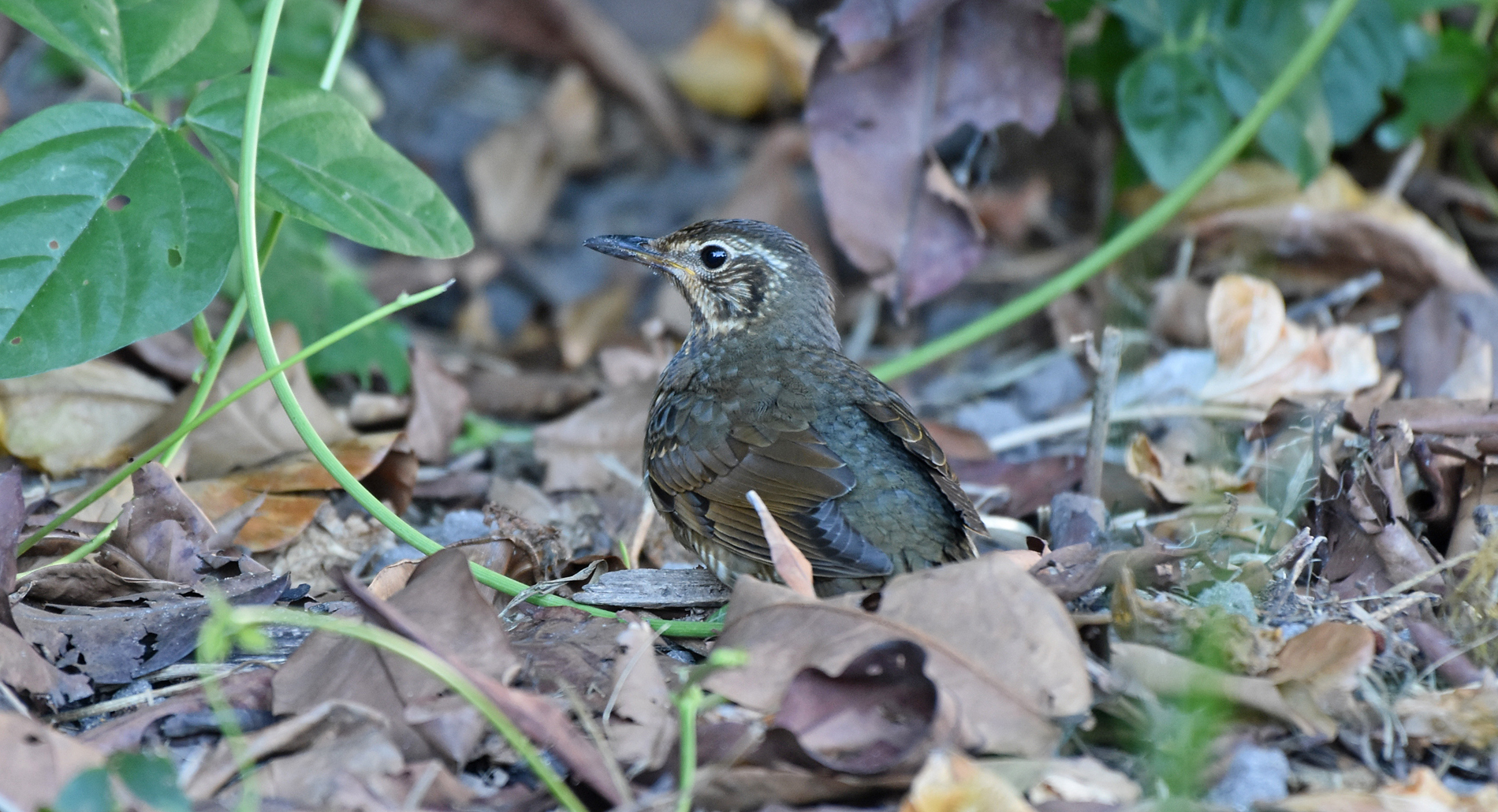
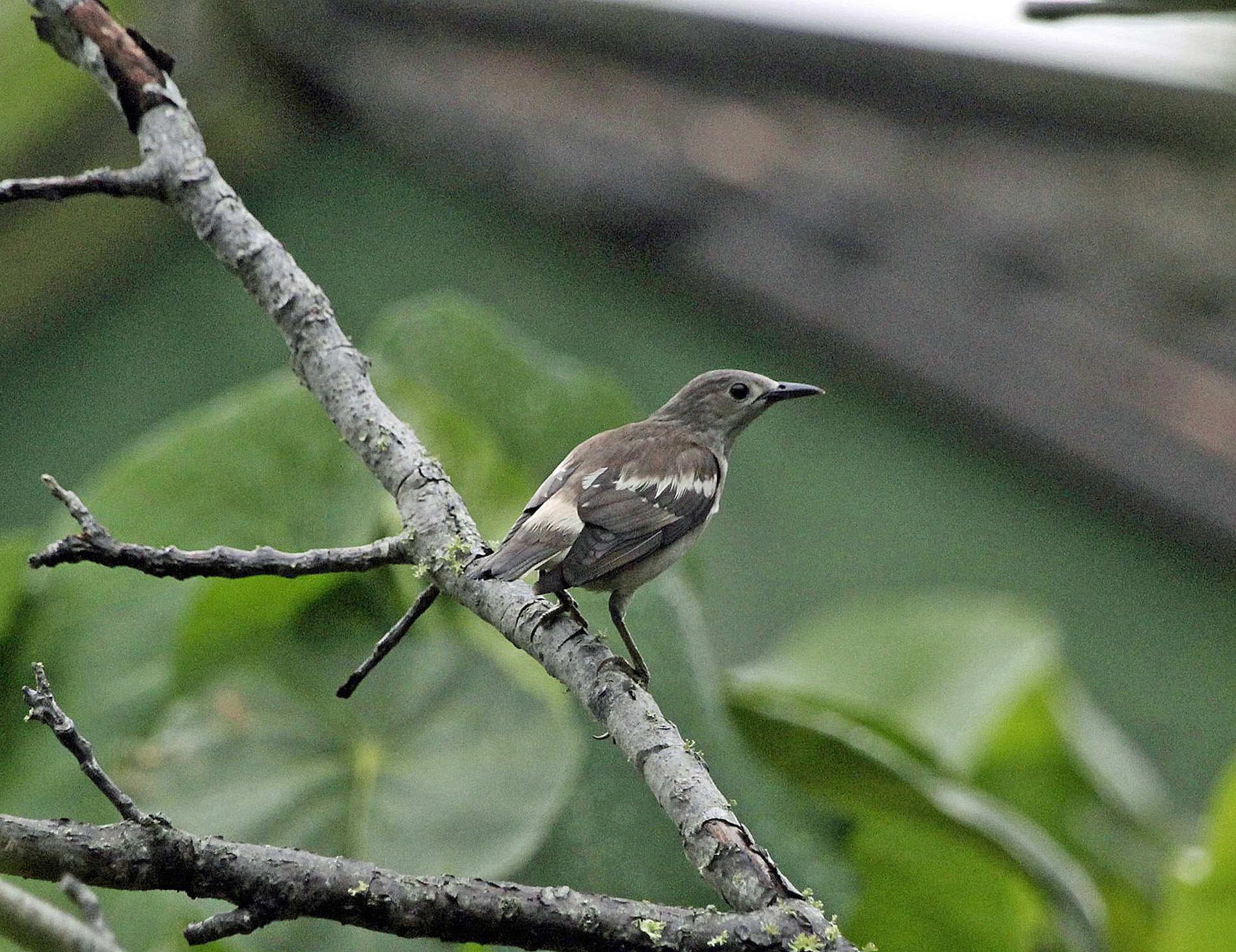
After landing we all walked to the Clunies-Ross Mansion and searched the grounds.  It was here that Laurie and Michael first sighted the ASIAN KOEL, skulking through the canopy foliage. A short time later as I was walking back across the island I noticed Shirley in the distance standing in the middle of the road waving frantically.  A sure sign that someone had found something interesting.  Geoff had been near the jetty and seen a thrush fly up off the ground onto an old anchor. Unfortunately only three people saw it before it flushed and when I arrived it couldn’t be relocated.  Luckily Geoff took an immediate photo of it.  A quick look at the photo on his camera revealed BLUE ROCK THRUSH!  An amazing find and only the second Australian record.  This bird was quickly elevated to the BIRD OF THE TRIP.

Over the next 2 hours all but one had seen the bird and we returned to West Island for a late afternoon search of the lagoon’s sand flats for Western Reef Egret.  We positioned ourselves at the northern end of the runway and after an hour or so of searching located two WESTERN REEF EGRETS. 

With an hour of daylight remaining some of us decided to finish the day on the beach watching the sun go down at one of the known sites for Lesser Noddy.  Although a nice end to the day, we failed to find any Lesser Noddy during any searches on this trip.  It will be interesting to see if they’re back on the islands in March 2009 as they were in March 2008.  At the end of the day we were a group of very happy birders and we toasted our success that evening with some nice food and a few cold ones, having had a very enjoyable and successful trip through these islands.

Day 12- Our flight to Perth didn’t depart till 1.30pm, which gave us plenty of time for a morning search of Home Island for the flycatcher and to show Laurie the thrush as he had missed it the day before, whilst showing others the Koel.  Amazingly, as we walked along the jetty, the Blue Rock Thrush flew across the water next to us and landed on a rock near the council office.  It had taken less than a minute to find it! 

The rest of the morning was spent looking for the flycatcher, with a local telling us he has seen it in the banana plantation that morning!  Despite a thorough search its presence on the island is still a mystery.

At 1.30pm we all departed West Island bound for home.  The Nov/Dec 2008 Christmas/Cocos tour this year was an absolutely incredible tour.  The combination of all the CI endemics, vast numbers of nesting/roosting seabirds, North Keeling and a fantastic list of rarities made sure we were not disappointed!

Direction Island, Cocos-keeling

Special Birds Seen:
ORIENTAL CUCKOO
WHITE-BREASTED WATERHEN
GREEN JUNGLEFOWL
BARN SWALLOW
SILVER-BACKED NEEDLETAIL
BULWER’S PETREL
SAUNDER’S TERN
WESTERN REEF EGRET
ASIAN KOEL
BLUE ROCK THRUSH

ALL THE CHRISTMAS ISLAND ENDEMICS.

Cheers
Richard Baxter
Birding Tours Australia
www.birdingtours.com.au

Trip Report

Australia’s Cocos-keeling Islands and Christmas Island Nov/Dec 2009

Birding Tours Australia – 30 Nov to 11 Dec 2009 (5 days Cocos & 7 days Christmas)

Leaders- Richard Baxter & Mick Roderick

We’re not long back from another successful birding and natural history trip to both islands.  I’m amazed when birders still ask me, ”Why do you bother going to Cocos?” This trip yet again answered that question with Cocos again winning the species count for the two islands.  At the end of our 12 days we had 35 species for Cocos compared to 29 species recorded for Christmas Island.  Cocos also, yet again produced the greatest number of rarities on tour with six verses four for Christmas Island. 

White-tailed Tropicbird (Golden morph)

White-tailed Tropicbird (Golden morph)


Cocos is no longer the birding backwater that it used to be.

After arriving on West Island, Cocos late Monday afternoon, we quickly dropped our bags in our rooms and headed for the local wetlands.  On the way, Green Junglefowl and WHITE-BREASTED WATERHEN were numerous on the roadsides and in failing light 3 BARN SWALLOWS and 20 Pacific Black Ducks were all that were visible.  We returned to our ocean front accommodation where we dined outside within a few meters of the Indian Ocean and surrounding coral reef.

Our first morning on the islands was spent at Bechet Besar wetlands in search of Australia’s newest species and within minutes of arriving we had 2 COMMON MOORHEN in the scope.  Birdlife on the wetlands was prolific and some of us were able to get close views of PIN-TAILED SNIPE feeding in the open and oblivious to our presence. 

A sensational mornings birding continued to improve when a GREY WAGTAIL flew into view and landed on a fallen coconut for all to see.  This bird stayed at the back of the wetlands and often fed with White-breasted waterhen.  During our four days on Cocos we counted three Grey Wagtails, all in the vicinity of Bechet Besar and Rumah Baru.

After lunch we all headed over to South Island in search of Saunder’s Tern and after a 20min wait and a short walk across the sandflats we located 13 SAUNDER’S TERN roosting on one of the last remaining sandbars yet to be covered by the rising tide. 

Wednesday morning was spent travelling across the lagoon to Horsburgh Island, where we walked a short distance to the island’s brackish wetlands.  Birds were thin on the ground, with highlights being 40 White Tern and 3 Lesser Frigatebirds.  After leaving the island we stopped for a snorkel on the Phaeton wreck, followed by lunch on the idyllic Direction Island.  Direction Island is your typical postcard tropical island, fringed with palm trees, white sand and surrounded by turquoise tropical water.  After lunch Geoff and Mick spent 45min drifting through the popular local snorkelling site known as The Rip, while the rest of us swam or rested in a hammock strung over the beach between two palm trees.

On the return trip back to West Island a small pod of Bottle-nosed Dolphins began to bow ride our rib and I quickly put my mask and flippers on and jumped over board in about 20m of clear water.  As I descended down to about 4-5 meters and began swimming towards them, two of them swam straight over towards me and cruised along beside me at arms lengths.   As I dolphin kicked along, three of us descended down to 8-10m and continued to swim side by side, occasionally looking each other in the eye but staying just out of arms reach.  The three of us eventually resurfaced again as a few more of us got into the water.  The dolphins stayed with us for about 10 minutes before departing.

We arrived home in time to change and catch the 4pm ferry to Home Island.  We walked the grounds of the Clunies Ross mansion and as the sun set, dined at the local Malay restaurant. 

Clunies Ross Mansion

Clunies Ross mansion


On Thursday the wind and swell continued to increase and our trip to North Keeling was cancelled.  We spent the day visiting other good birding sites on West Island, locating WESTERN REEF EGRET, Little Egret, Grey Plover, Oriental Pratincole and Dollarbird as well as an amazing count of 45 Barn Swallows.  In the late afternoon some of our group decided to stake out Bechet Besar wetlands and on dusk saw a JAVAN POND HERON fly in and perch on a palm frond, possibly one of the two birds that were on the wetlands in March and April earlier this year.  The following morning those that missed the pond heron the previous afternoon focused on the same site and were rewarded with sustained views of it again sitting on a palm front beside the lake.

During our stay on Cocos we often took the opportunity to sea watch where we  recorded Wedge-tailed Shearwater, Red-footed Booby, White Tern, Brown Booby and Common Noddy daily.  

Our total bird list for 4 days on Cocos was 35 species including an amazing SIX rarities.
(Common Moorhen, Javan Pond Heron, Saunder’s Tern, Grey Wagtail, Pin-tailed Snipe and Western Reef Egret)

I’m assuming that the Javan Pond Heron is one of the two birds that were there in March/April earlier this year and will hopefully be sticking around till I visit the islands again in early March 2010.  The two Common Moorhen also look like good candidates to spend all summer on the wetlands. 

On Friday afternoon we flew to Christmas Island where we spent an amazing week birding and enjoying the island’s natural history.  On arrival we recorded 14 Oriental Pratincole on the runway and quickly headed to the Chinese cemetery in search of an unusual wagtail reported earlier.  Although no wagtail was found, we had good views of Christmas Island Imperial Pigeon, Linchi Swiftlet, Island Thrush, Red-footed Booby, Christmas Island Frigatebird, Tree Sparrow, White-tailed Tropicbird and Christmas Island White-eye.

The follow morning we located a lone Eastern Yellow Wagtail at the cemetery followed by 8 Grey Wagtail at the rubbish tip and our first sightings of Abbott’s Booby.  A lone White-winged Tern was seen sitting on a buoy in Flying Fish Cove and our first Christmas Island Goshawk was located near the plantation.  To finish off the day we spotlighted Christmas Island Hawk Owl at the golf course, leaving only one CI specialty left to find.  We finished off the day celebrating Tom Wheller’s 700th bird at one of the local restaurants.

Great Frigatebird

Frigatebird


The following morning with only Java Sparrow left to find, Nigel Harland and I left the others and walked down to Flying Fish Cove.  At the information centre we saw one of the most incredible sites I’ve ever seen on the island, when we spied a Schrencks / Cinnamon type bittern standing near the top of the crane on the phosphate loader about 80m off the ground.  As we approached it flew while we were obscured by a building.  A subsequent two-day search of the area failed to find it.

The next morning we found Java Sparrow and photographed nesting Golden Bosunbird as well as finding another 9 Grey Wagtails in the rainforest.  Our total trip count for Grey Wagtail was 20 and we were careful not to count the same birds twice.  This is surely the highest number of this species ever seen in one location in Australia. 

It wasn’t long and we found our first new vagrant for the trip.  After leaving The Dales we found 2 ASIAN HOUSE MARTIN near the entrance to the detention centre.  Both birds provided us all with good photographic opportunities and stayed at the same location all week, eventually being joined by two more.

That afternoon we stopped briefly at LB3 when Tom yelled RED-COLLARED DOVE as it flew past our parked vehicles.  A short search of the nearby area soon relocated the bird with most seeing it sitting on a low branch.  Minutes later it flew directly towards us and just prior to going over our heads banked left and disappeared into the rainforest and not to be seen again.  We revisited the area several times during the next few days but never did relocate it.  Mick Roderick had found Australia’s 2nd Red-collared Dove on his previous visit to Christmas Island. Now with this new sighting, his trip nickname became, “Mick the Red-collared Dove Whisperer”.

On Tuesday afternoon we cruised the island’s northern coastline.  The sea cliffs were alive with nesting and roosting seabirds including Red-footed Booby, Brown Booby, Common Noddy, Red-tailed Tropicbirds and both morphs of White-tailed Tropicbird.  Hundreds of Great & Christmas Frigatebirds patrolled the skies overhead and we all kept a lookout for one of the several Whale Sharks that were in the vicinity waiting for the upcoming Red Crab spawning. We finished the cruise with a snorkel at West White Beach.

The following morning we started our early morning search for Asian Koel.  The area near VQ3 and the supermarket proved unproductive so we moved up to the George Fam centre and within minutes of arriving had ASIAN KOEL perched in a tree behind the buildings.   For the next twenty minutes we had good views through the scope prior to returning to our accommodation for breakfast.

That afternoon we drove to the airport at dusk to search for nightjars on the runway.  We stopped at the northern end of the runway and Mike Roderick soon had a SAVANNAH NIGHTJAR calling from the other side.  As we searched for the bird, a private charter flight took off and after it departed there was no sign of the nightjar.  Despite listening for another 30min we didn’t hear it again.

On Thursday afternoon Geoff Lane and I drove out to North West Point to check on the two Asian House Martins we’d seen earlier in the week. Upon arriving we found a Black-nest/Edible Nest type Swiftlet flying with the two martins.  Unfortunately it only hung around briefly and disappeared over the detention centre not to be seen again that day.  The bird was briefly seen high overhead with the four martins again on Friday morning but it was too high to be identified to species.

With a few days remaining we were all looking forward to the annual Red Crab spawning, which was timed to occur on Friday morning.  There were two film crews on the island preparing for the migration of millions of female Red Crabs to the coast to deposit their eggs in the sea and extra dive trips were scheduled to view the event from offshore.  Many of the island’s roads were now closed and we were lucky enough to get spots on a morning Red Crab and Whale Shark trip on Friday morning.

Red-footed Booby

Red-footed Booby


During the week we managed to cover all the island’s main birding spots and most of the islands tracks.  We visited The Dales, where we had good close views of giant Robber Crabs and the freshwater Blue Crab.  We drove to Winifred, Dolly and Lily Beaches, Margaret Knoll lookout and many of the island’s remote temples and mine sites.

On our final night we organised a relaxing BBQ around the pool where we planned for a hectic final day.   Our seventh day on the island can only be described as completely incredible.  Some of us went to Flying Fish Cove to view the crabs at first light, while the rest drove to Ethel Beach.  The spectacle at Ethel Beach was amazing with the forest, sea cliffs and beach carpeted in a sea of red as the crabs marched towards the water.

At 9.30am we met at the jetty for our Whale Shark snorkel trip and soon headed along the northern coastline in search of the world’s largest fish.  After a short time we stopped in the gin clear waters where a school of huge Giant Trevally had joined a lone 5ft Silky Shark swimming under the boat.  Further on we spotted a large flock of Red-footed and Brown Boobies diving into a school of bait fish about 1km offshore.  We headed over and watched this spectacle for 15 minutes as hundreds of boobies plunged into the ocean and large Yellow-finned Tuna leapt out of the water in pursuit of smaller fish.

As the feeding subsided, I spotted a Whale Shark cruising towards our boat.  Within minutes of the call we were all in the water swimming with a 4m Whale Shark.  This awesome experience was really only a precursor.  The best was yet to come.

We continued our cruise along the coast towards N/W Point and spotted a pod of Spinner Dolphins feeding only 20m off the cliffs.  Again we were quickly in the water swimming with the Dolphins and to our surprise lurking under the dolphins was a massive 8m Whale Shark.  This one was more co-operative and cruised the area for 15 minutes allowing all of us to get close views.  In clear water with 50m visibility we swam alongside and at times underneath the shark before it eventually descended out of view.

Robber Crab

Robber Crab


We cruised back into the cove a very, very happy group of birders and were within a couple of hours jetting back to Perth.

Our group ranged from twitchers who had seen over 700 species in Australia to far less fanatical birders who just wanted to experience the island’s natural history. The trip broke all my records for rarities recorded on a single trip.  At the end of the twelve days we’d seen an amazing 10 rarities from both island groups and all of us saw new birds.  Incredibly, Nigel Harland who was on his third visit to the islands also saw five new birds. 

I’ll be running the same ‘Red Crab Migration Birding Trip’ in 2010 from the 27/11 to 11/12/10 and again in 2011.

Our other annual nature trip to both Christmas Island and Cocos-keeling Islands is our ‘End of Wet Season Trip’ each March.


Cheers
Richard Baxter
Birding Tours Australia
Richard@birdingtours.com.au

Trip Report

Christmas Island and Cocos-keeling Islands

Birding Tours Australia, Nov-Dec 2010

From the 27 November 2010 to 11 December 2010, twelve birders and natural history enthusiasts spent seven days on Australia’s Christmas Island, followed by seven days on the Cocos-keeling Islands. The trip was conducted by Birding Tours Australia and led by Richard Baxter. This was the first of the new 14 day trips, commencing and concluding on Saturday. Both March and Nov/Dec 2011 trips are of the same duration.

This year’s trip was exceptional, with an unprecedented number of vagrant and rare birds sighted. The total number of rarities seen was TWENTY THREE, which far exceeded any previous trip to the islands. A number of environmental factors have contributed to this influx of unusual species to both islands and these include the early and continual weather systems travelling down from South East Asia as well as the eruption of the nearby Mount Merapi Volcano and subsequent cloud of ash. Cyclone Anggrek passed close to Cocos in early November and both islands have experienced a greater than usual number of days with northerly winds.

After arriving on Christmas Island mid afternoon and checking into our accommodation we took at short stroll through the nearby streets where we had our first views of Island Thrush, Christmas Island White-eye, Christmas Island Imperial Pigeon, Linchi Swiftlet and distant views of Variable Goshawk. After the flight from Perth the icing on the cake at the end of the day was a male ASIAN KOEL which flew across the road and landed on a nearby dead branch. Shortly afterwards it was joined by a female and we had both birds sitting in the same tree together, before we returned to our motel. The Asian Koel was the first of what would become an exceptional list of vagrants over the next fortnight.

Grey Wagtail

Grey Wagtail

Flying Fish Cove Reef

Flying Fish Cove Reef


Christmas Island Imperial Pigeon

Christmas Island Imperial Pigeon

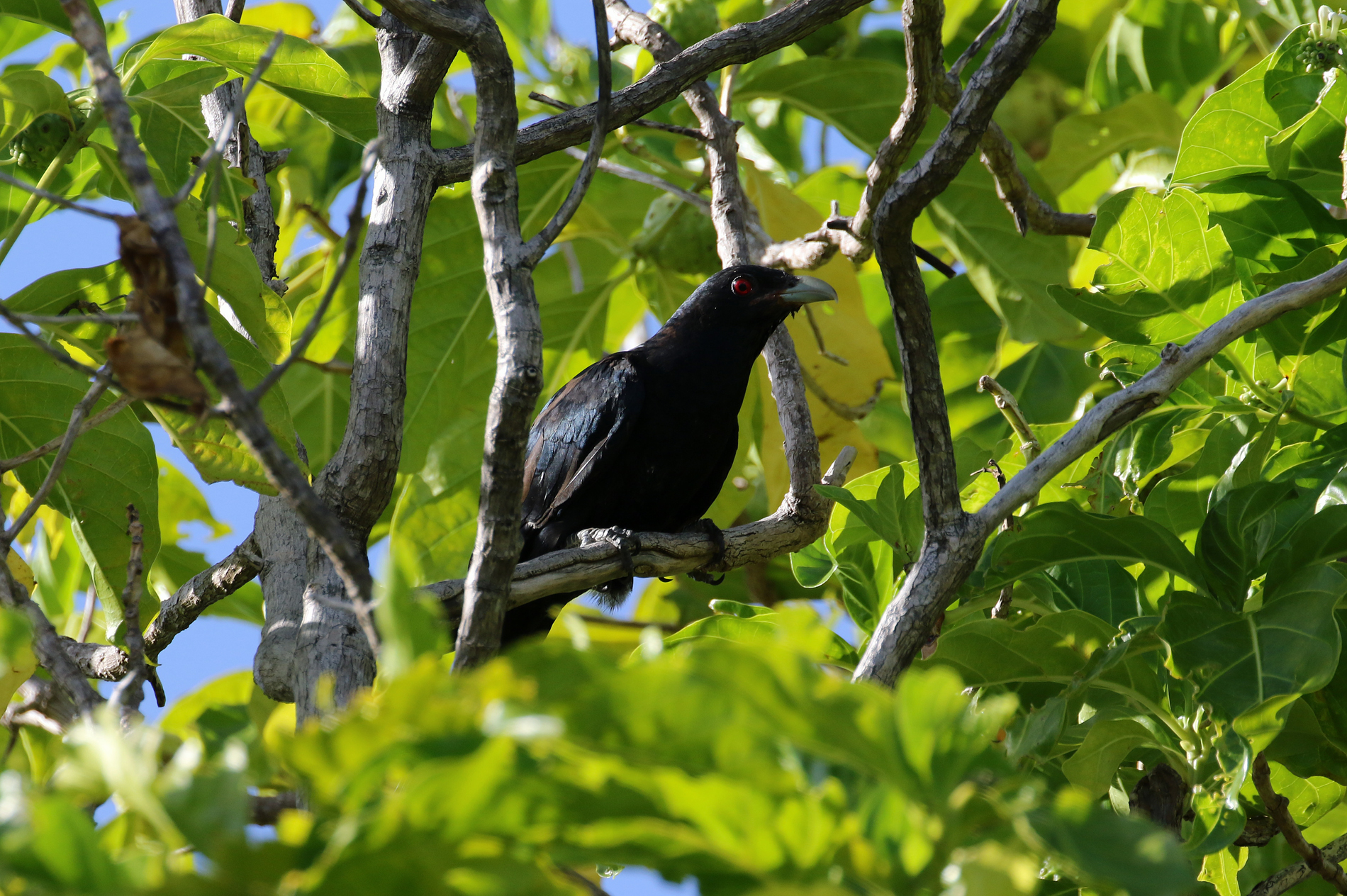
Asian Koel

Asian Koel


Day two started with a trip to the rubbish tip, which is a reliable location for GREY WAGTAIL and we soon found four with a lone EASTERN YELLOW WAGTAIL as well as 3 X WHITE-BREASTED WATERHEN and a single Wood Sandpiper. During the day there was the ever present white and golden morph White-tailed Tropicbirds soaring above as well as Red-tailed Tropicbirds along the cliffs near our accommodation. An afternoon stop at LB3 wetlands produced Oriental Pratincole, Common Greenshank and Sharp-tailed Sandpiper. On our final afternoon stop we were rewarded with 3 X Oriental Cuckoo, one of which was the rufous hepatic form.

Schrenck’s Bittern

Schrenck’s Bittern

Ethel Beach Migration

Ethel Beach Migration


Tuesday morning was our earliest start of the trip as we made our way to Ethel Beach for the annual Red Crab march/spawning. Upon arriving we were greeted with the small beach blanketed with thousands of female Red Crabs marching their way to the water to deposit their eggs. After hundreds of photos were taken of this amazing wildlife spectacle we walked back to our vehicles with the sun rising in the east and scores of Red-footed Boobies and Christmas Island and Great Frigatebirds waking up and heading out to sea.

The Red Crab spawning was an appropriate prelude to what would become an amazing days birding. After breakfast we decided to drive the Greta Beach track and located Red Junglefowl as well as several of the island’s local sub-species of Emerald Dove but the highlight was a SCHRENCK’S BITTERN standing next to a puddle in the middle of the track. We obtained some excellent photos of what was Australia’s first live record of this species. After lunch we received word from Lisa Preston of some swifts/martins near the airport. We quickly made our way up there and located 4 X Fork-tailed Swifts, a MOSSY-NEST SWIFTLET and 10 X ASIAN HOUSE MARTINS as well as a Peregrine Falcon.

Asian House Martin

Asian House Martin

Lilly Beach Coastline

Lilly Beach Coastline


The following morning we located 5 X Java Sparrow and then drove the length of the airport runway finding 31 X Pacific Golden Plover, 1 X Lesser Sand Plover, 1 X Bartailed Godwit and 5 X Oriental Pratincole. On our afternoon drive out to North West Point we enjoyed nice scope views of a young Abbott’s Booby, which was soon joined by an adult. As we watched the Abbott’s Booby, two Asian House Martins cruised overhead. The following day produced our thirteenth Asian House Martin of the trip and Striated Heron race javonicus from South East Asia. That night after dinner we went spotlighting and had excellent close views of 2 X Christmas Island Hawk Owls perched side by side in a large Frangipani Tree, a fantastic way to end the days birding.

The afternoon of our last full day on the island was spent on board one of the local dive charter boats surveying the coastline for seabirds and snorkelling on the island’s fringing coral reef. From the boat we saw, Common Noddy, Brown Booby, Christmas Island Frigatebird as well as Red-footed Booby. As we travelled along under the island’s highest sea cliffs at Steep Point we sighted a pod of Spinner Dolphins. As they raced over to bow-ride our boat we raced to don our snorkelling gear and we were soon in the water swimming with ten dolphins as our boat circled us with the dolphins continuing to ride the bow wave. Swimming with Spinner Dolphins was one of the week’s many natural history highlights.

Spinner Dolphins

Spinner Dolphins


Our first week on Christmas Island coinciding with the Red Crab migration soon came to end. It was a very successful week with seven vagrants/rarities sighted and good views of all the local resident species.

Everyone would have been happy to see the above birds by the end of the two weeks but we still had seven days on Cocos to go. The birding during the preceding week was excellent and the list of vagrants outstanding. This would change on Cocos where the birding during the week ahead could only be described as utterly crazy.


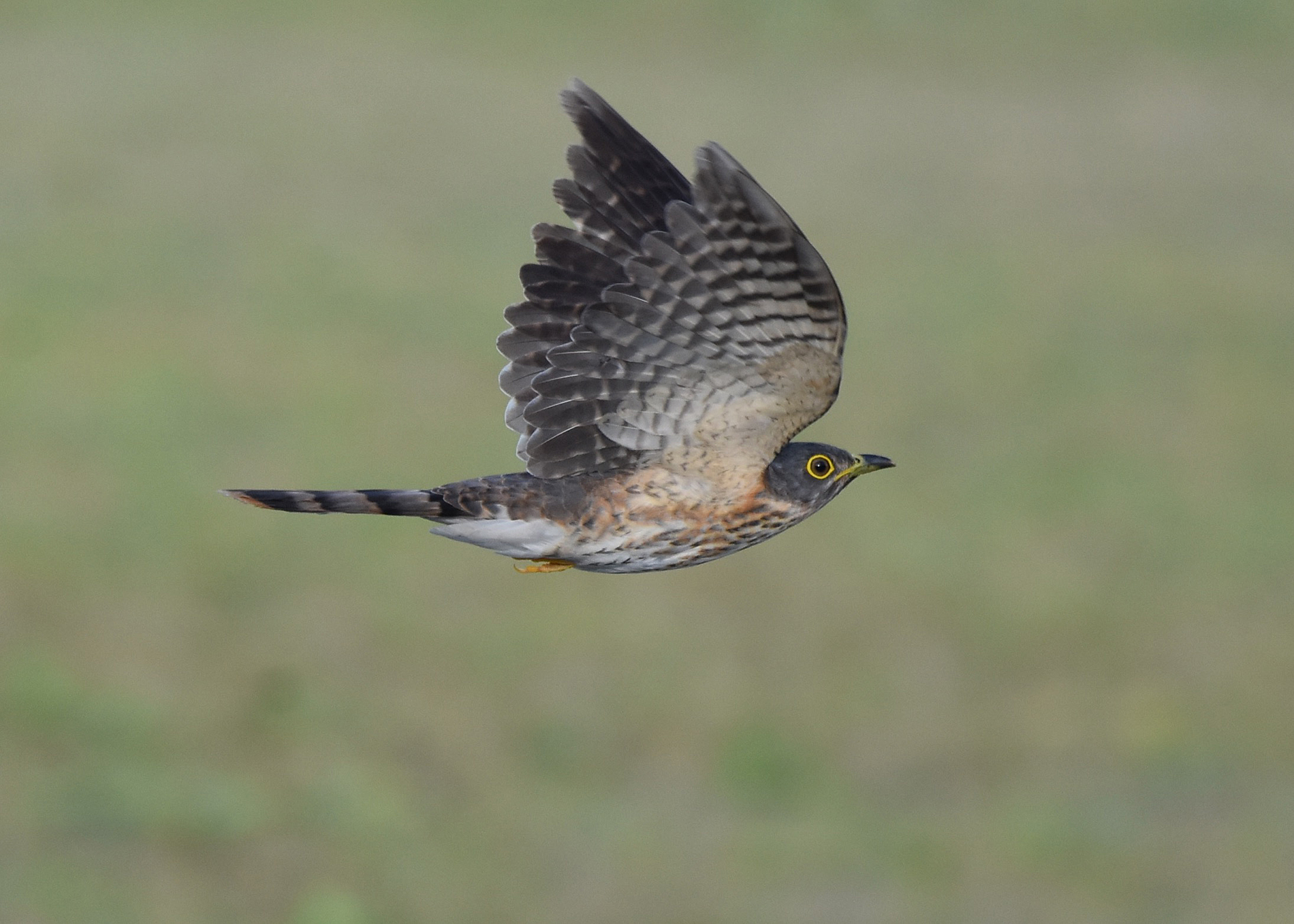
A short drive on our first afternoon produced over thirty White-breasted Waterhen and even more GREEN JUNGLEFOWL. The following morning we started the day at the local wetlands and within minutes of entering found Australia’s second ever recorded LARGE HAWK CUCKOO chasing a White-phase Eastern Reef Egret along the water’s edge before landing amongst the surrounding coconut palms. It intermittently flew out across the water over the next hour affording everyone reasonable views. A couple of ID photos were taken. Whilst we scanned the water’s edge, two small accipiters flew over, one of which landed on a palm frond. We quickly took a few photos, perched and in flight and later identified it as Australia’s first CHINESE GOSHAWK. The other raptor would remain unidentified for a further four days.

Large Hawk Cuckoo

Large Hawk Cuckoo

Chinese Goshawk

Chinese Goshawk


After lunch we located our first Barn Swallow of the trip and had closer views of WESTERN REEF EGRET feeding on the low tide sandflats that fringe the inner lagoon adjacent to West Island. Our afternoon expedition was to South Island where we quickly found 11 X SAUNDER’S TERN resting on a sandbank with both Lesser and Greater Sandplover, Sanderling, Ruddy Turnstone, LITTLE STINT and a single Grey Plover. After returning from our lagoon crossing to South Island, we stopped at a disused quarry near the southern end of the runway. The quarry was full of water and not long after we arrived we flushed a Striated Heron. Whilst searching for the heron we flushed a YELLOW BITTERN from the water’s edge. It landed on top of the nearby Octopus Bush and we managed a few quick photos. Our group waited while it made its way back to the water’s edge, where it remained for another twenty minutes allowing a hundred or so photos to be taken.

The following day we caught the early ferry to Home Island and walked the grounds of the Clunies-Ross Mansion. During our brief visit we had frustrating and brief views of a hobby and a possible Oriental Cuckoo. A Eurasian Hobby was seen on the nearby Horsburgh Island only two days prior and we suspected it to be this species. The remainder of the day was spent walking to the northern end of South Island where we were met by Ash and Kylie James with five motorised outrigger canoes and two eskies full of refreshments. After a swim in the warm lagoon waters we enjoyed a canoe ride across the lagoon with an astonishing sunset to finish our long day.

Saunder’s Tern – South Island Cocos

Saunder’s Tern – South Island Cocos


Tuesday morning we visited Horsburgh Island, Direction Island and snorkelled the Phaeton Wreck which is sitting in the lagoon’s clear, shallow waters near Direction Island. Not long after starting our boat trip, a huge Manta Ray was spotted cruising close to the boat. Within seconds I had my snorkel gear on and was swimming along next to the huge ray. We managed to arrive back on West Island with a couple of hours daylight remaining and opted to search the end of the runway for the Watercock sighted there five days previously. Although there was no sign of the Watercock we did manage to flush at least 10 PIN-TAILED SNIPE. Our final stop of the day was back to the quarry where we had previously seen Yellow Bittern. A good decision, although there was no sign of the bittern we all had close views of PECTORAL SANDPIPER.

Yellow Bittern

Yellow Bittern

Pectoral Sandpiper

Pectoral Sandpiper


We’d been watching the ocean conditions all week in anticipation of our Wednesday trip to North Keeling Island. An early morning check of the swell hitting the island’s outer reef provided good news. We were off to North Keeling for the day. The one hour crossing was smooth and easy with nice views of the local seabirds including two large feeding flocks. Three Wedge-tailed Shearwaters were the first of the trip and a Golden Morph White-tailed Tropicbird proved to be an interesting find. This bird was possibly the first record of this morph for Cocos.

We all went ashore and walked the inner lagoon for 3-4 hours before arriving on the far side of the island where we lunched on one of Australia’s remotest beaches. As we ate our lunch Masked Booby patrolled the skies overhead and Red-footed Booby and Lesser Frigatebirds numbered in their thousands. White Tern, Common Noddy, Whitetailed Tropicbird, Sooty Tern and Brown Booby were also seen cruising over the island. We visited the shoreline of the inner lagoon where we located and photographed a solitary COMMON REDSHANK with four Common Greenshank.

Common Redshank with Common Greenshank on North Keeling
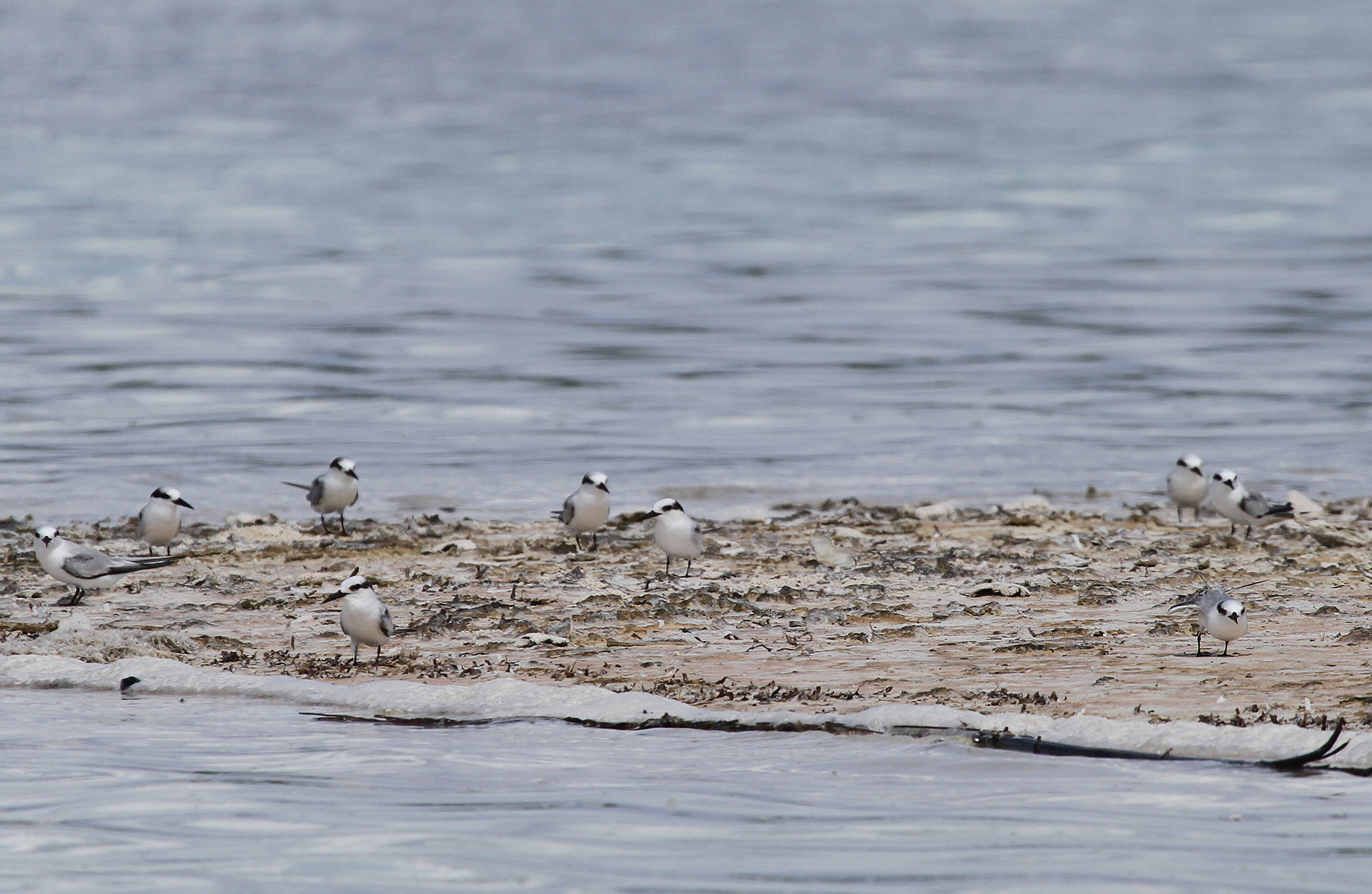
Common Redshank with Common Greenshank on North Keeling
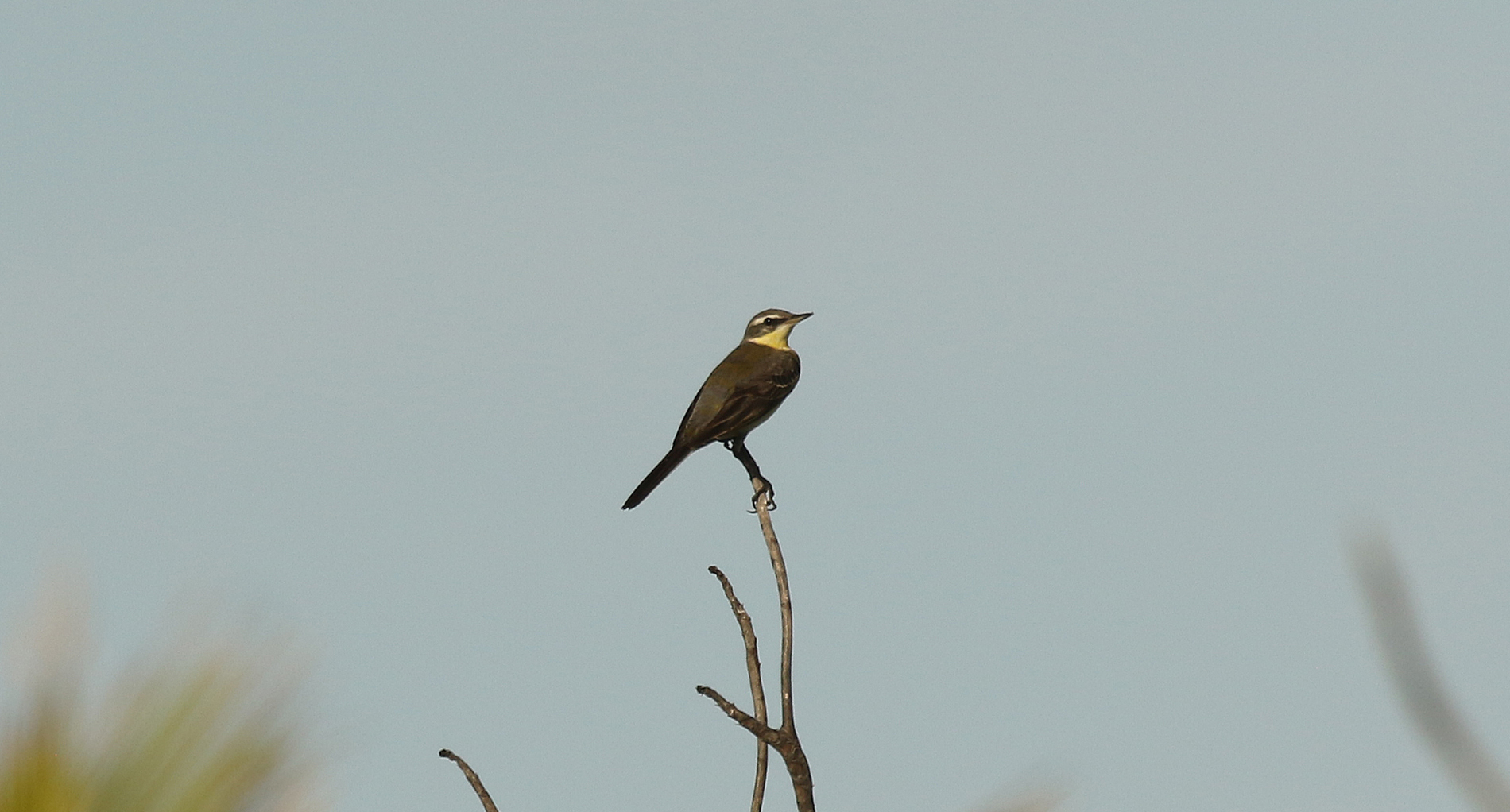

Our return trip back from North Keeling proved fruitful as three BULWER’S PETRELS cruised past the boat and a lone JOUANIN’S PETREL completed the closest approach of the day providing those on the top deck with nice views of this elusive species.

Our fifth day on Cocos was spent on Home Island and it turned out to be one of the most exciting days of the trip. We walked straight to the grounds of the Clunies-Ross Mansion and again had frustrating views of a very elusive hobby. On the edge of the water near the mansion we saw a medium sized bird fly into the back of one of the large calophyllum trees that line the grounds. Ross Mulholland and I had good looks at an unusual cuckoo with a large eye. Before I could focus my camera, it was off. Our attempts to locate it were futile but we possibly saw it a few more times flying between large trees in the garden. We later identified it as Australia’s first HODGSON’S HAWK CUCKOO. This species has recently been split into four and further research will need to be done to determine if the bird was Northern Hawk Cuckoo Cuculus hyperythrus or Hodgson’s Hawk Cuckoo Cuculus nisicolor. Both species migrate from China, Russia etc to Indonesia.

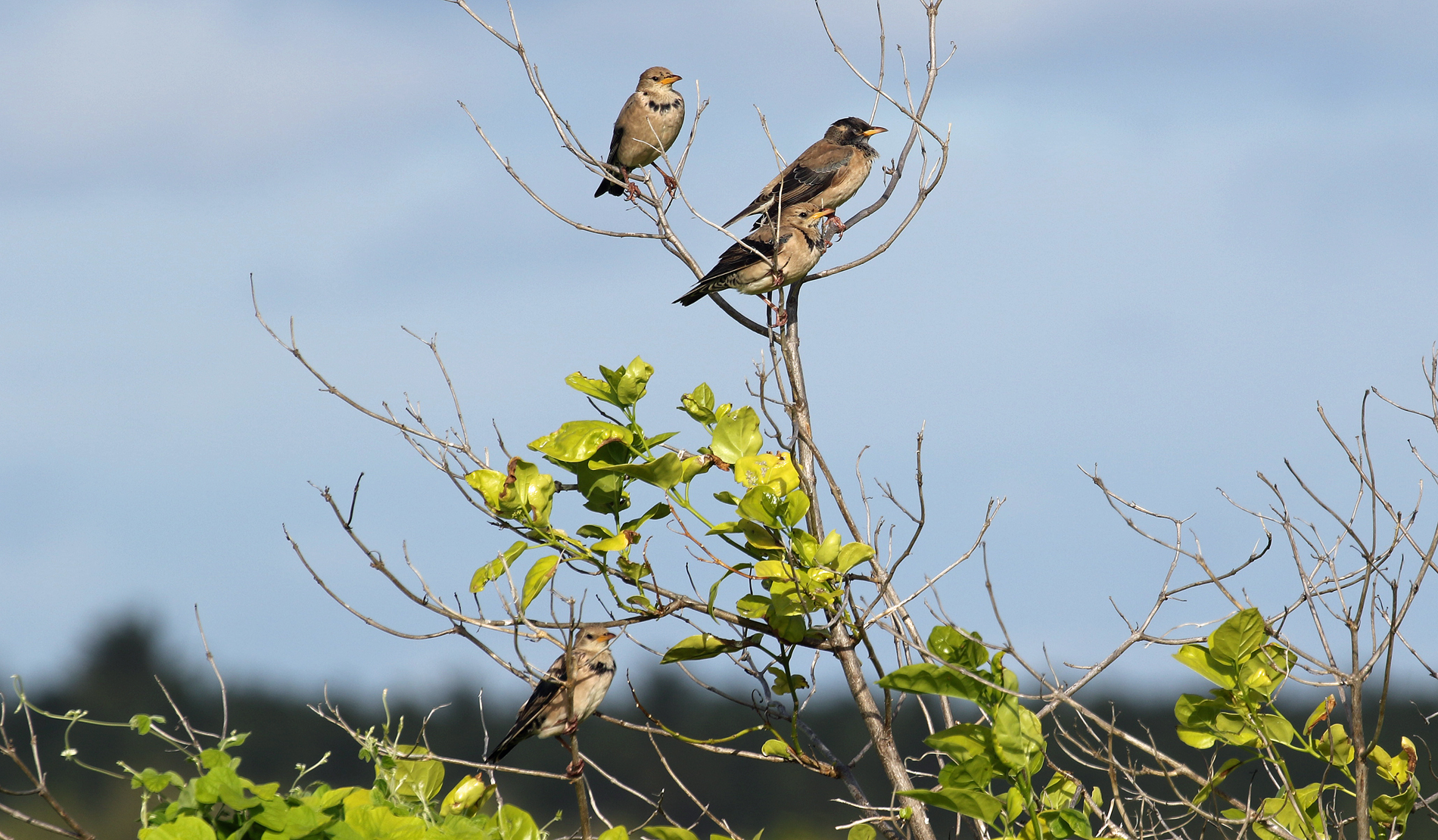
As we continued south along the island’s coastline a passerine landed on top of a dead tree in the distance. A quick look through the scope revealed a possible Purple-backed Starling. It was still 250m away and we all quickly made our way closer. It wasn’t long before we all had nice views of Australia’s second ever PURPLE-BACKED STARLING. Our inconceivable run of vagrants was continuing and the best was still yet to come!!

Piebald Eastern Reef Egret

Piebald Eastern Reef Egret

Purple-backed Starling

Purple-backed Starling


Japanese Sparrowhawk

Japanese Sparrowhawk

Common Teal

Common Teal


Half an hour later Jenny Spry and Lorna Mee flushed a male and female WATERCOCK from near the banana plantation. We unsuccessfully searched the area for another hour, eventually abandoning our search to continue further around the island. Later that afternoon, as our ferry departure time approached, we again entered the banana plantation and within seconds a female Watercock darted across the road only 10m in front of us. Amazingly, seconds later the jet black male followed. We boarded the ferry back to West Island a very happy group of birders.

On our last day was spent on West Island we decided to do a predawn survey of the wetlands. Not long after arriving three small accipiters began cruising the area. We immediately recognised our Chinese Goshawk from earlier in the week. We had good views and took several photos of the other two birds, both of which were Australia’s first ever JAPANESE SPARROWHAWKS.

In the morning light as Jenny peered through the scope across the water, she said, “I’ve got an unusual duck over here” Unbelievable! Australia’s first COMMON TEAL. Several photos were taken as everyone else arrived to see this remarkable find. Later in the day we found our fourteenth Asian House Martin of the trip and well as a lone Dollarbird.

Birds are continuing to arrive on both islands and this coming summer is an excellent time to visit the islands. Our March 5th – 19th trip is looking like being one of the most exciting we’ve ever done with many of the birds seen on this trip expected to hang around until the end of summer. There are still a couple of vacancies available.

Rarities seen on this trip.

  1. Asian Koel
  2. Grey Wagtail
  3. Eastern Yellow Wagtail
  4. Schrenck’s Bittern (2nd Australian record)
  5. White-breasted Waterhen
  6. Mossy-nest Swiftlet (2nd Australian record)
  7. Asian House Martin
  8. Large Hawk Cuckoo (2nd Australian record)
  9. Chinese Goshawk (1st Australian record)
  10. Western Reef Egret
  11. Saunder’s Tern
  12. Yellow Bittern
  13. Little Stint
  14. Pin-tailed Snipe
  15. Pectoral Sandpiper
  16. Common Redshank
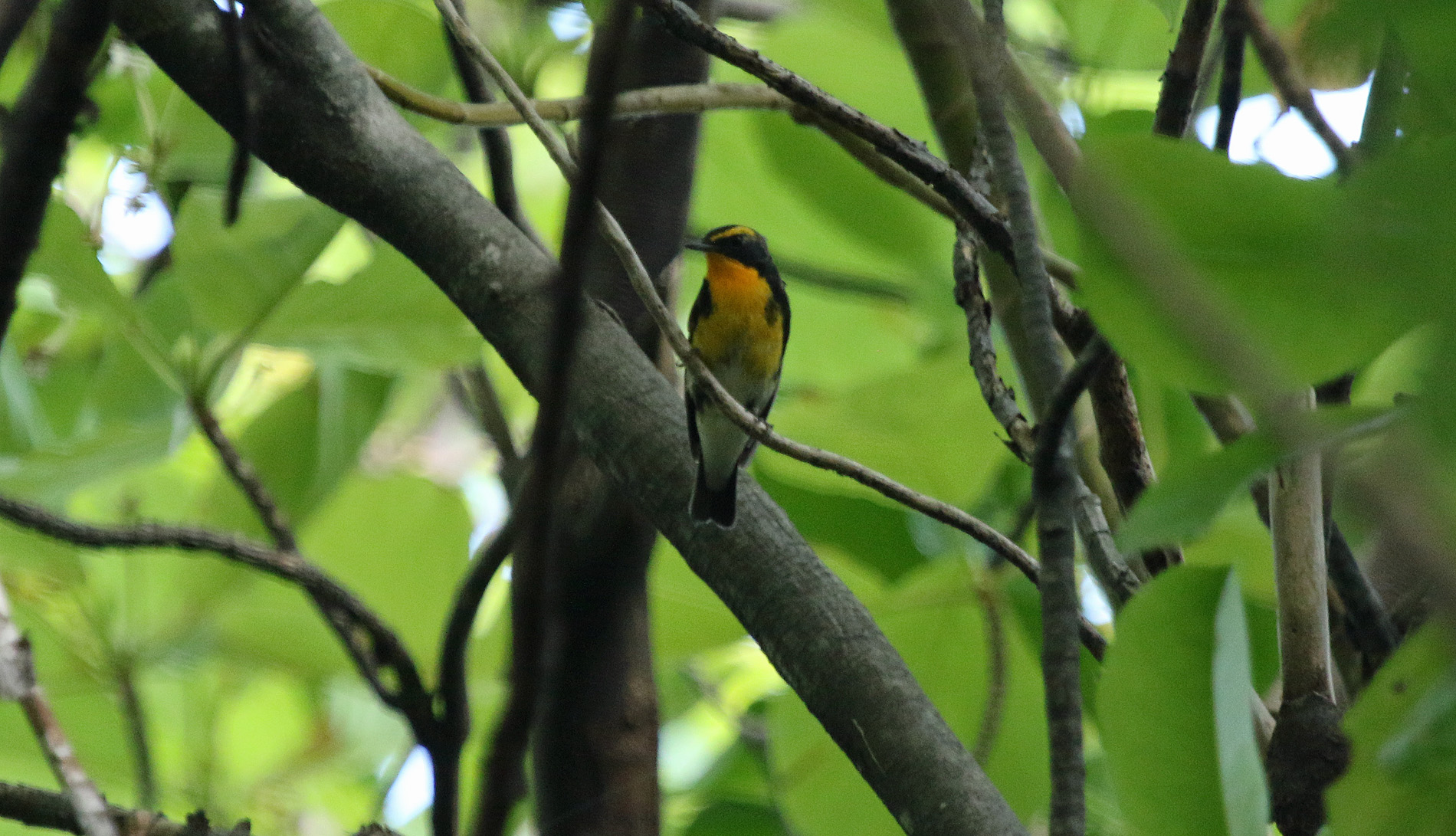
  17. Bulwer’s Petrel
  18. Jouanin’s Petrel
  19. Hodgson’s (Northern) Hawk Cuckoo (1st Australian record)
  20. Purple-backed Starling (2nd Australian record)
  21. Watercock
  22. Japanese Sparrowhawk (1st Australian record)
  23. Common Teal (1st Australian record)

Cheers
Richard Baxter
Birding Tours Australia
Richard@birdingtours.com.au

Cocos-Keeling Islands

  • About
  • March 2007
  • March 2011
  • Nov/Dec 2011
  • Previous Trip Reports

cocos island

We have seen:
  • Chinese Pond Heron
  • Saunders Tern
  • Western Reef Egret
  • Asian House Martin
  • Eastern Yellow Wagtail (macronyx)
  • Blue & White Flycatcher
  • Pin-tailed Snipe
  • Lesser Noddy
  • Blue Rock Thrush
  • Asian Koel
  • Green Junglefowl
  • White-breasted Waterhen
  • Matsudaira’s Storm Petrel
  • Bulwer’s Petrel
  • Common Moorhen
  • Grey Wagtail
  • Javan Pond Heron
  • Western Yellow Wagtail (thunbergi)
  • Jouanin's Petrel
  • Large Hawk Cuckoo
  • Hodgson's Hawk Cuckoo
  • Japanese Sparrowhawk
  • Chinese Sparrowhawk
  • Eurasian Teal
  • Yellow Bittern
  • Purple-backed Starling

Other birds seen on Cocos include:

  • Nankeen Night Heron
  • White Tern
  • CI White-eye
  • Red-footed Booby
  • Masked Booby
  • Brown Booby
  • Lesser Frigatebird
  • Greater Frigatebird
  • Wedge-tailed Shearwater
  • Pacific Golden Plover
  • Whimbrel
  • Buff-banded Rail (North Keeling ssp)
  • Oriental Pratincole
  • Red-tailed Tropicbird
  • White-tailed Tropicbird
  • Grey Plover
  • Lesser Sand Plover
  • Greater Sand Plover
  • Little Curlew
  • Sanderling
  • Sooty Tern
  • White-winged Black Tern
  • Oriental Cuckoo
  • Dollarbird

Situated ten kilometres closer to Perth than to Sri Lanka, the Cocos (Keeling) Islands were once thought to lack Avian species diversity. A pristine lagoon encircled by tiny coral atolls, Richard Baxter of Birding Tours Australia has rediscovered this island paradise as a key location for encounters of rare vagrant species.

We start our time on Cocos with a quick after look around West Island.  White-breasted Waterhen is now common, as is Green Junglefowl.  Cocos is now the only place in Australia where both of these species can easily be seen.  We dine within meters of the Indian Ocean and prepare for a full week of birding ahead. 

Over the next week we’ll travel in motorised outrigger canoes to South Island to see Saunder’s Tern and the area’s main wader habitat.  We’ll travel across the lagoon with Geof to Horsburgh Island and investigate the islands wetland, before a refreshing snorkel on a 100yr old shipwreck.

A ferry ride across the lagoon to Home Island and a stroll around the grounds of the Clunies-Ross Mansion fills in another day.  The Mansion grounds provide excellent birding, where Asian Koel can sometimes be seen.  Birds can turn up anywhere on Home Island as was witnessed in 2009 when we located a Blue Rock Thrush next to the island’s main jetty.

We visit several areas of good habitat on West Island, including Bechat Besar wetlands where Pin-tailed Snipe probe the mud for invertebrates.  Large numbers of White Terns spend their days patrolling the island and its shallow waters for food while Lesser Frigatebirds cruise past overhead.  Grey Wagtails sometimes feed along the forest tracks and we’ve seen Javan Pond Heron, Eastern Yellow Wagtail, Asian House Martin, Common Moorhen, Chinese Pond Heron and Western Yellow Wagtail all on West Island.

Western Reef Egret are found feeding on the lagoon’s low tide sand flats and breeding plumaged Oriental Pratincole frequent the adjacent runway.

If weather permits we travel to North Keeling during our visit.  Travelling to and from the island we’ve seen Bulwer’s Petrel, Matsudaira’s Storm Petrel, Red-footed Booby, Common Noddy, Brown Booby and White-tailed Tropicbird.  Tropical Shearwater was recently discovered on North Keeling and on future trips to NK it will be our main target species. 

In 2010 we discovered a new remote area of South Island with extensive wader/tern habitat which we’re keen to revisit in coming years.  This area has tremendous potential and we’ve now included it in all our future Cocos visits.


Trip Report

Cocos (Keeling) and Christmas Island March 2007

In March 2007 I organised and led two (back to back) tours to the Cocos (Keeling) Islands and to Christmas Island, both Australian territories in the Indian Ocean.  We enjoyed a tremendously successful birding trip, with no less than SEVEN rare vagrants seen.

Oriental Pratincole


After departing Perth we arrived on West Island (Cocos) and late afternoon on our first day we headed off for a quick scout around the island before dinner and soon we all had good views of WHITE-BREASTED WATERHEN, which is now far easier to see on Cocos than on Christmas Island where the out of control feral cat population has decimated their numbers.

The following day we began to see WESTERN REEF EGRETS Egretta gularis schistacea in all morphs, dark, white, intermediate and piebald.  Their normal range extends from Africa across to Sri Lanka, the Maldives and India so it’s not all that surprising that they have colonized the Cocos (Keeling) group of islands. 

During the week we visited six islands in the atoll and had good views of many of the more common species such as Green Junglefowl, Christmas Island White-eye, Red-footed and Brown Booby, White Tern, Lesser and Greater Frigatebird, Red-tailed and White-tailed Tropicbirds as well as the local subspecies of Buff-banded Rail.  Good views were had of Barn Swallows around the Quarantine Station and up to four breeding plumage Oriental Pratincole on the runway.

On our first visit to Christmas Island we had seen all the endemics in less than 24hrs of arriving and spent the remaining days searching for vagrants.  On our second last day we rushed to the airport after receiving news of two ASIAN HOUSE MARTINS circling the hangers.  The ten of us spread out and scanned the skies but no AHM’s could be found.  One of our group saw some distant birds at the northern end of the runway so we jumped in our cars and raced to the location.  Unfortunately they disappeared from view with only three people seeing them.

On the 4 March 07 we spotlighted the airport from near the carpark and I had good views of SAVANNAH NIGHTJAR as it circled and called directly overhead.  This proved to be one of the most frustrating birds of the trip.  After it flew in the first time it then refused to come anywhere near our cars for the next three nights, preferring to fly up and down the dark runway calling for hours but unable to be seen. It was heard for the next three nights but seen only once on that first night.

Back on Cocos we bought supplies and readied our gear for the return trip to South Island in search of Saunder’s Terns.  The 3km trip over shallow reef and sandbanks can only be undertaken in a flat bottom boat at high tide.  After arriving, we left our boat on the point and retrieved our bins, scope, cameras etc and began the walk to their high tide roost.  After a short distance we turned the corner and amazingly the first bird we all saw was a full breeding plumaged SAUNDER’S TERN plunge feeding in the shallows 20m from shore.  After a minute or so of celebratory cheers, hugs and hi-fives we crept up on what became 6 terns feeding and roosting on the sandflats.  I managed several flight photos but our visit lasted only 10 minutes as a huge storm approached from the south and was going to dump on us any second.  Dick Jenkin and I decided to walk and swim back to West Island while the others went by boat.  The return trip was even more eventful as the boat filled with rainwater and the group had to bail most of the way back.

The following day our group was walking around the farm on West Island when we spotted a lone adult ASIAN HOUSE MARTIN circling the open areas and nearby palm trees.  This time we all had outstanding views as it came within several meters of most of our group, resulting in several great photos.

Java Finch


On the following day we flew back to Christmas Island.  While we had enjoyed good birding weather on Cocos, Christmas Island (900km away) had been battered by Cyclone Jacob during the preceding week.   We arrived on what was a completely different Island to that I had been on only a week prior.  Thousands of trees had been knocked down, vast areas of thick rainforest thinned out and roads closed due to fallen trees.  We quickly located all the endemics with hundreds of CI Frigatebirds (the world’s rarest Frigatebird) seen daily and several Abbott’s Boobies (the worlds largest and rarest booby) still nesting in the tall rainforest trees.  On both visits we found young Abbott’s Boobies on the floor of the rainforest, which we took into National Parks for care.  We wondered after the cyclone how many other young boobies were dying on the rainforest floor.

We had also hoped the cyclone had blown in a vagrant or two and it only took us a few hours to locate our first.  On our morning visit to the garbage tip we located a WHITE WAGTAIL, which stayed for about 4 days, sometimes allowing us to approach quite closely to get some good pics.  On the last two days every time I visited the tip there were 2-3 feral cats stalking it.  On the 5th day it was gone.

White Wagtail

White Wagtail

Early the next morning as we again entered the rubbish tip a Hobby darted past us attacking a flock of Christmas Island Imperial Pigeons.  Missing the pigeons it took off after another flock and hit a pigeon in flight, knocking it off course.   We had all seen it but no one was able to get a photo, so we made our way to the northern end of the runway and again saw our hobby as it cruised past directly overhead.  This time Dick Jenkin was able to get three pics which helped to identify it as a EURASIAN HOBBY.   The first record for Australia.

Towards the end of the wet season is definitely a great time to visit these two islands for rare vagrants, whether they be over-shooting Asian migrants or reverse migration birds.  One advantage of this time of year is that birds are in full breeding plumage and thus easier to ID.  This could not be more evident than on my 2006 visit when I discovered Eastern Yellow Wagtail (macronyx) and Chinese Pond Heron, neither of which could have been identified in non-breeding plumage.  The same applied in 2007 to Saunder’s Tern. 


Regards
Richard Baxter


Richard Baxter


Trip Report

Cocos-keeling Islands and Christmas Island 5-26 March 2011

7 days CI + 7 days COCOS With Birding Tours Australia. Guide- Richard Baxter.

Blue & White Flycatcher, Photo - Frank Pierce

Blue & White Flycatcher


In Nov/Dec 2010 we last visited Australia's two remote Indian Ocean territories and located an unprecedented array of South East Asian vagrants, which included four species never previously recorded in Australia. Incredibly, most of these species stayed throughout our summer and subsequently twelve very keen birders gathered at Perth Airport on Sat 5 March 2011 for our second trip of summer 2010-11.

Soon after arriving on Christmas Island we headed down to the casino and quickly saw both Striated Heron and YELLOW BITTERN, flushing both from the long grass near the entrance gates.


On Bittern Patrol CI

Bittern

CI Imperial Pigeon

CI Imperial Pigeon


Malayan Night Heron

Malayan Night Heron


Oriental Honey Buzzard had been photographed near our accommodation only two days previously and as we cruised between morning birding locations we were all on constant ‘Buzzard Watch’. After lunch we headed up to the pink house track in search of Malayan Night Heron, soon flushing one from the track. Biggles and I crept along the track relocating the bird and within a few minutes we all had good views of a sub-adult MALAYAN NIGHT HERON.

The next day whilst driving home along the Casino Road we saw both male and female WATERCOCK in an open area on north east point. The following hour and an half was spent on an unsuccessful 'buzzard watch', finishing the day with a male ASIAN KOEL in a Paw Paw tree near the cemetery.

The following day was spent searching for the buzzard and seeing most of the islands endemics. These included Island Thrush, Linchi Swiftlet, CI White-eye, Variable Goshawk and Christmas Island Imperial Pigeon. During the day we located a total of three Watercock and had better views of Yellow Bittern with some nice photos taken.

In addition to the island's endemics our group had close views of all three frigatebirds, both Red and White-tailed Tropicbirds as well as Red-footed Booby. We located two Abbott's Booby high in the rainforest canopy and Brown Booby were abundant on the island's coastal terraces. We spent each morning scanning the skies above Settlement for the elusive raptor and were finally rewarded on Tuesday morning when Biggles spotted a soaring ORIENTAL HONEY BUZZARD being harassed by frigatebirds above Silver City.

Frigatebird & Oriental Honey Buzzard

Oriental Honey Buzzard

Oriental Honey Buzzard

Oriental Honey Buzzard


A 6am search of the area near our accommodation resulted in eleven Java Sparrow and over twenty Tree Sparrows. Later in the day we were rewarded with great views of the Oriental Honey Buzzard when it landed in a tree at the back of VQ3. The following day whilst driving through the national park we briefly stopped to photograph the long staying Malayan Night Heron and an ORIENTAL CUCKOO flew over our heads in pursuit of an Emerald Dove.

Returning from 'Buzzard Watch'

Buzzard Watch

Coastline

CI Coastline


Our next vagrant was a new bird for Christmas Island. Searching the mine sites near LB4, Sheryl Keates spotted a small raptor sitting in a dead tree. It flushed and we identified it as JAPANESE SPARROWHAWK. Over the next two days we had progressively better views of what turned out to be a rufous breasted adult male.

A brief visit to the casino early on the second last morning in search of ORIENTAL REED WARBLER was successful with a brief sighting of the long staying bird at the same site we had seen Yellow Bittern during the week.

Our rarity list at the end of week one was: Yellow Bittern (1), Malayan Night Heron (2), Watercock (4), Oriental Cuckoo (1), Oriental Honey Buzzard (1), Asian Koel (3), Oriental Reed Warbler (1), Japanese Sparrowhawk (1).

Our first morning on Cocos was spent on South Island where we had exceptional views of 16 SAUNDERS TERN feeding and resting on the last few remaining sandbars ahead of the incoming tide. After looking at 200+ nearby waders we lunched on a deserted island and swam in the clear lagoon waters prior to returning to West Island for a full afternoon of birding.


Dollarbird was seen near the island's main wetlands where we all saw the long staying EURASIAN TEAL, which we first located in December. Over the following six days the teal was seen at several locations on West Island. Also in the wetlands was Yellow Bittern and Striated Heron.

Green Junglefowl and WHITE-BREASTED WATERHEN were abundant on West Island and WESTERN REEF EGRET was easily seen in the inner lagoon.


An ORIENTAL CUCKOO was photographed in the trees near the airport runway and Watercock was seen several times on the runway verge. A late afternoon search of the northern end of the runway produced 20+ PIN-TAILED SNIPE and numerous Eastern Reef Egrets.

Our first day on Home Island revealed Asian Koel in the banana plantation and several White Terns overhead. In the grounds of the Clunies-Ross mansion we had frustrating glimpses of a possible cuckoo which eluded us all day. The highlight of the day was a Japanese Sparrowhawk which cruised overhead just after lunch ahead of a cooling tropical downpour.

There has been some debate in recent months over the identification of two Cattle Egrets on the West Island runway. They've been there all summer and in late March were beginning to show signs of breeding plumage with traces of buff indicating Eastern Cattle Egret.

On our next visit to Home Island we had flight views of LARGE HAWK CUCKOO, which we flushed several times. Back on West Island we walked out on the sand flats at the southern end of the island and located the CHINESE POND HERON, which has been there for several weeks.

Large Hawk Cuckoo

Large Hawk Cuckoo

Our last full day was the most spectacular of the trip. We caught the morning ferry to Home Island with the intention of photographing the Large Hawk Cuckoo and were immediately rewarded with the bird sitting quietly in a tree within the mansion grounds. We enjoyed great views through the scope and those of us with cameras approached to within 30m obtaining some nice pics.

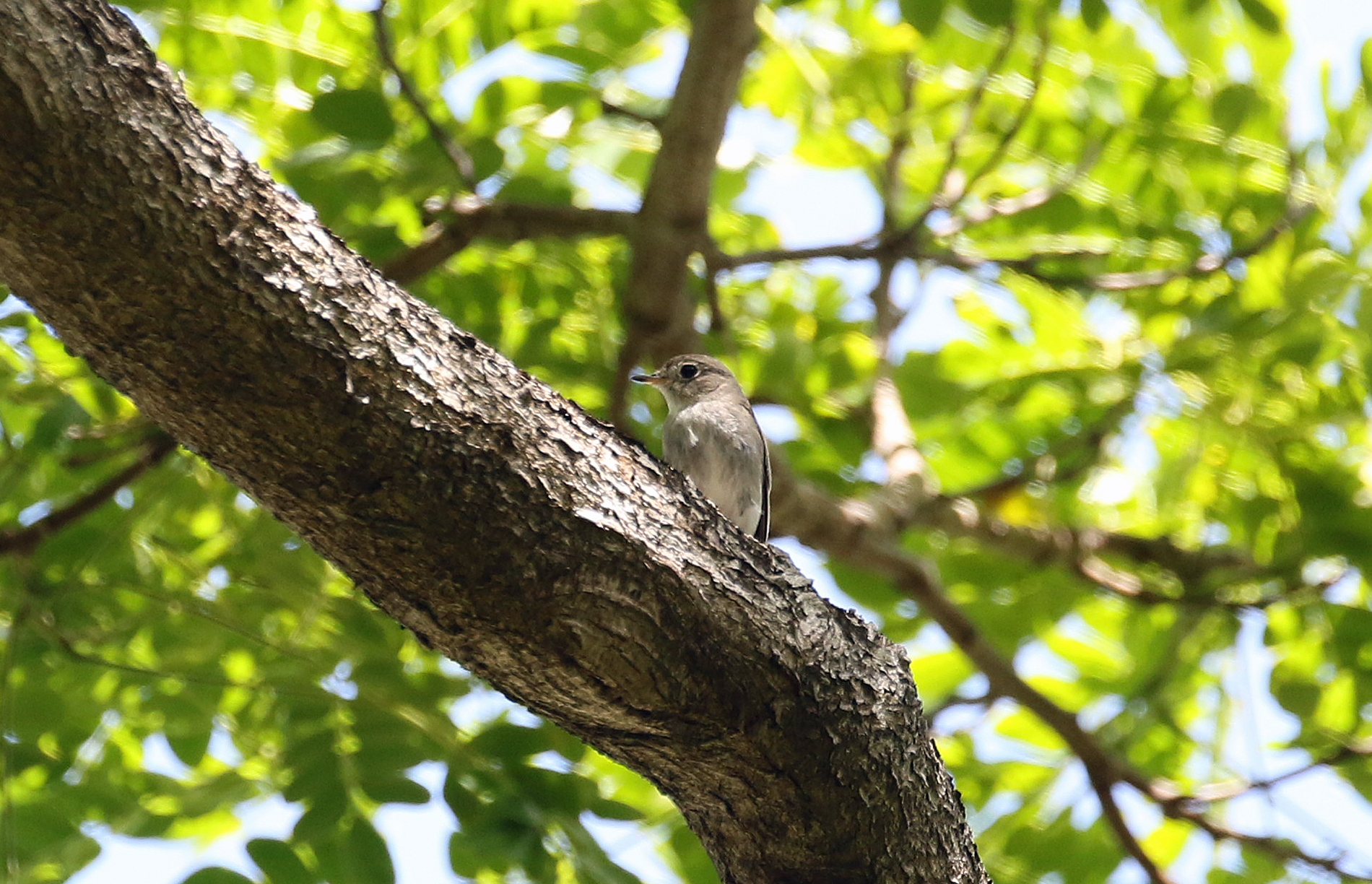
With 20min remaining till the 11.30am ferry departed we decided to do a last sweep through the mansion grounds. Stopping in front of the cuckoo's favourite tree I pished for a few seconds and incredibly an adult male BLUE AND WHITE FLYCATCHER flew out. After a quick jog to the ferry terminal to alert the others that had already left for the ferry we all spent the remainder of the afternoon photographing and filming this amazing little passerine.

Blue & White Flycatcher

Blue & White Flycatcher


Another excellent trip with a total of sixteen vagrants seen on both islands. Richard Baxter


Trip Report

Christmas Island and Cocos-keeling Islands Birding Trip Report Nov-Dec 2011.

Dates: 26 Nov to 10 Dec (14 days)
Guides: Richard Baxter, Mick Roderick and Damian Baxter
Itinerary: Seven days CI, followed by seven days Cocos (14 days)

It had been twelve months since our incredible Nov-Dec trip in 2010, on which we found twenty four species of vagrants.  We returned in March this year and rediscovered most of the species but since then they had all left the islands for greener pastures in South East Asia.  On the eve of this trip I had been wondering if any of the birds would return this year, particularly the ones we saw on Cocos such as the hawk cuckoos and sparrowhawks.  Although I hoped some would return for another summer on Cocos, I pretty much knew last year was a ‘one-off’, never to be repeated event.

We arrived on a very dry Christmas Island in late November in stark contrast to the year before when the island's wet season started in August.  All the usual pools of water were bone dry and there had been very little rain for at least a fortnight.  On our first day of birding we stayed near the northern end of the island which produced several of the island’s endemic species as well as a few of the island's specialties.

A bonus of visiting Christmas and Cocos is that you can see all of Australia's frigatebirds, tropicbirds and boobies in one trip and within twenty four hours we had all but one accounted for.  Christmas and Great Frigatebirds were abundant along the coastal strip to the casino and a lone Lesser Frigatebird was also seen in this vicinity.  White-tailed and Red-tailed Tropicbirds were seen and several golden morph WTTB's regularly cruised over our accommodation.  Red-footed Booby and Brown Booby numbered in their hundreds, with an almost constant procession of both species along the island's sea cliffs. The group also saw an Abbott's Booby on its nest in one of the rainforest trees along Murray Road on the island’s plateau.

Cave Swiftlet, CI Imperial Pigeon and CI White-eye were seen on our afternoon walk as well as Common Emerald Dove and Island Thrush.  Variable Goshawk was the next endemic sighted and we soon had both male and female goshawks showing well. Our first migrant was a lone Oriental Pratincole at the back of the Noodle House, which later departed to join the other six we found on the airport runway.

Common Emerald Dove

Common Emerald Dove

Christmas Island Golf Course

Christmas Island Golf Course


An early morning search around Settlement produced EASTERN YELLOW WAGTAIL and the welcome sight of rain clouds building around the island.  The much anticipated rain arrived during the night and the following morning produced our first epic bird of the trip in the form of a PURPLE-BACKED STARLING.  We all obtained good views of this bird and lots of great photos were taken before it was chased off by an Island Thrush.

Purple-backed Starling

Purple-backed Starling


With a large amount of rain falling on part of the island we decided to visit South Point Temple and search for swifts and martins.  We were rewarded with two ASIAN HOUSE MARTINS, Fork-tailed Swifts and a 'nest type swiftlet', which was too distant to identify.  Later that afternoon we made our way to North West Point and a location known as Swift Alley hoping to find more swiftlets.  As soon as we arrived we were amazed to see the sky full of birds.  In addition to over one hundred Cave (Linchi) Swiftlets, the following two hours produced thirty Asian House Martins, a lone HOUSE SWIFT, four EDIBLE-NEST SWIFTLETS and another larger swiftlet only slightly smaller than House Swift and obviously larger than the nearby  'nest swiftlets'.  We obtained two photos and a video, helping to identify this bird as a HIMALAYAN SWIFTLET.  Adding to the flock which had congregated on the side of Powell Hill, a couple of Fork-tailed (Pacific) Swifts appeared in front of an approaching tropical afternoon storm crossing from nearby Sumatra.  It was a fantastic two hours of birding and a great end to the day.

The next morning we visited the rubbish tip and located a very elusive GREY WAGTAIL and later found six Java Sparrow near Poon San and two Red Junglefowl on the Greta Beach track, finishing the day once again on swift watch at North West Point, seeing 30+ Asian House Martins and three to four Edible-nest Swiftlets.  Our evening spotlighting trip produced great close views of Christmas Island Hawk Owl, on the golf course, which was our last Christmas Island endemic.

After heavy overnight rain on our fifth and sixth days we went out early in search of more rarities. We soon found and photographed a RED-COLLARED DOVE not far from our accommodation.  Two needletail swifts circling the hill above our accommodation had us occupied for over an hour as we endeavored to clinch their ID, eventually seeing the white lores of White-throated Needletail.


Red-collared Dove (Damian Baxter)

Red-collared Dove

Red-collared Dove

Red-collared Dove

House Swift (Damian Baxter)

House Swift

House Swift (Damian Baxter)

House Swift


Several Barn Swallows were seen each day at Flying Fish Cove and another afternoon visit to NW Point continued to provide good views of the swiftlets, swifts and martins.  This time we found an all dark swiftlet, which we identified as MOSSY-NEST SWIFTLET. After an hour or so we were able to obtain a few photos.

Mossy-nest Swiftlet

Mossy-nest Swiftlet

Mossy-nest Swiftlet

Mossy-nest Swiftlet

House Swift (Damian Baxter)

House Swift


After an early start on our last day we were rewarded with views of a female ASIAN KOEL on the hillside under Silver City before breakfast.  The remainder of the day was spent visiting the island's main birding sites and walking down to the blowholes.  Many of the island's roads were closed due to the Red Crab migration, restricting the number of sites we were able to access during the week.  Our final afternoon was spent once again at NW Point.  In contrast to the four previous afternoons, the sky was virtually empty with just a lone House Swift cruising overhead.  Some members of our group had missed House Swift four days ago and it was great to see the bird return in full view of the group on our final Christmas Island afternoon. 

Despite the slow first day and dry conditions that greeted us on arrival, the week turned out to be one of the best I had ever experienced on Christmas Island, with the near daily rain and storms that traveled down from South East Asia obviously greatly contributing to large numbers of swifts, martins and swiftlets on the island.

With a week on Cocos still to come our trip list was already looking spectacular.  On this same trip last year we recorded an incredible twenty four vagrants and I was absolutely sure that I would NEVER again see that many vagrants on a single trip to these islands......How wrong I was!

We arrived on Cocos with a nice northerly wind blowing, originating from a tropical low hovering about 350 nautical miles to the west of the islands.  This low produced perfect birding conditions and a tail wind for arriving vagrants from South East Asia.  Our first day on Cocos was spent entirely on West Island and by the end of the day we had an impressive one day list which included, Green Junglefowl, White-breasted Waterhen, Lesser Frigatebird and Great Frigatebird, GADWALL, YELLOW BITTERN, Oriental Pratincole, PIN-TAILED SNIPE, Dollarbird (SE Asian Race), SILVER-BACKED NEEDLETAIL, Barn Swallow, Asian House Martin and an unidentified, elusive Pond Heron, which was probably Chinese Pond Heron.  An awesome day of birding.

The day commenced with a drive along the island's main road where Green Junglefowl and White-breasted Waterhen are now abundant and very easily seen.  In recent years the numbers of waterhen has exploded and they are now regularly seen in the yards of local residents and on most of the atoll's islands.  We also flushed a pond heron that, despite several searches, we were unable to locate again during our stay.

After breakfast we drove to the end of the runway in search of Pin-tailed Snipe and soon flushed two birds from the edge of the lagoon on an incoming tide.  We continued our walk and minutes later flushed a small pale bittern from the long grass on the edge of the runway.  After seeing the diagnostic black trailing margins to the wings and black wing tips, Damian quickly yelled, “Yellow Bittern” as it flew across in front of our group giving everyone great flight views of this species’ diagnostic features.

Javan Pond Heron (Pam Jones)

Javan Pond Heron

Christmas Island Thrush

Christmas Island Thrush


While everyone had lunch, Mick, Damian and I decided to do a reconnaissance mission to the local wetlands were it began to rain as we walked in.  Whilst sitting under a palm frond and with our cameras in our dry bags, Damian spotted a mottled brown duck at the far end of the swamp which eventually swam into full view next to a Pacific Black Duck which gave us a direct size comparison.  Ten to twenty percent smaller than the PBD, with a white speculum and obvious orange bill with dark bill edges, it soon flew towards us then directly over our heads, and out of the wetlands, flashing a whitish underwing.  Mick said, " It looks like a Gadwall, do they migrate?". 

After lunch at our accommodation we spent an hour or so trying to photograph a Hirundapus swift flying near the old quarantine station.  This bird proved exceptionally difficult to photograph and ID but we eventually had views of the dark lores and forehead as well as the indistinct throat patch which merged with the dark brown upper breast, clinching the identification as Silver-backed Needletail.

On Monday the 5th Dec we headed for the ferry to spend the day on Home Island.  While waiting on the jetty Penny spotted two CHINESE SPARROWHAWK soaring over the palms near the jetty.    The following day we saw one of the birds again in the same area and I rushed back to our accommodation to tell everyone, but despite several searches we were unable to locate them again over the next few days.

Female Asian Koel (Pam Jones)

Female Asian Koel

Dollarbird on Cocos (Pam Jones)

Dollarbird on Cocos


Arriving  on Home Island, we walked to the Clunies Ross mansion and as we entered the grounds, three light brown passerines flew off the ground into the nearby trees.  We surrounded the trees and had only fleeting glimpses as they flew from tree to tree.  Following them was another smaller passerine, possibly a flycatcher.  After thirty minutes of frustrating views in the deep foliage, one of the birds finally landed in front of me long enough to identify them as EYE-BROWED THRUSH. Over the next hour we all had good views of the three birds, watching them fly back to the ground and forage amongst the fallen leaves.  During the week we found a further four thrush on West Island and another two on Direction Island.

Without delay we moved off to find the smaller bird that we saw earlier with the thrush.  We soon spotted it nearby but were only able to obtain one 'out of focus' photo and poor views.  Despite these difficulties we had enough to confirm we had a flycatcher.  This bird was very cryptic and wouldn’t leave the deep foliage of the large trees that dot the mansion grounds. 

Eye-browed Thrush

Eye-browed Thrush

Eye-browed Thrush

Eye-browed Thrush


Over lunch we took the time to regroup and examine the photo, compiling our views and notes. We eventually decided our bird had to be either a Mugimaki or Narcissus Flycatcher.  After lunch the rest of the group visited the banana plantation area where a few people saw  WATERCOCK. Damian and I went back to quietly sit under the tree where we first saw the flycatcher and waited.  It wasn't long until we saw it again.  A few minutes later and we had the full frontal views we needed of the bird, showing the orange breast of Australia's first MUGIMAKI FLYCATCHER.  Despite repeated attempts to gain photos, this bird remained cryptic in its habits all week and the shots we obtained were generally poor.

Mugamaki Flycatcher

Mugamaki Flycatcher


By Tuesday the tides were right for a trip to South Island but a few rose early and conducted a dawn vigil at the wetlands, where they saw Grey Wagtail, Asian House Martin and Oriental Cuckoo.

Once on South Island we saw six SAUNDER’S TERN roosting on the last remaining sand bar yet to be covered by the incoming tide.  The terns were sharing the sandbar with several species of wader and amongst these we found a probable LITTLE STINT, which we managed to photograph before the tide finally covered the island and the birds flew.  We finished the afternoon with a swim and lunch on one of the nearby deserted lagoon islands.


Saunder's Tern

Saunder's Tern

Horsburgh Island Cocos

Horsburgh Island Cocos


Our next trip was to Horsburgh Island for the day. The morning started off well when we found a dark phase WESTERN REEF EGRET, race schistacea with diagnostic long legs and ‘saber’ shaped bill in a tidal pool near the jetty, whilst waiting for our boat.  We departed in our zodiac and half way across the lagoon Tony, Damian, Pat and I all jumped in with a pod of very friendly spinner dolphins who allowed us to swim with them for around 20 minutes.  Landing on Horsburgh, we walked the island finding White Tern, Red-tailed Tropicbird and a few Fork-tailed Swifts.  With a storm building to the north we decided to do a quick sea watch on the island’s northern beach and were rewarded with a Masked Booby cruising the coastline, finishing off the full suite of Australia’s regular booby, frigatebirds and tropicbirds. After lunch we headed out to the ship wreck in the middle of the lagoon for a snorkel.

Western Reef Egret

Western Reef Egret

Horsburgh Island Sea Watch

Horsburgh Island Sea Watch


By Thursday the tropical low had circled around to the south of us and had approached to within 285nm of Cocos.  It was now cat 3 Tropical Cyclone Alenga.   Despite this, the wind had only increased a small amount and we still had blue skies and an occasional rain front passing over the islands.   There was no doubt the consistent northerly winds contributed to the continued arrival of new birds to islands.

On Thursday we returned to Home Island in an attempt to get better photos of the Mugimaki Flycatcher.  Most in our group were able to gain more conclusive views but it remained imponderably and frustratingly evasive.  Also seen on the island was Watercock, Oriental Cuckoo, White-tailed Tropicbird and of course the now familiar three Eye-browed Thrush, which spend their day turning over leaves under the Frangipani Tree near the entrance gate.

While we were on Home Island, Helen and Jeff Larsen spent a relaxing day on Direction Island, locating two more Eye-browed Thrush and a small warbler sized passerine which we never had a chance to follow up.  Later that afternoon we found an Asian Koel, then near our accommodation on West Island we spotted a large long tailed cuckoo with heavy barring on the tail and flanks diagnostic of LARGE HAWK CUCKOO.  Another returnee from last summer.

Large Hawk Cuckoo (Norm Harris)

Large Hawk Cuckoo

Large Hawk Cuckoo (Pam Jones)

Large Hawk Cuckoo


Our final full day on the island continued to produce more mega vagrants. The first one came before breakfast when we located a EURASIAN TEAL in the wetlands which was possibly the same bird as last year.  Certainly its behavior was the same as we watched it cruise the far end of the swamp and roost under the overhanging palm fronds.

Just before lunch Pam Jones came rushing down to our accommodation with a photo of a starling she had just taken from the bushes adjacent to one of the local parks.  Within minutes we were all assembled and looking at a young ROSE-COLOURED STARLING.  That afternoon we had further views of Asian Koel, Oriental Cuckoo, Striated Heron, Barn Swallow, Asian House Martin and Large Hawk Cuckoo.  With only half a day remaining before we flew home there was one more vagrant left to find.

Yellow Bittern

Yellow Bittern

Rose-coloured Starling (Pam Jones)

Rose-coloured Starling


Group Photo (Damian Baxter)

Group Photo (Damian Baxter)


Our final morning on the island continued to be productive with nice views of the Large Hawk Cuckoo, both male and female Asian Koel, Grey Wagtail and the teal. We had heard from one of the island’s residents that he had seen a small black and red bird near the cemetery two mornings previously.  Sounding like a second Mugamaki Flycatcher we searched the area, but unfortunately we only found a Striated Heron.  The best bird discovered that morning was found by Peter Wilk when he photographed a JAPANESE SPARROWHAWK soaring directly over our accommodation.

Conclusion:
Over two weeks we found a total of 80 species on both islands, including the highest number of rarities I’ve ever recorded, totaling an incredible 26 species. Prior to our arrival there were no significant weather events that I could contribute this high number to but certainly after arriving the near daily rain fronts arriving on Christmas Island from the north contributed to the large number of swifts/swiftlets.  On Cocos, there is no doubt the nearby tropical low and subsequent tropical cyclone and associated northerly winds contributed to our tally.

Swift Watching (Mick Roderick)

Swift Watching (Mick Roderick)

Booby Stare Off (Mick Roderick)

Booby Stare Off (Mick Roderick)


A total of 18/26 vagrant species re-occurred from last summer on the islands.  In March 2011 we returned and relocated most of the vagrants and there is no doubt many of these will again remain until Feb 25th 2012 when my next tour departs for both Christmas and Cocos.  I’m also really looking forward to the Feb/March trip to see what arrives on the islands between now and then.

Rarities/vagrants seen:

  • Purple-backed Starling
  • Eastern Yellow Wagtail
  • Asian House Martin
  • Edible-nest Swiftlet
  • Himalayan Swiftlet
  • House Swift
  • Grey Wagtail
  • Red-collared Dove
  • Mossy-nest Swiftlet
  • Asian Koel
  • Gadwall
  • Yellow Bittern
  • Pin-tailed Snipe
  • Silver-backed Needletail
  • Pond Heron Prob Chinese
  • Chinese Sparrowhawk
  • Eye-browed Thrush
  • Mugimaki Flycatcher
  • Watercock
  • Saunder’s Tern
  • Little Stint
  • Western Reef Egret
  • Large Hawk Cuckoo
  • Eurasian Teal
  • Rose-coloured Starling
  • Japanese Sparrowhawk

Other nice birds seen:
White-breasted Waterhen, Barn Swallow, Oriental Cuckoo, Oriental Pratincole, Green Junglefowl, Lesser, Christmas & Great Frigatebird, Masked, Red-footed, Abbott’s and Brown Booby, White-tailed, Golden Morph WT and Red-tailed Tropicbird, Island Thrush, CI White-eye, CI Imperial Pigeon, Variable Goshawk, Cave (Linchi) Swiftlet, CI Hawk Owl, Dollarbird, Sanderling, Grey Plover, Tree Sparrow, Lesser Crested Tern and Java Sparrow. 

Richard Baxter

Next CI/Cocos birding Tours
25 Feb to 10 March 2012 &
24 Nov to 8 Dec 2012.


Japanese Sparrowhawk

Japanese Sparrowhawk

Cocos Road

Cocos Road


2012 Tour Dates

25 Feb -10 March 2012
7 days Christmas Island and
7 days Cocos-keeling Islands
(14 days)

24 Nov - 8 Dec 2012
7 days Christmas Island and
7 days Cocos-keeling Islands
(14 days)

Cost: $3800
Includes Red Crab migration


2013 Tour Dates

16 Feb -2 March 2013
7 days Christmas Island and
7 days Cocos-keeling Islands
(14 days)

Cost $3800


30 Nov - 14 Dec 2013
7 days Christmas Island and
7 days Cocos-keeling Islands
(14 days)

Cost: $3800
Includes Red Crab migration