Pelagic Trips
- About
- Tours
- Newcastle Pelagic 2002
- ASE 2008
- Previous Trip Reports
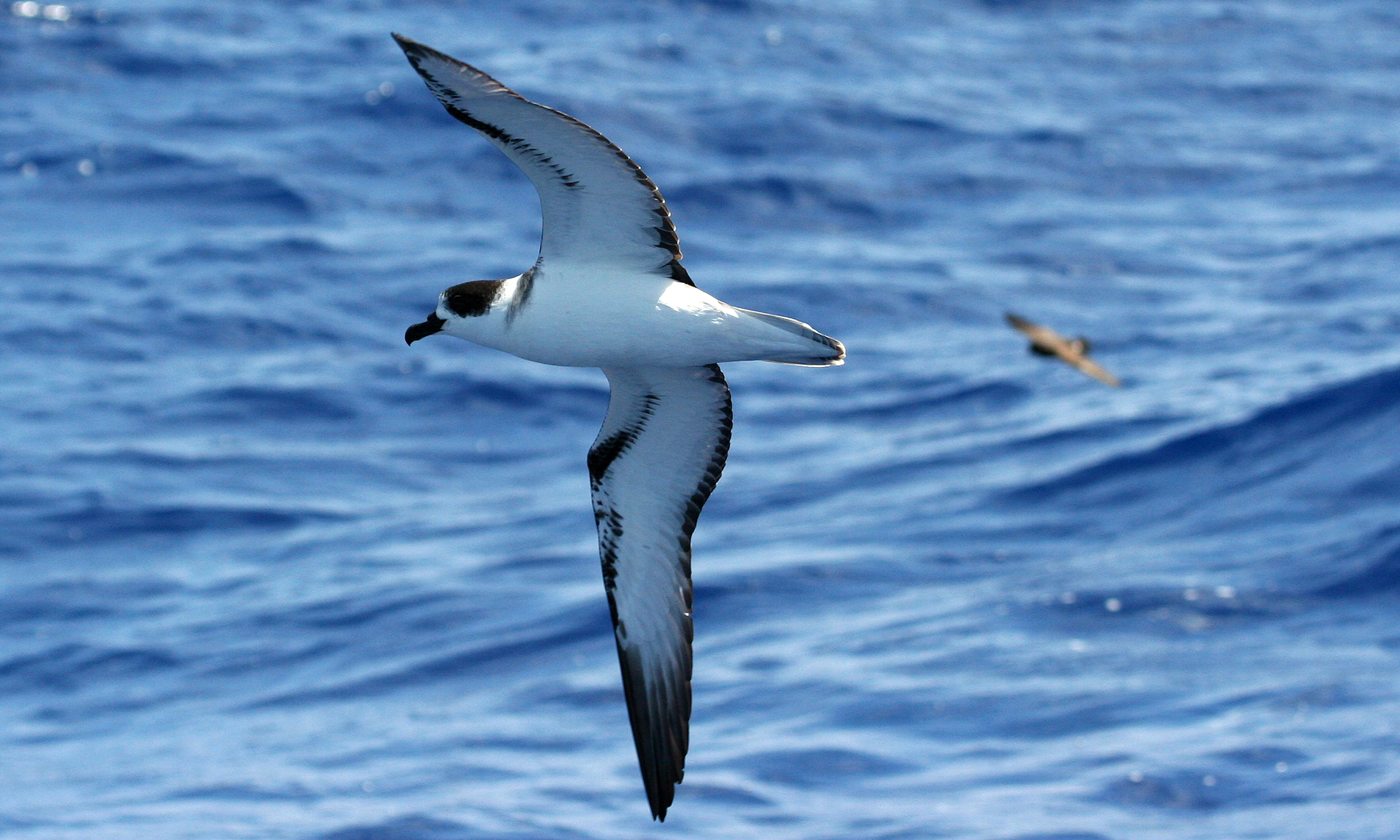
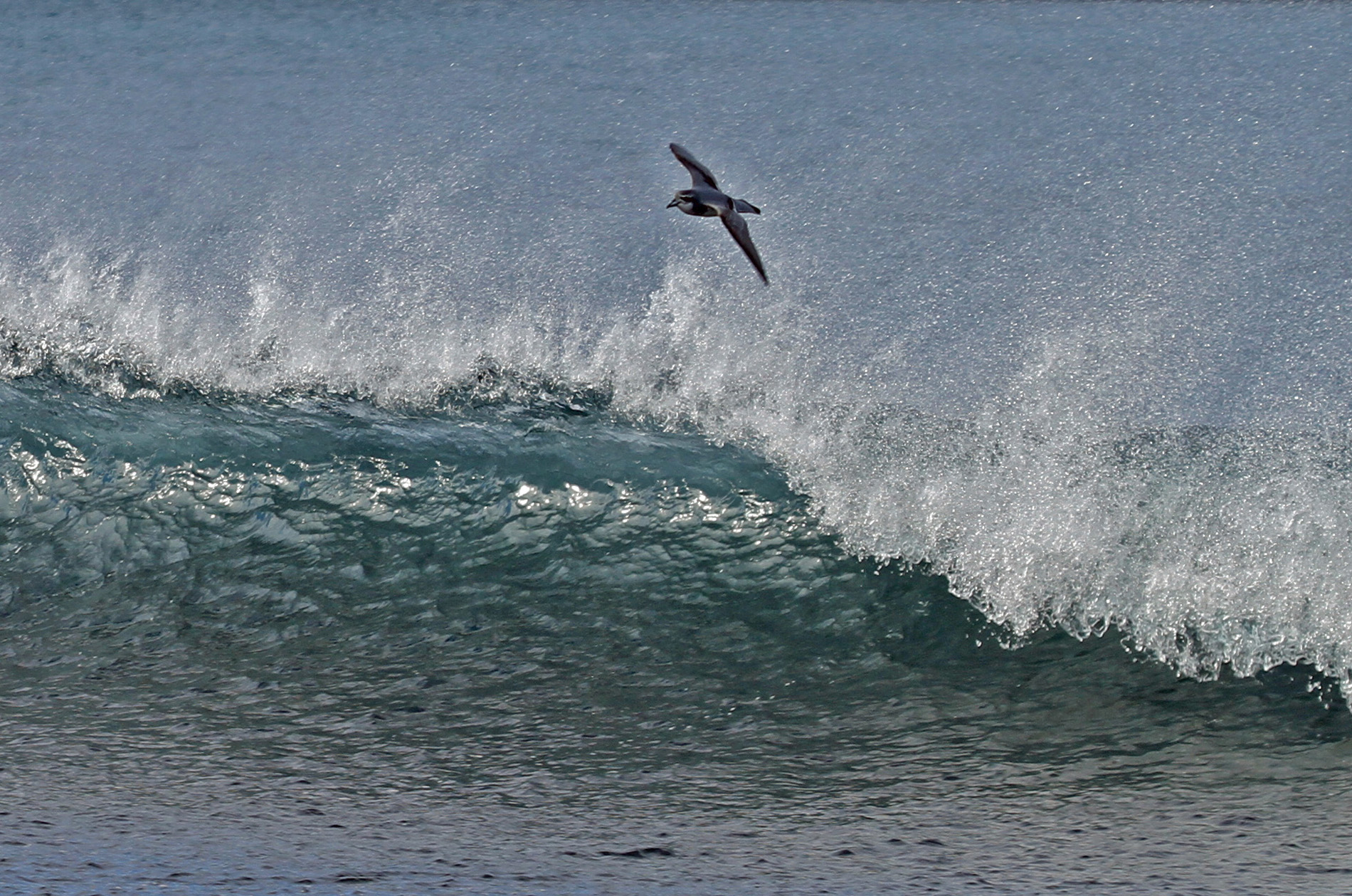
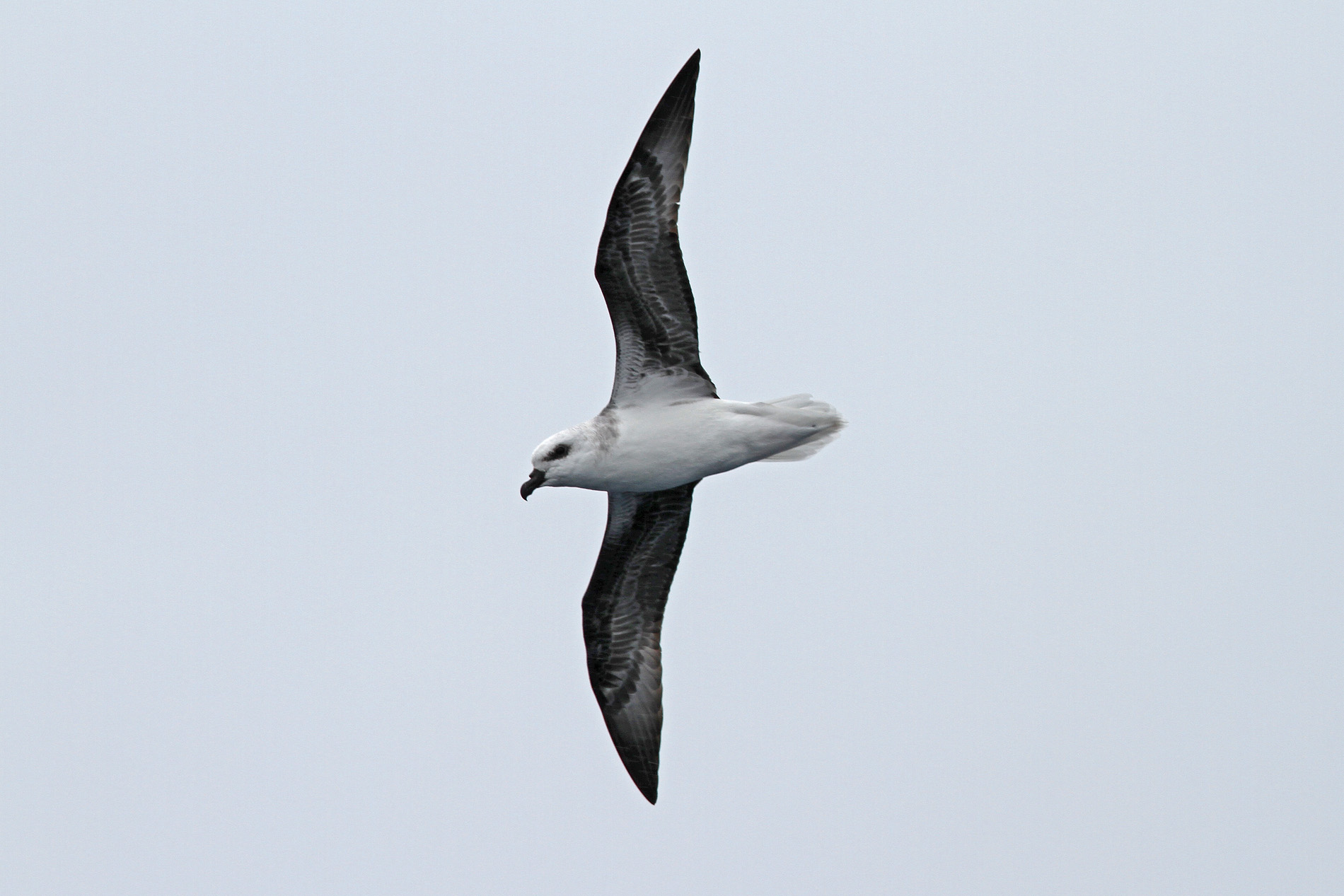
Goulds Petrel
Australia is THE best place in the world for observing Seabirds. Over 130 species of seabirds have been recorded in our country which is over one third of the world's total. Your guides are acknowledged as some of the best seabird experts and are a rarity in themselves in these parts.
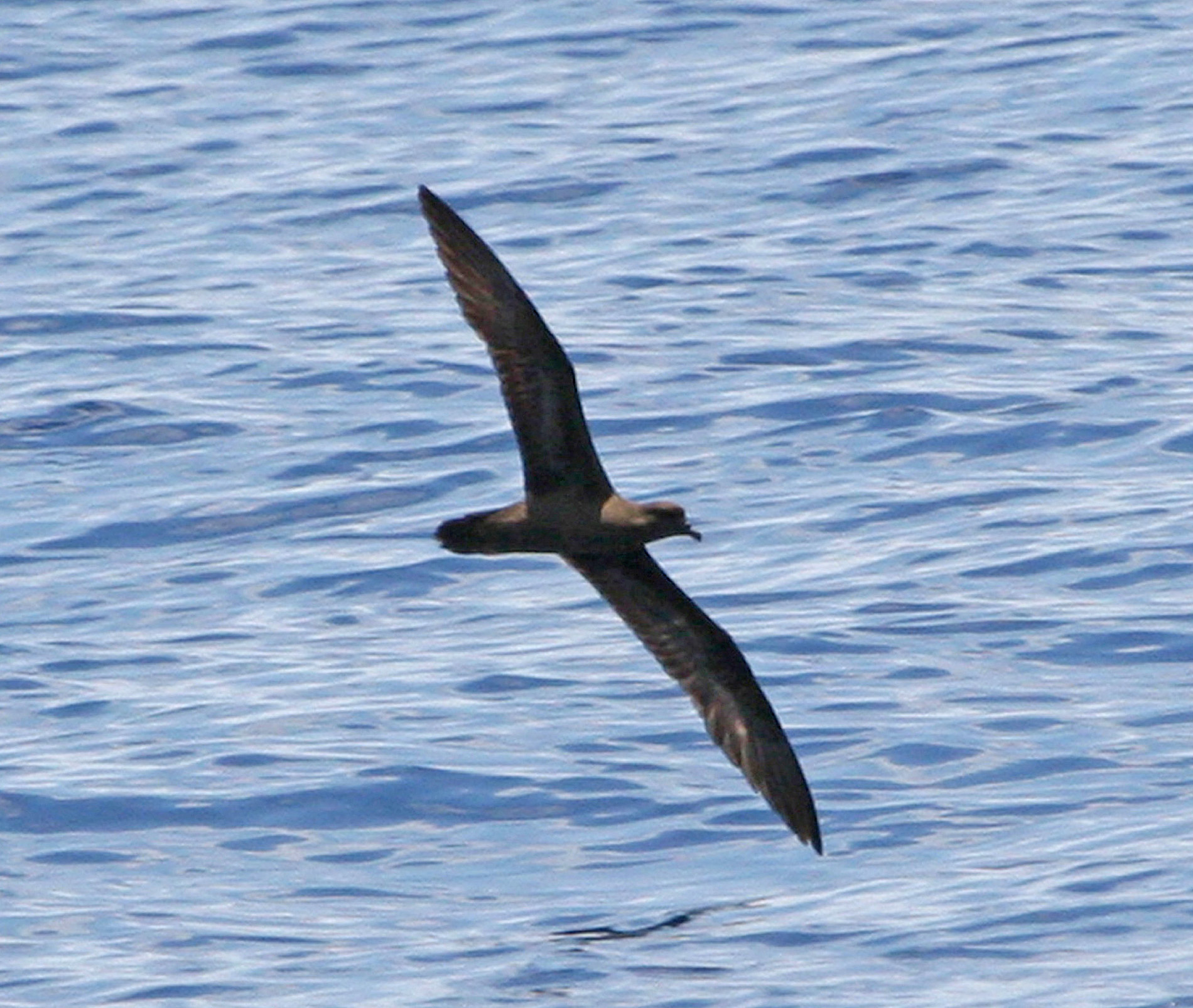
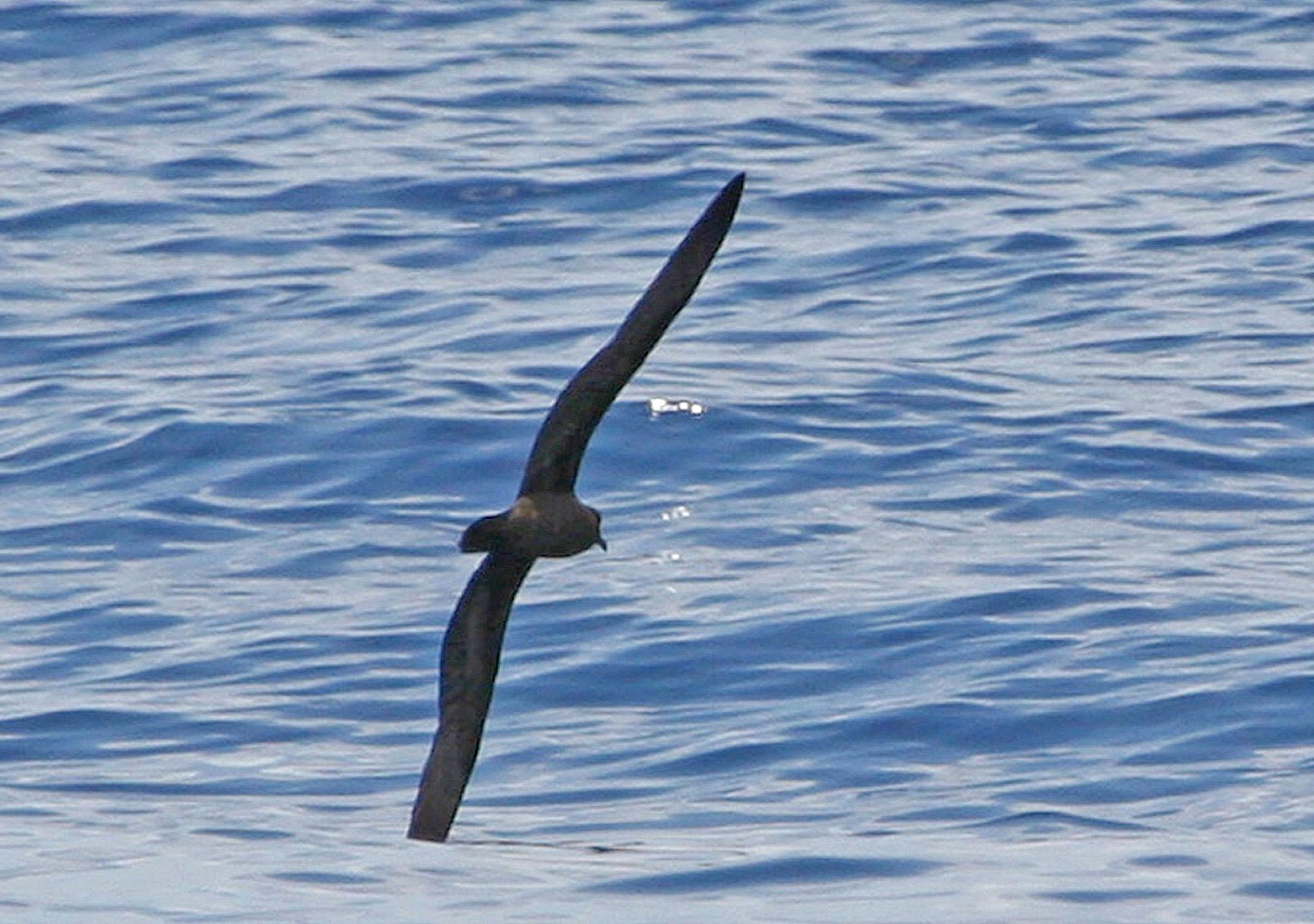
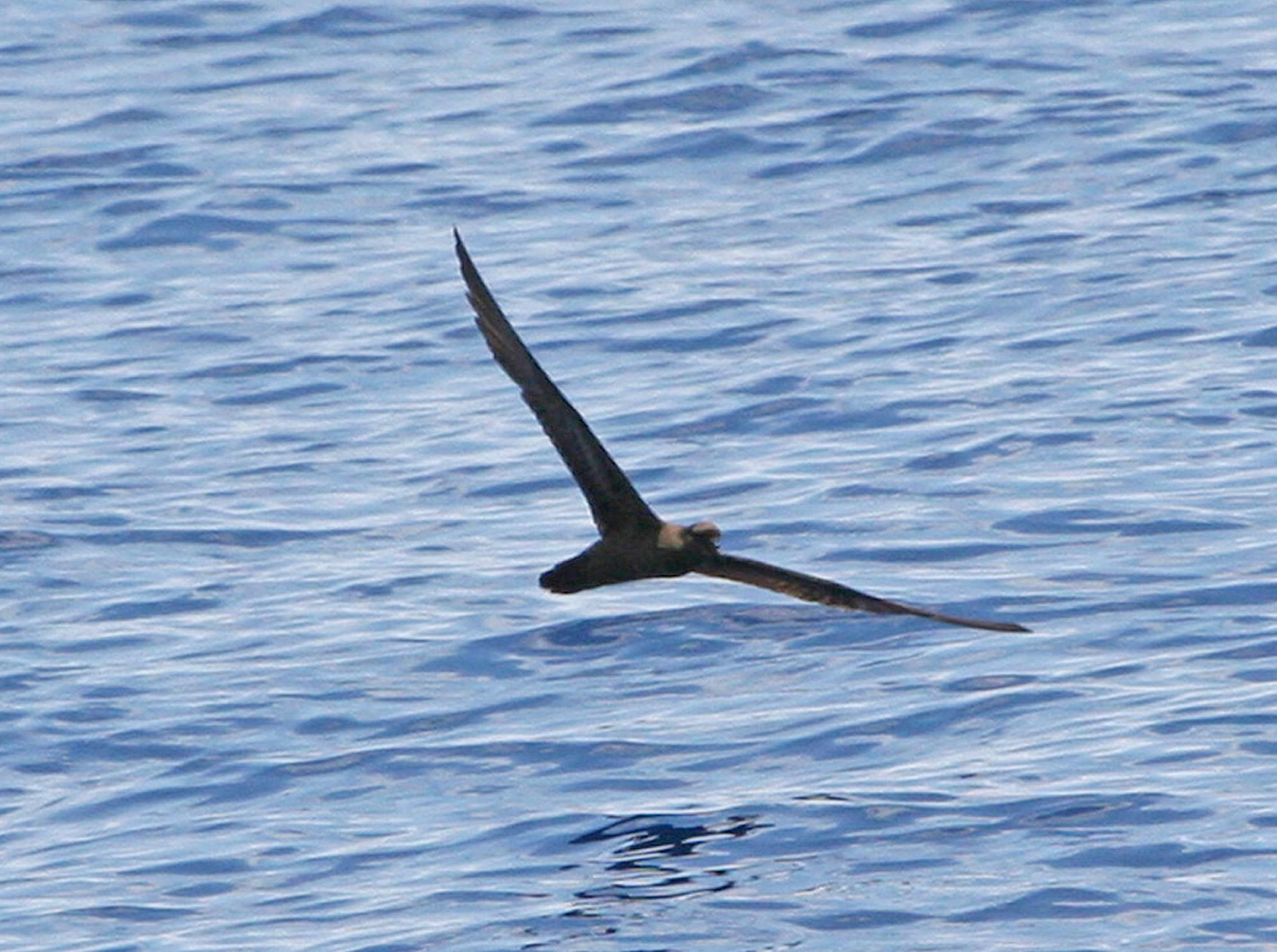
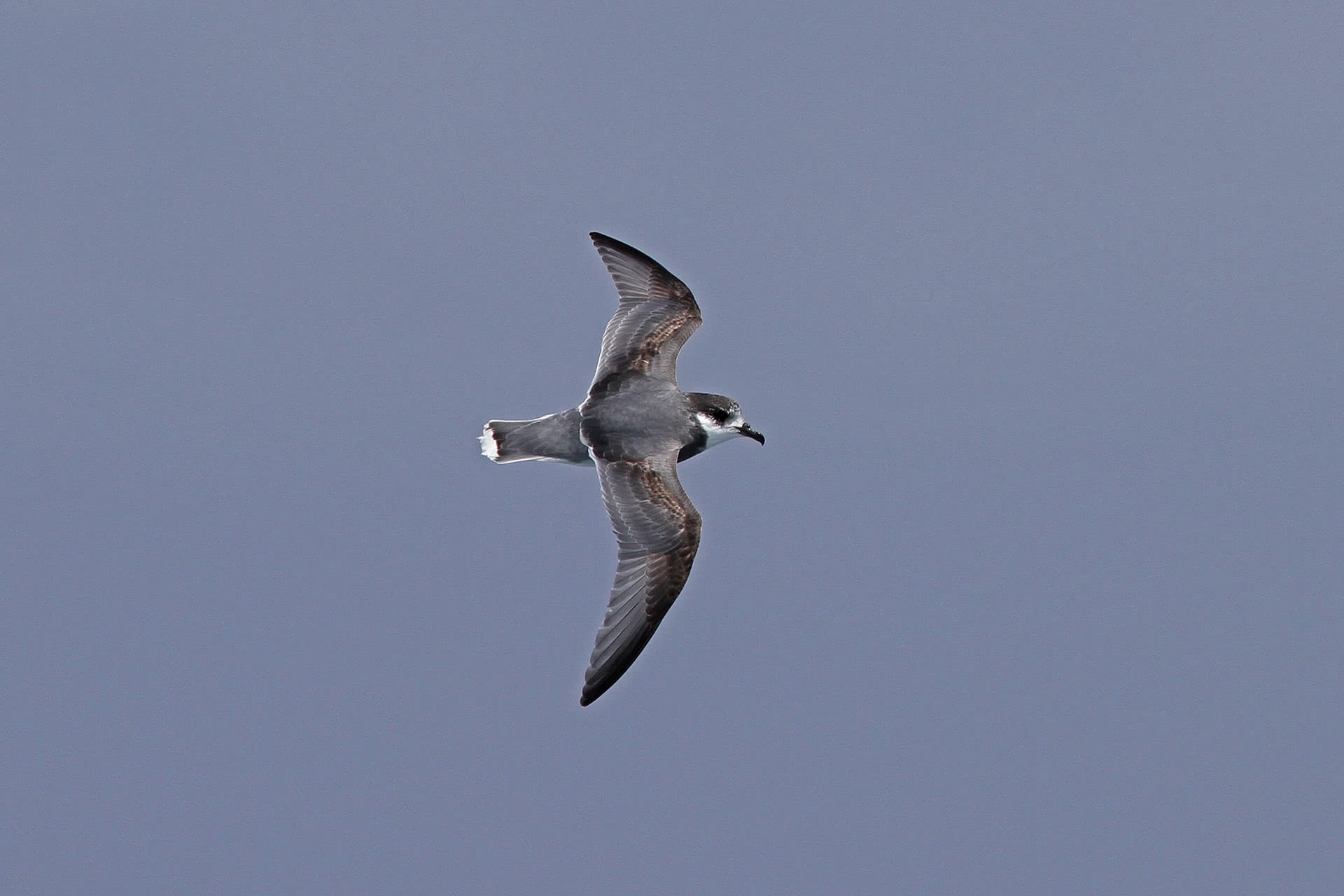
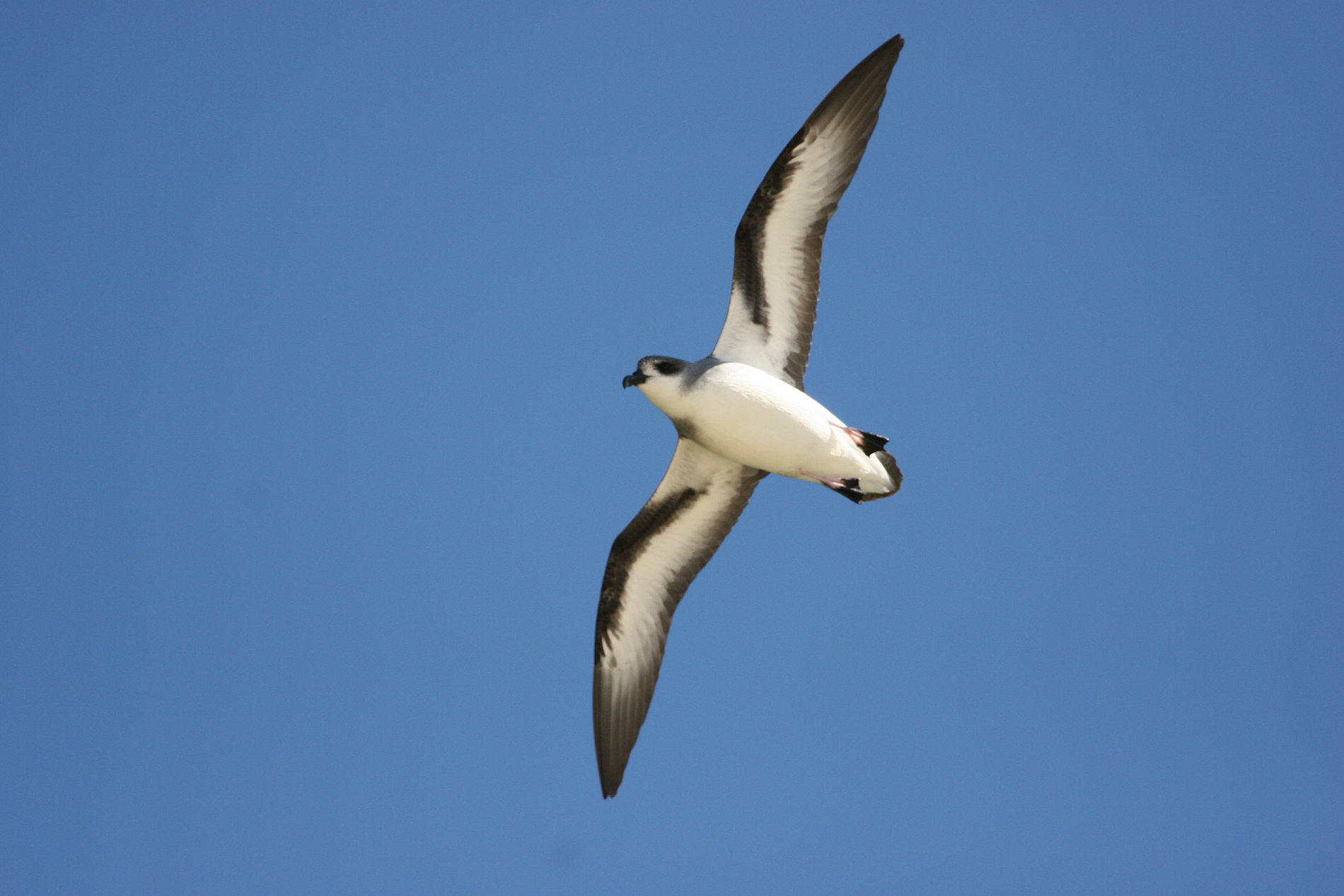
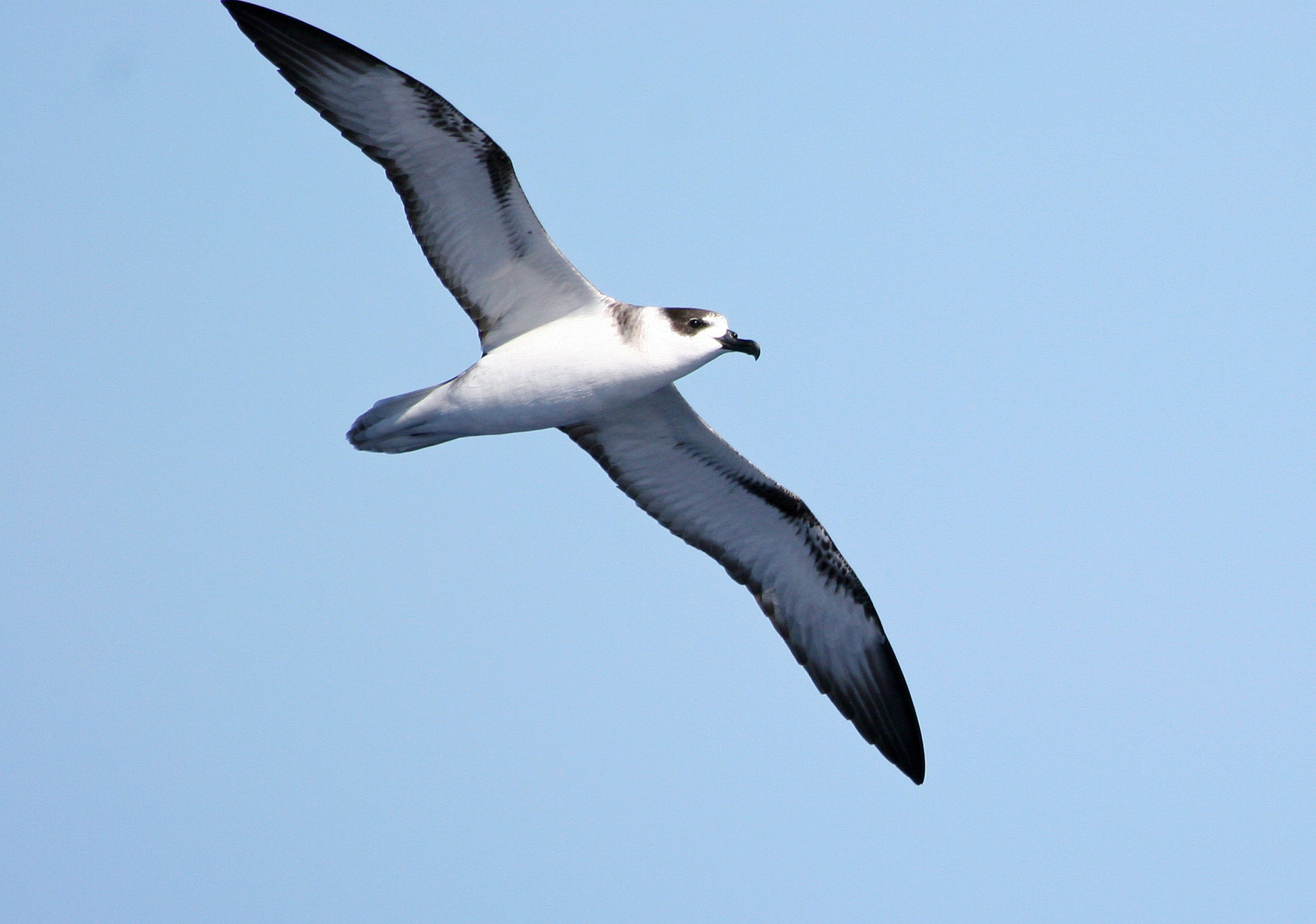
We believe that seabirding with Albatrosses, Petrels & Shearwaters coming to burley within feet of the boat is the best birding on earth. The Hunter region as a seabird site is beginning to develop. Birding Tours Australia inaugurated private pelagic survey charters in Newcastle . In our first 6 trips, we added 12 new seabirds to the Hunter list. In addition, one of the rarest and most elusive Petrels in the world, the Goulds Petrel, breeds at a nearby site, Cabbage Tree Island . Your guides are the best equipped to show you these highly endangered birds in their natural habitat. We see Gould’s Petrel on most trips between October and April.
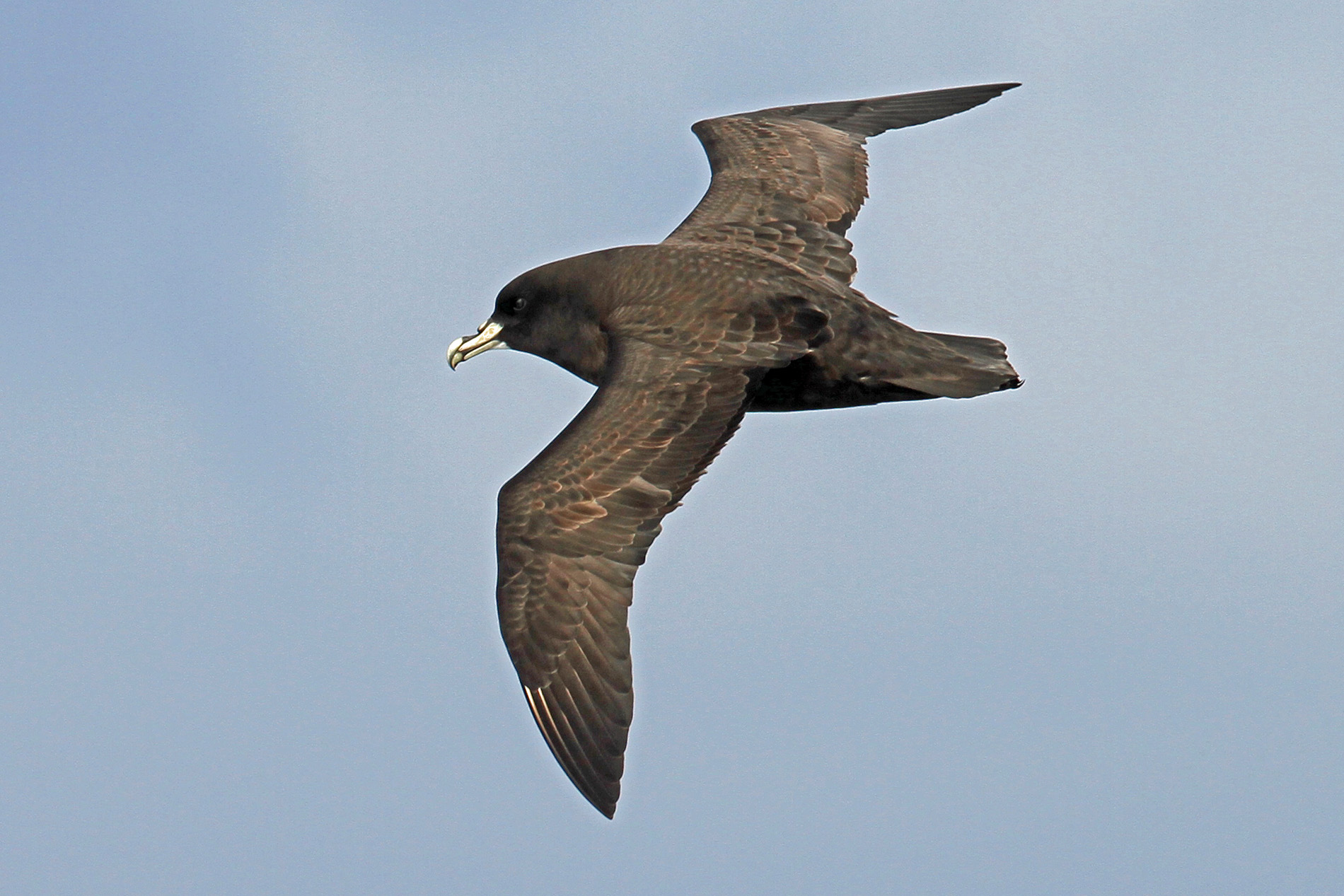
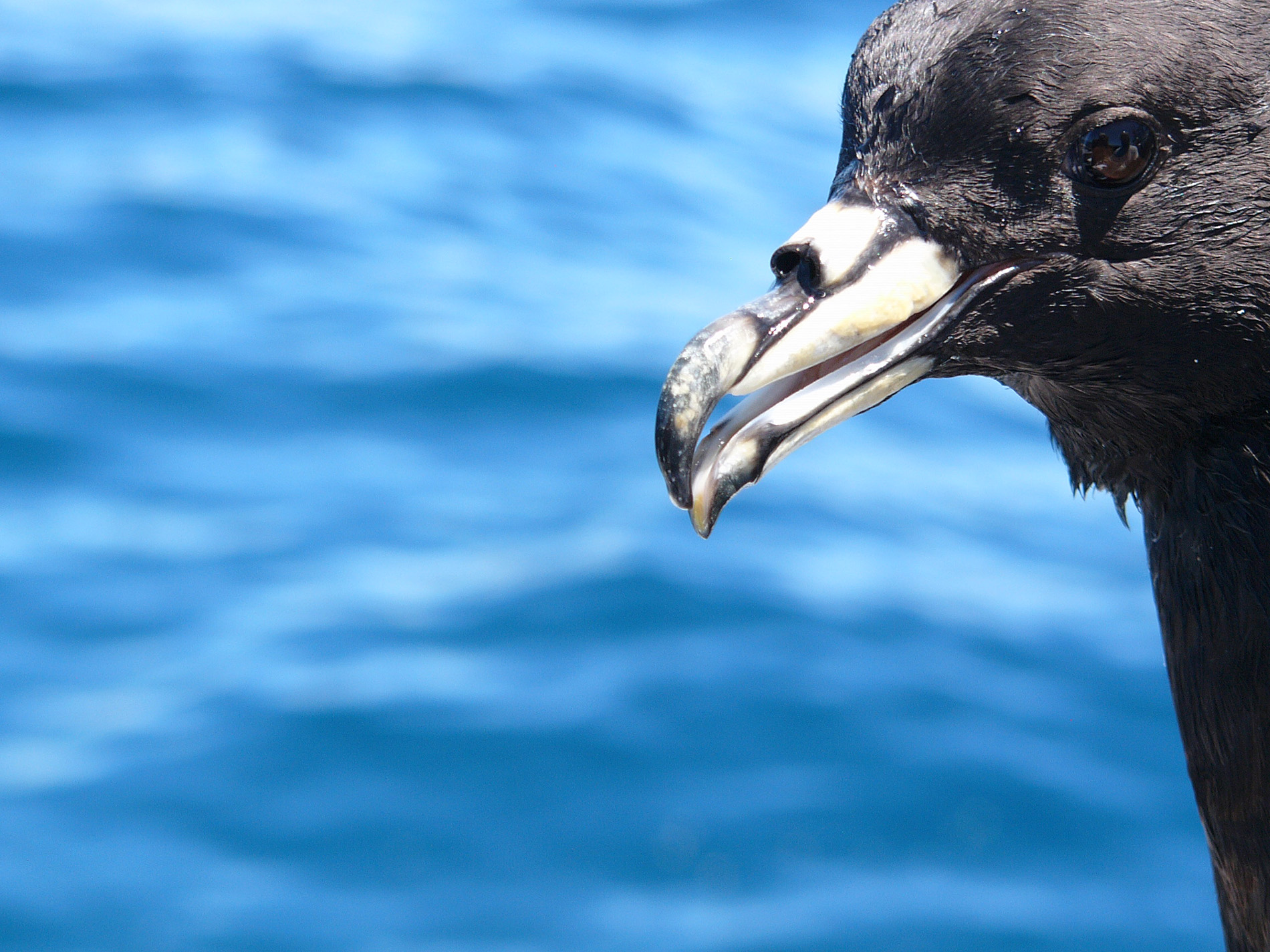
In most months we have seen the endemic Solanders (Providence) Petrels beyond the edge of the continental shelf. Lord Howe Island is the only breeding location for this handsome and endangered bird.
Newcastle is ideally placed to attract a wide range of seabirds. It is far enough south to still get good numbers of Southern Ocean Seabirds in winter and is also far enough north to get some good tropical seabirds during the summer months.
We have a comprehensive variety of world class pelagic trips organised or planned over the next 5 years. Our local Newcastle boat is available for day charter to the shelf for tour groups at AUS$1500 per day (max 10 persons) (guide included)
Future trips include:(See Tours page)
2012/13 Norfolk Island Seamount – 8 days
2013/14 Coral Sea Basin and Raine Island – 8 days
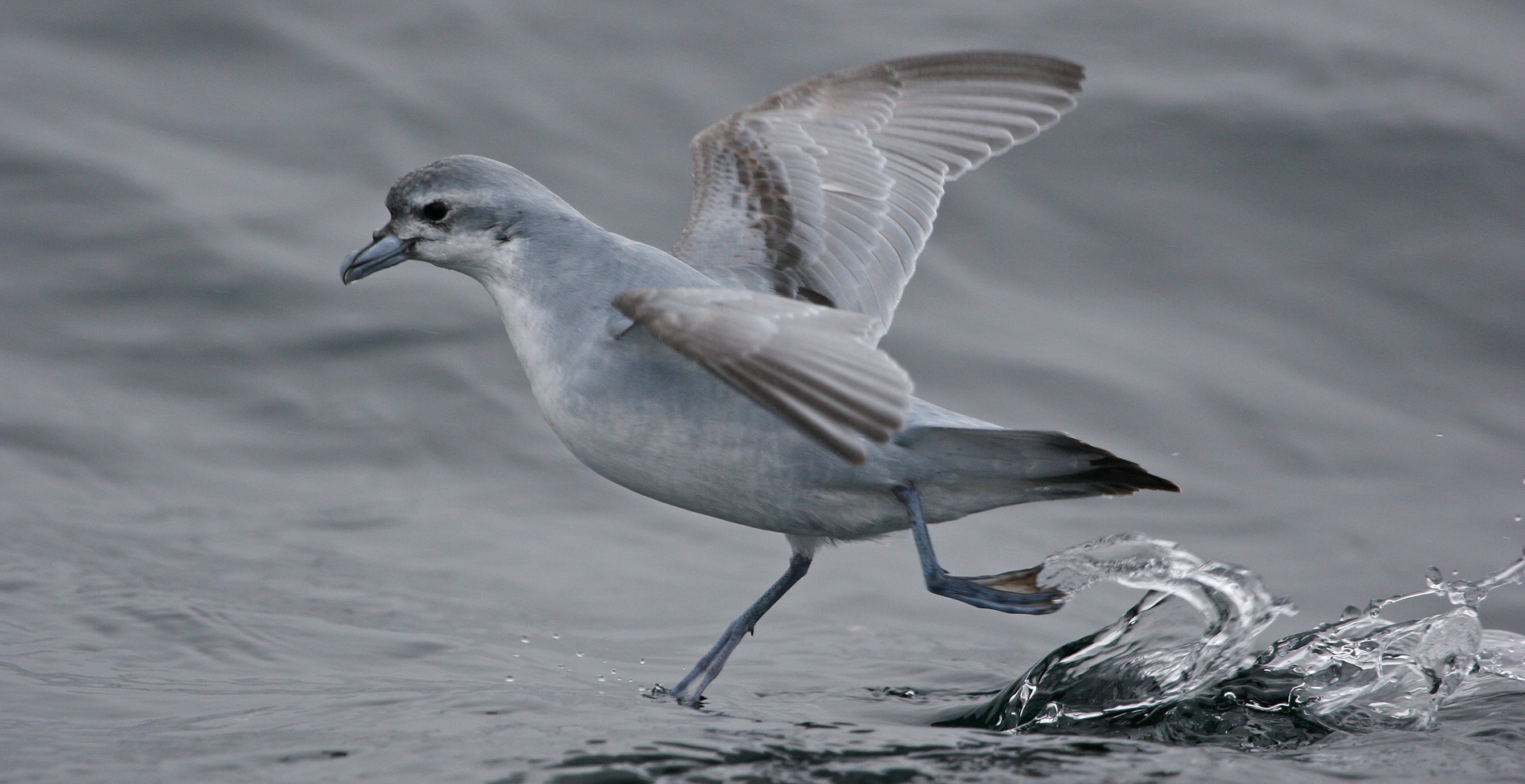
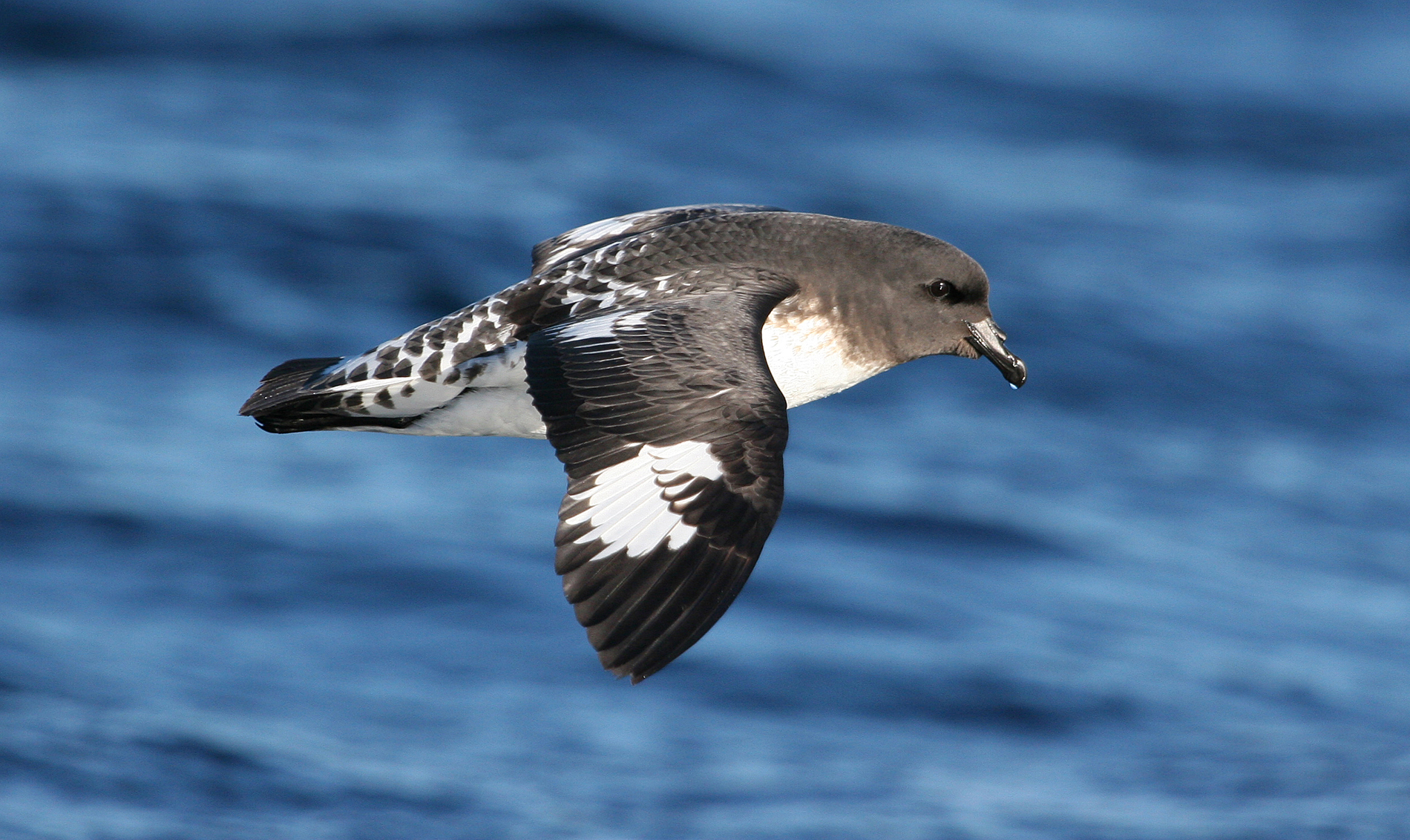
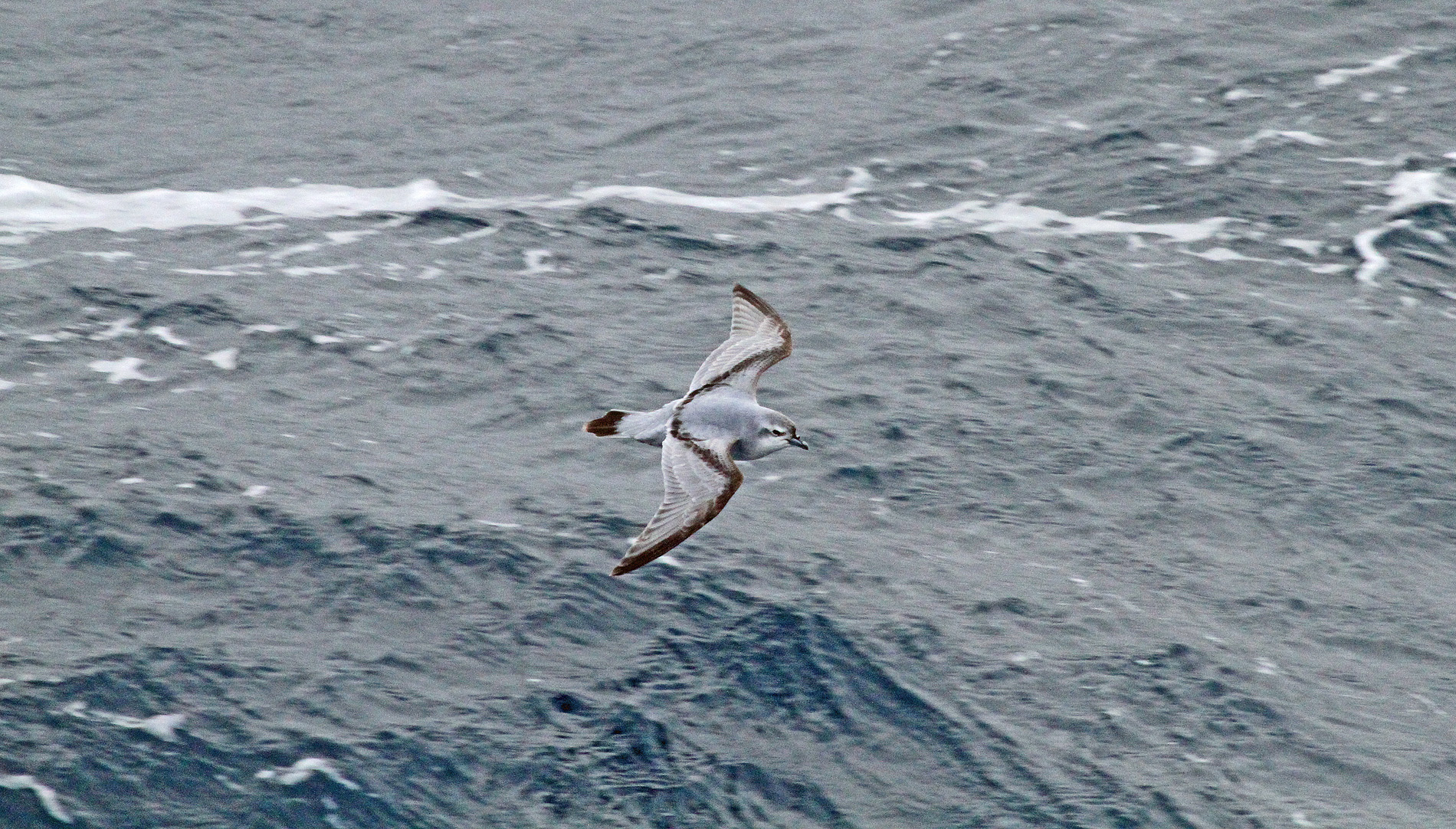
Cape Petrel
- 2012 Norfolk Island Seamount
- 2013 Coral Sea Basin and Raine Island

Pelagic 1.
Early April 2012 Norfolk Island Seamount – 8 days
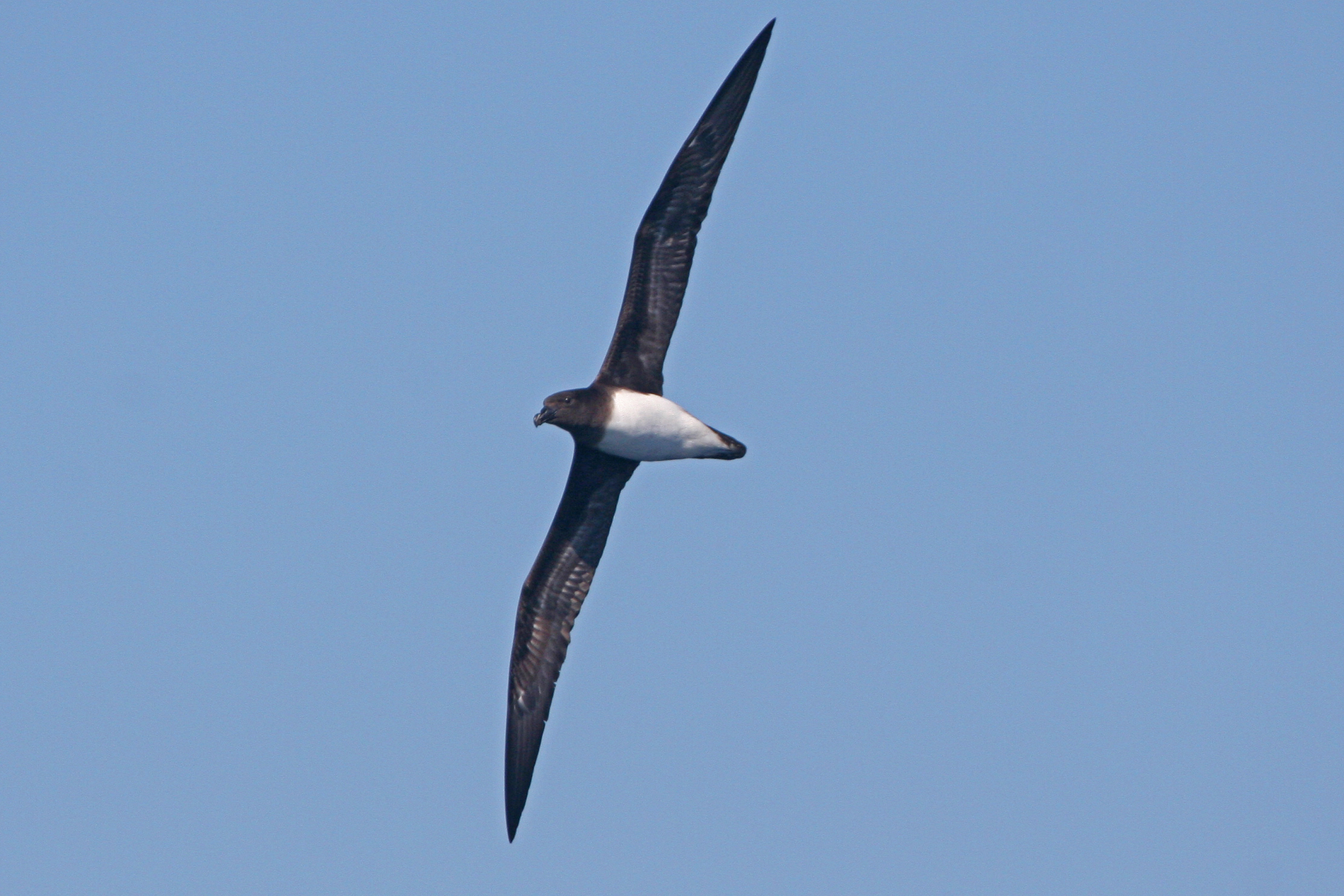
In 2008 we visited the tropical waters north of Norfolk Island. We sailed to a seamount and undersea volcano near our 200nm EEZ with Noumea. The seabirds were spectacular, with flocks of Little Shearwater, Tahiti Petrels and passing Cooks and Mottled Petrels. The high light was undoubtedly a lone Collared Petrel seen by all on board as we were over the top of the seamount. The water temperature in Oct was not warm enough for our other main target species, White-throated (Polynesian) Storm Petrel.
Circumstances didn’t allow us to linger in these water but in 2013 we plan to do just that. In early April the water will be at its warmest and we’ll again visit these remote waters in search of rare Central Pacific seabirds. Other targets will include White-throated Storm Petrel, Vanuatu Petrel, Phoenix Petrel, Murphy’s Petrel, Tropical Shearwater and Pycroft’s Petrel.
We are now taking names of those interested in this trip.
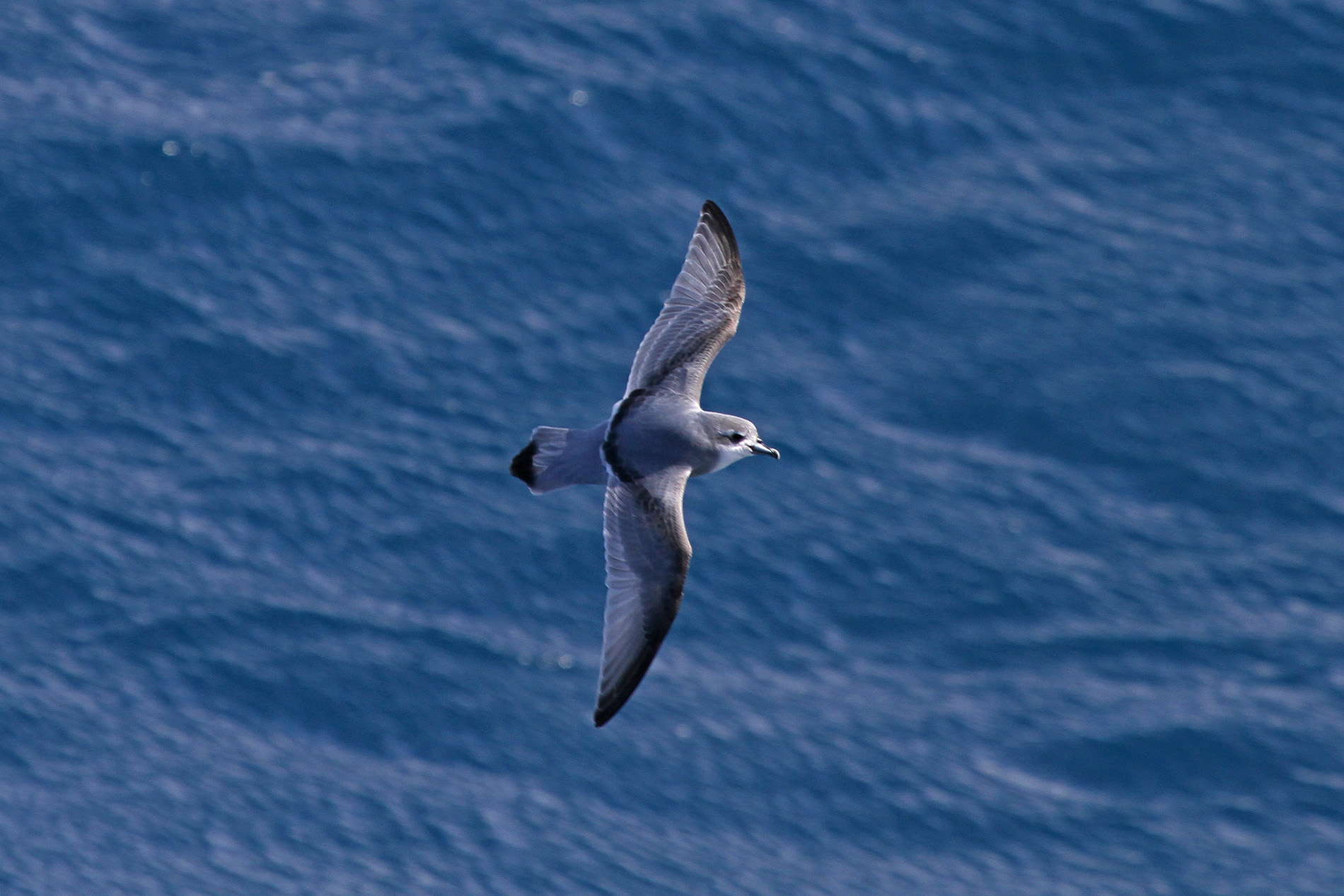
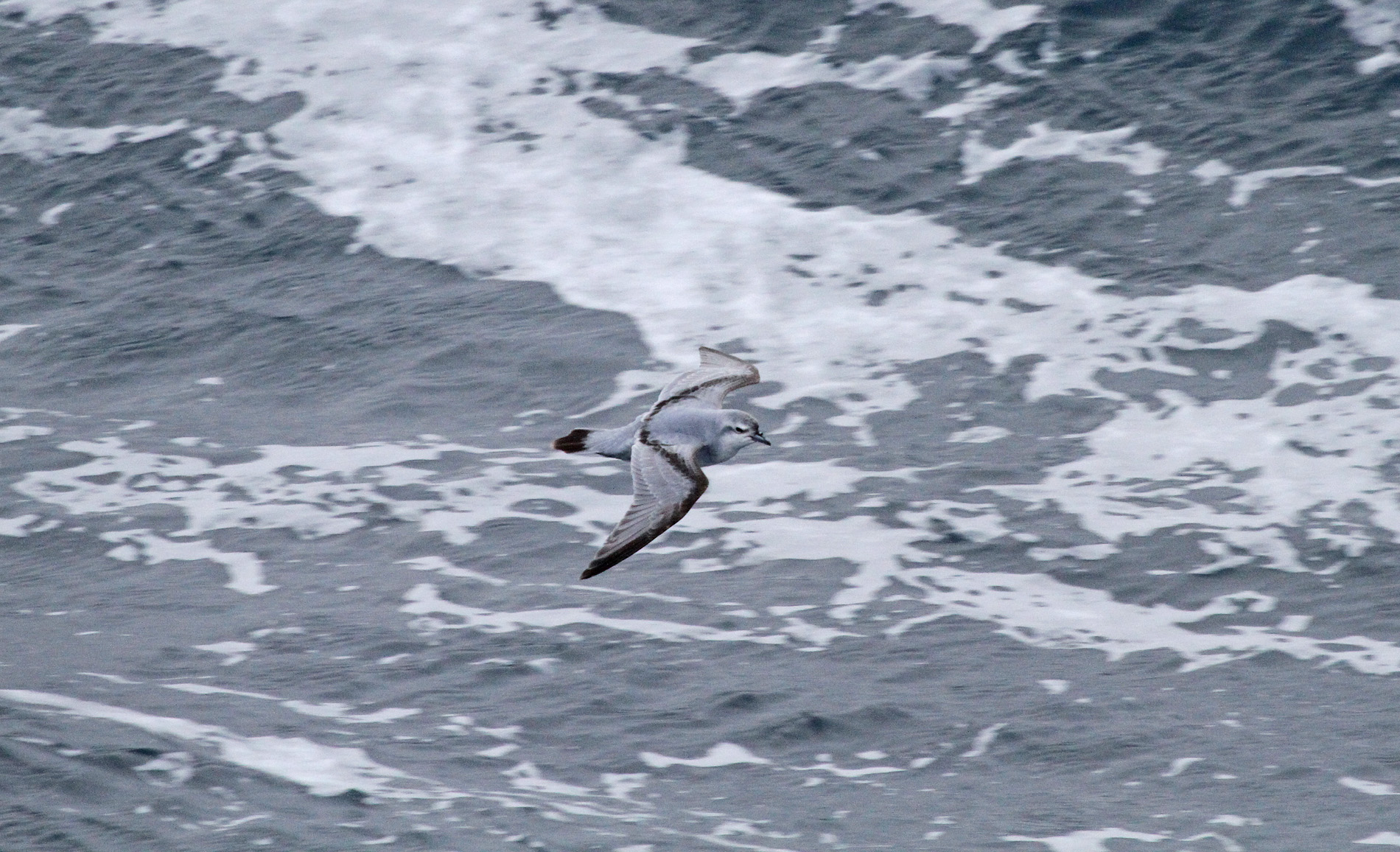
Little Shearwater
Pelagic 2.
2013 or 14 Coral Sea Basin and Raine Island – 7-9 days
Raine Island and Australia’s Coral Sea Basin waters are logistically extremely difficult to reach. This pelagic will depart Lockhart River and sail to Raine Island. Raine Island is Australia’s only known breeding locality for Herald Petrel.
From here we’ll travel east into the deep waters of the Coral Sea Basin. The basin is a very large area of virtually unbirded deep water north of the Great Barrier Reef and south of Port Moresby PNG. Our EEZ cuts through the middle and we’ll travel along our EEZ till we’re well over 200nm offshore. This course will take us into the foraging area of Herald Petrel and other tropical seabirds. In one of the very few trips to traverse this area, Mike Carter recorded Tristram’s Storm Petrel and not far away also recorded Tropical Shearwater.
We are now taking names of those interested in this trip.
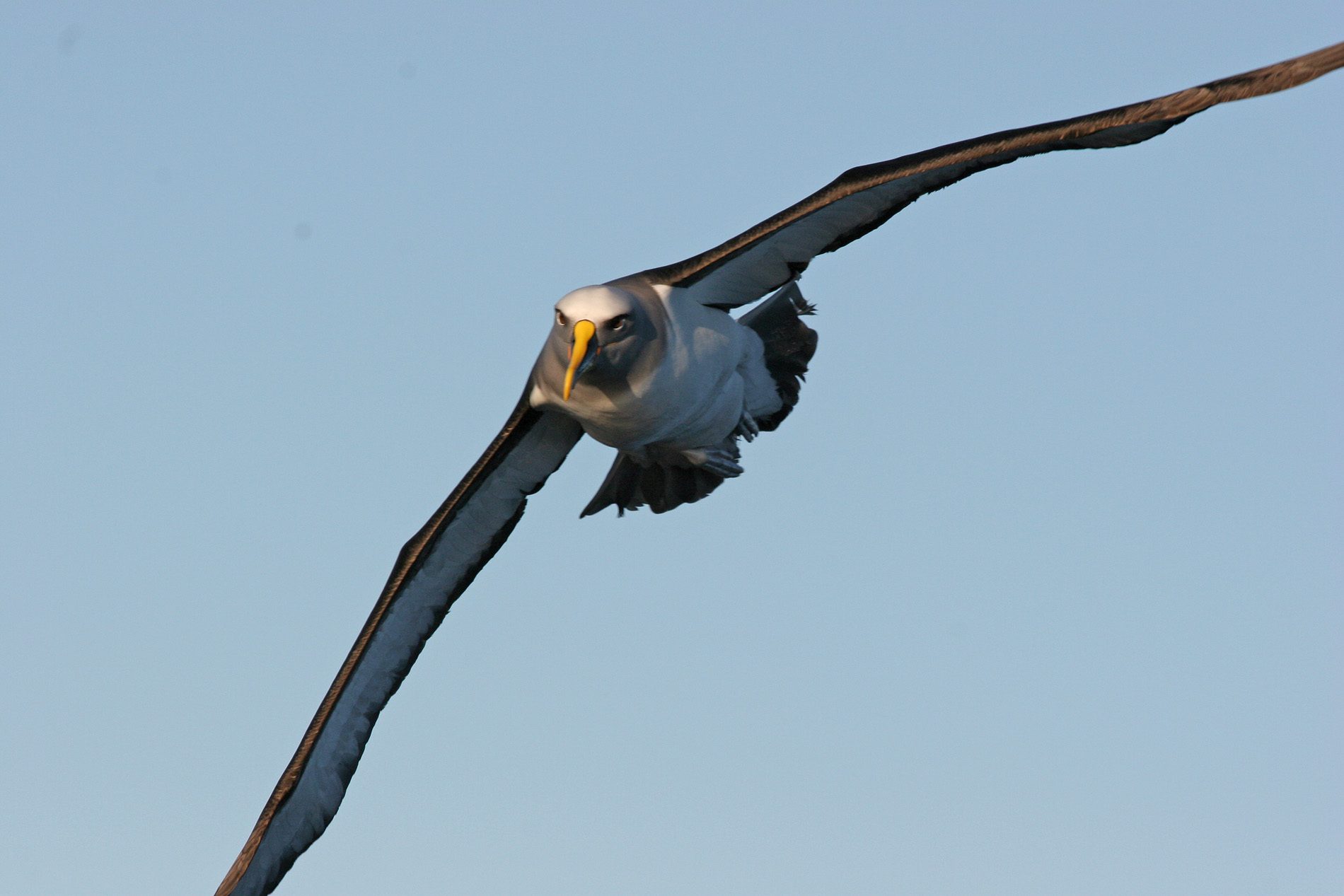
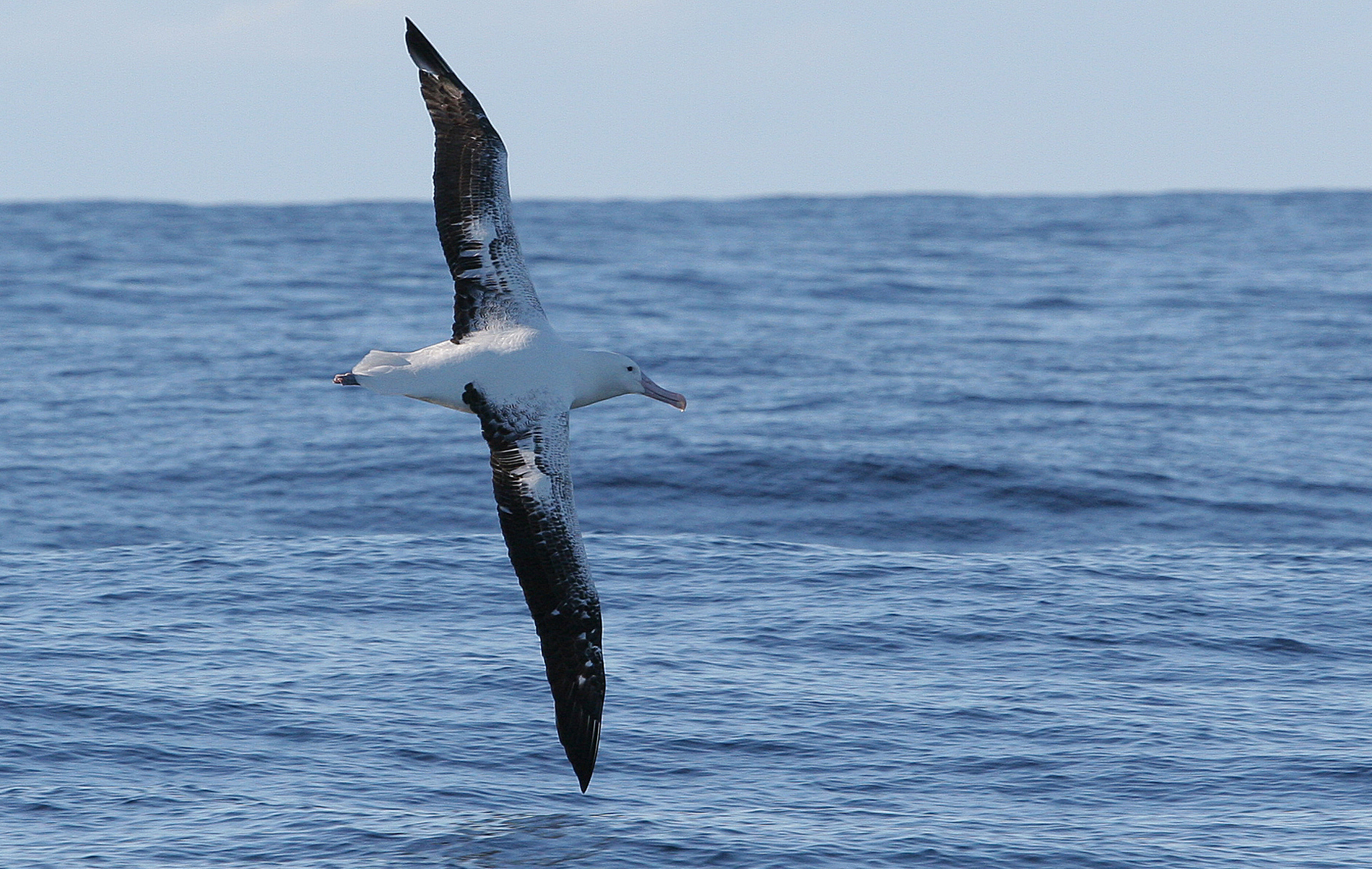
Black-bellied Storm-Petrel
Newcastle pelagic weekend 12-13th Oct 2002
SATURDAY 12 Oct 2002.
Departed 6.10am Returned 4pm.
Seas slight decreasing the further out.
Winds light 10knots
Primary Chumming Location: 80km East of Swansea.
Those on board: Damian Baxter, Snow Perry, David Geering, Matt Hughes, Allan Benson, Alan Stuart, Michael Hunter, Robert Mcdonald, David Brown, Mike Newman, Dick Jenkin, Phil Hansbro and Richard Baxter.
Trip Summary: An awesome pelagic trip, with the highlight being 2 Cookilaria Petrels, White-headed Petrel and Slender-billed Prion.
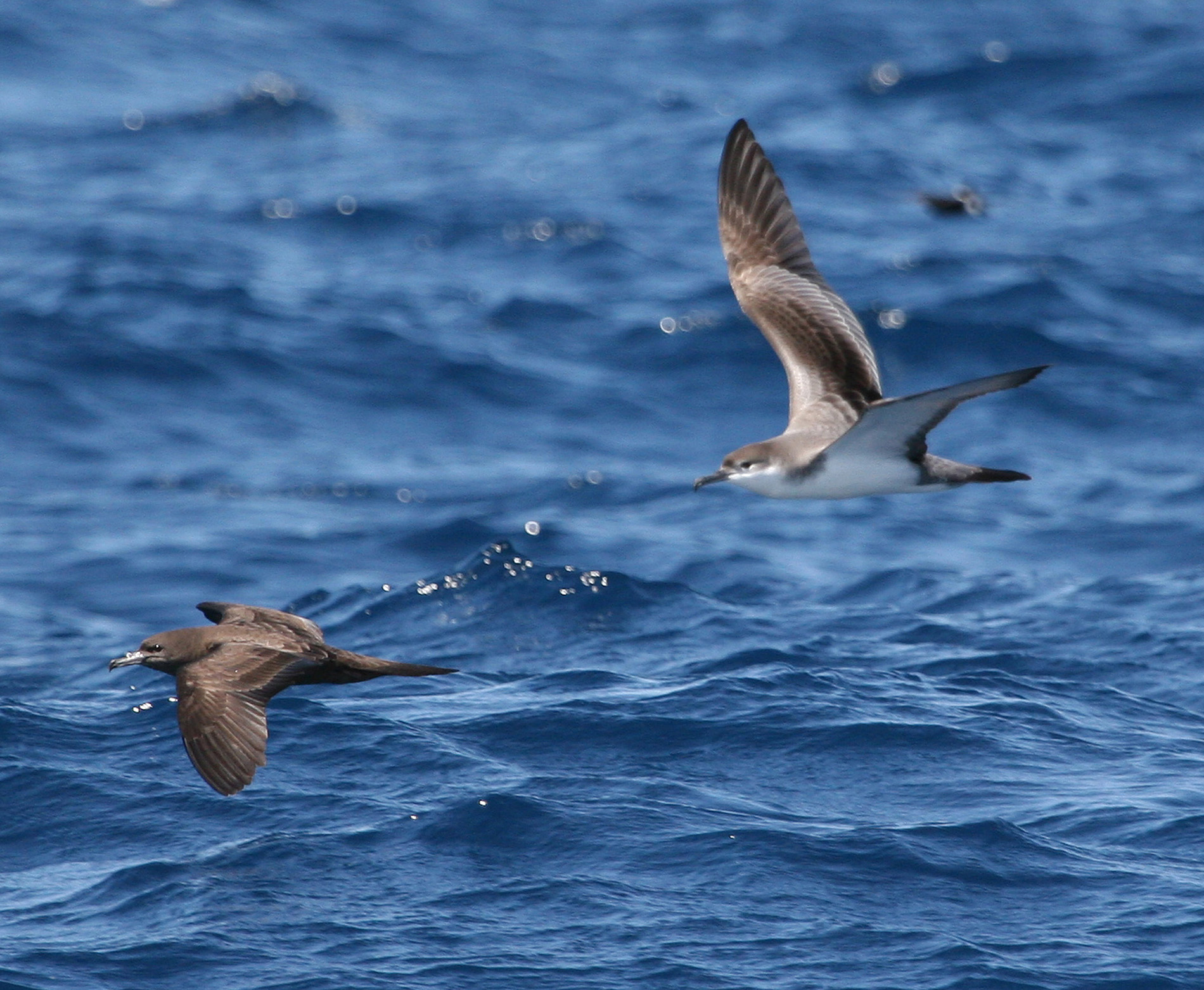
We departed Swansea at dawn and headed east and almost immediately we found ourselves amongst hundreds of Wedge-tailed Shearwater, Short-tailed Shearwater and Fluttering Shearwater. With these, were Silver Gulls and Crested Tern.
We continued east without slowing and over the next hour we started to see a few Flesh-footed Shearwater and Hutton’s Shearwater. Periodically an Australasian Gannet would cruise past the boat and continue on its journey. After another hour we crossed she shelf and saw our first Providence Petrel and Great-winged Petrels, with a few Wilson’s Storm Petrels in the distance. Rather than stopping at the shelf we continued out to sea and finally arrived at a primary chumming location 80km offshore.
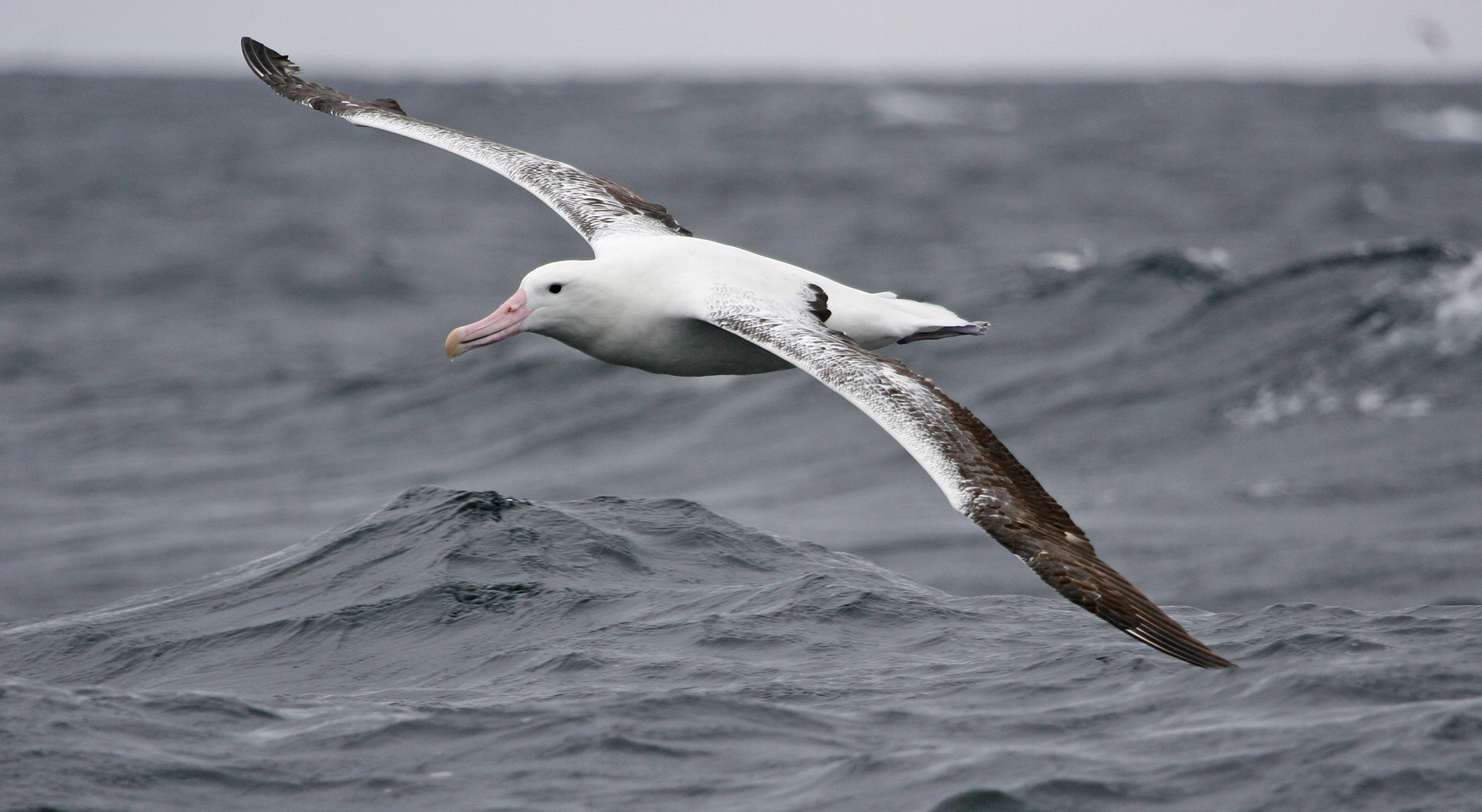
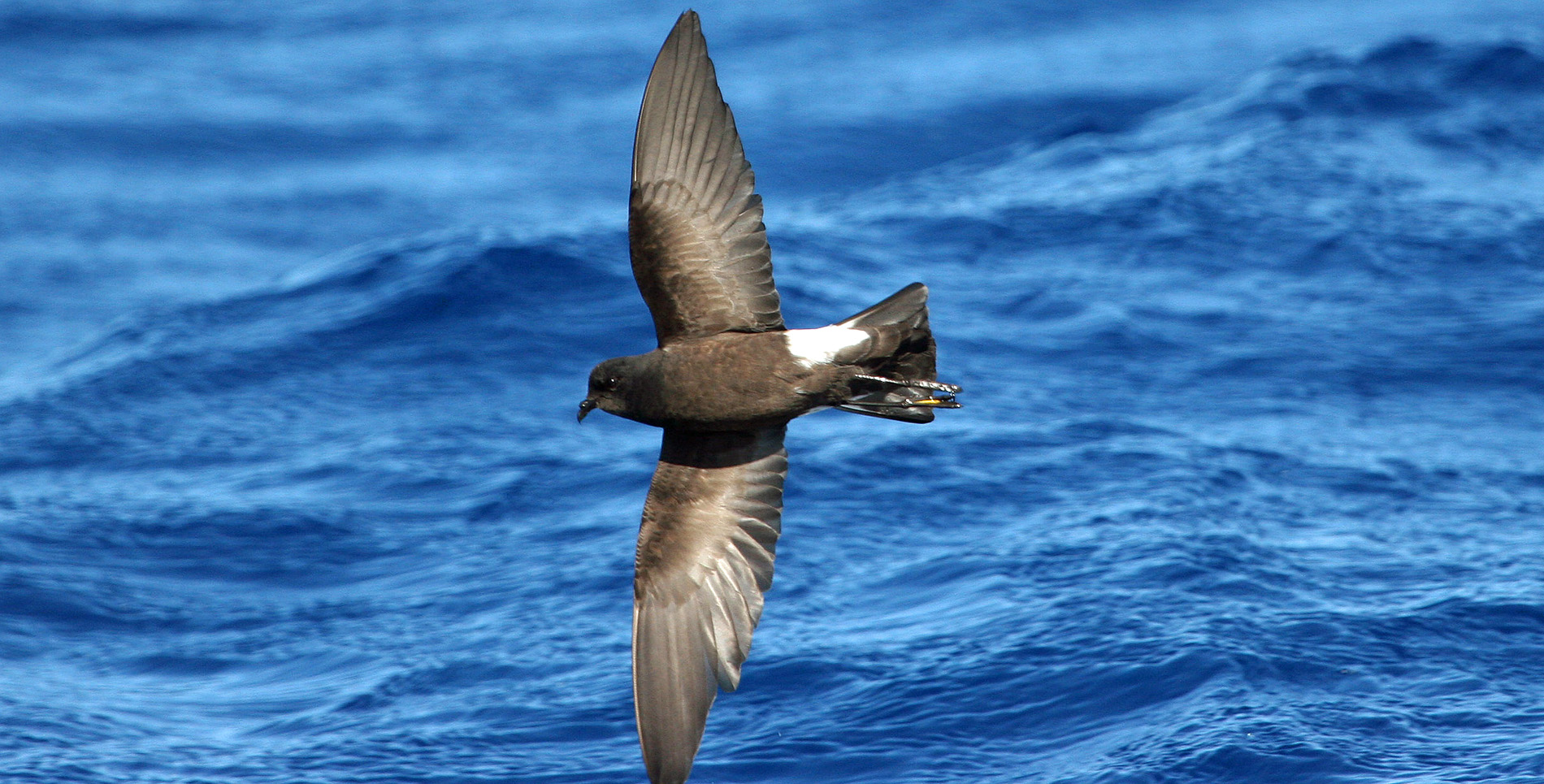
We had come out this far in search of the rarer migrating petrels and we were certainly not disappointed. After a few minutes of chumming the first of about 25 Cape Petrels appeared, followed by a lone Wandering Albatross and a White-faced Storm Petrel. The Wandering Albatross numbers grew to ten over the next three hours and at least 100 Wilson’s Storm Petrels covered the slick and circled the boat allowing some great views and tremendously close photographs of this little seabird.
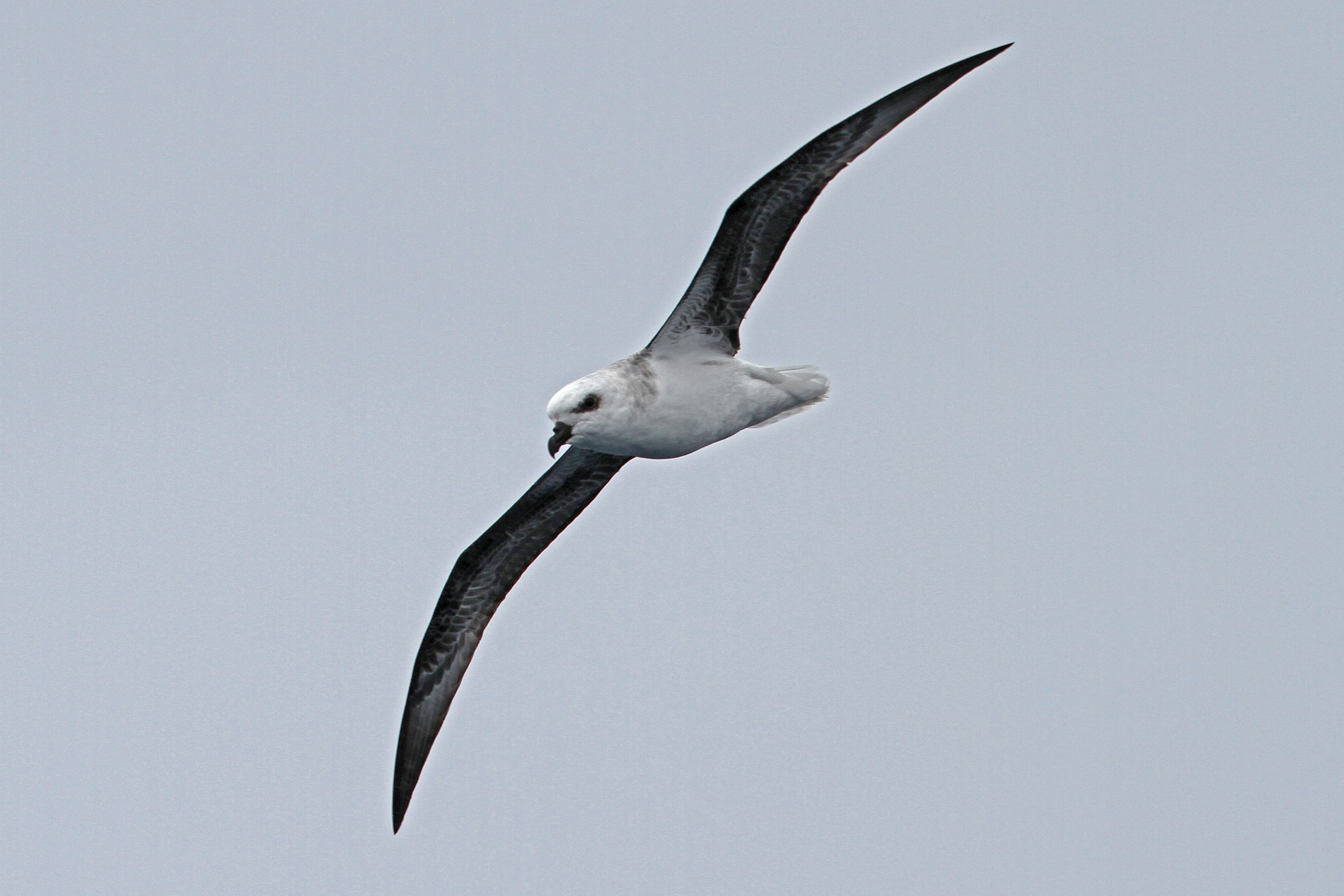
The next bird to arrive was a lone WHITE-HEADED PETREL. It cruised past the back of the boat about 30m away giving everyone on board a good look before continuing south and out of sight. This is the second trip in a row we have had excellent views of White-headed Petrel, with a very obliging bird seen in September.
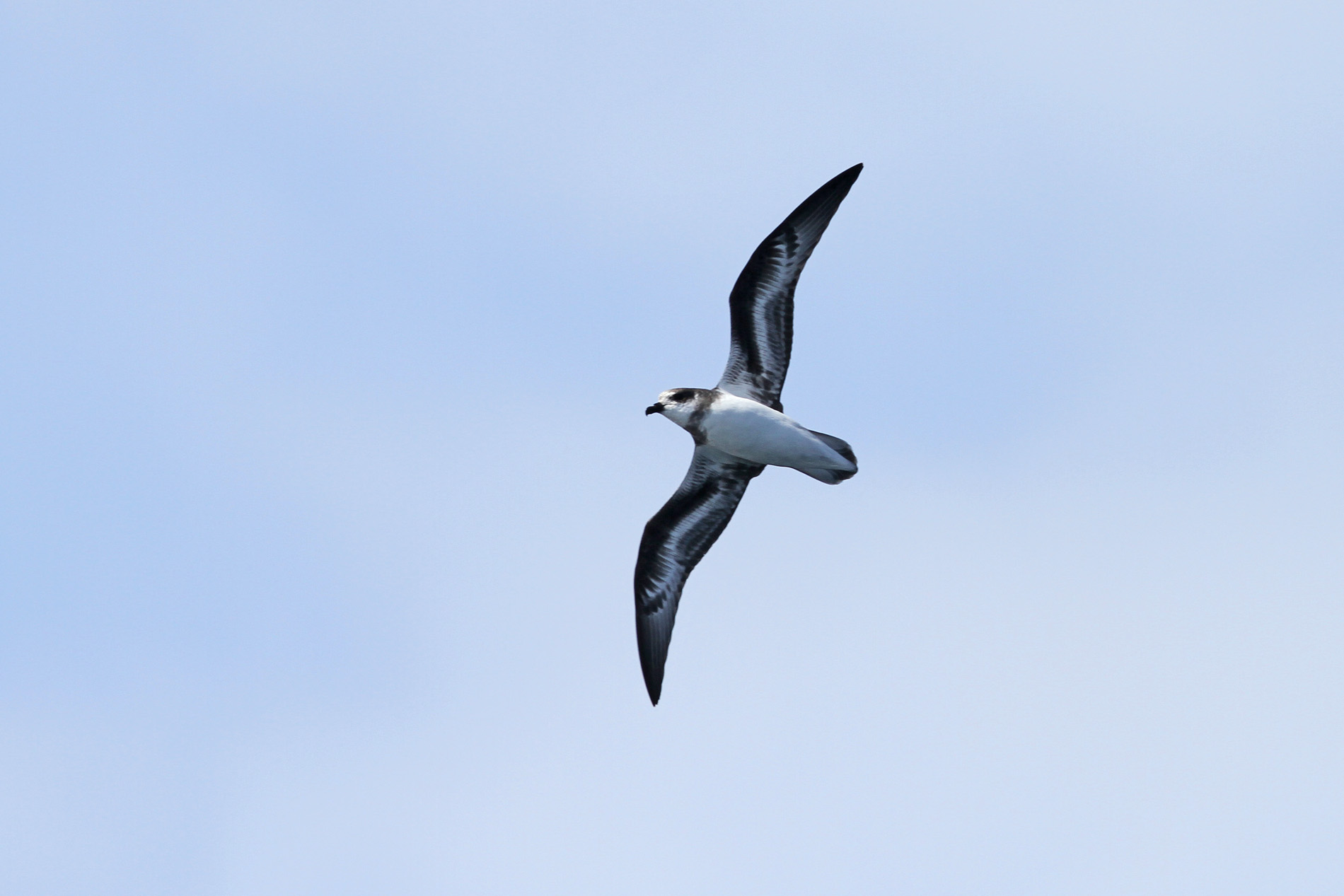
Pycroft’s Petrel
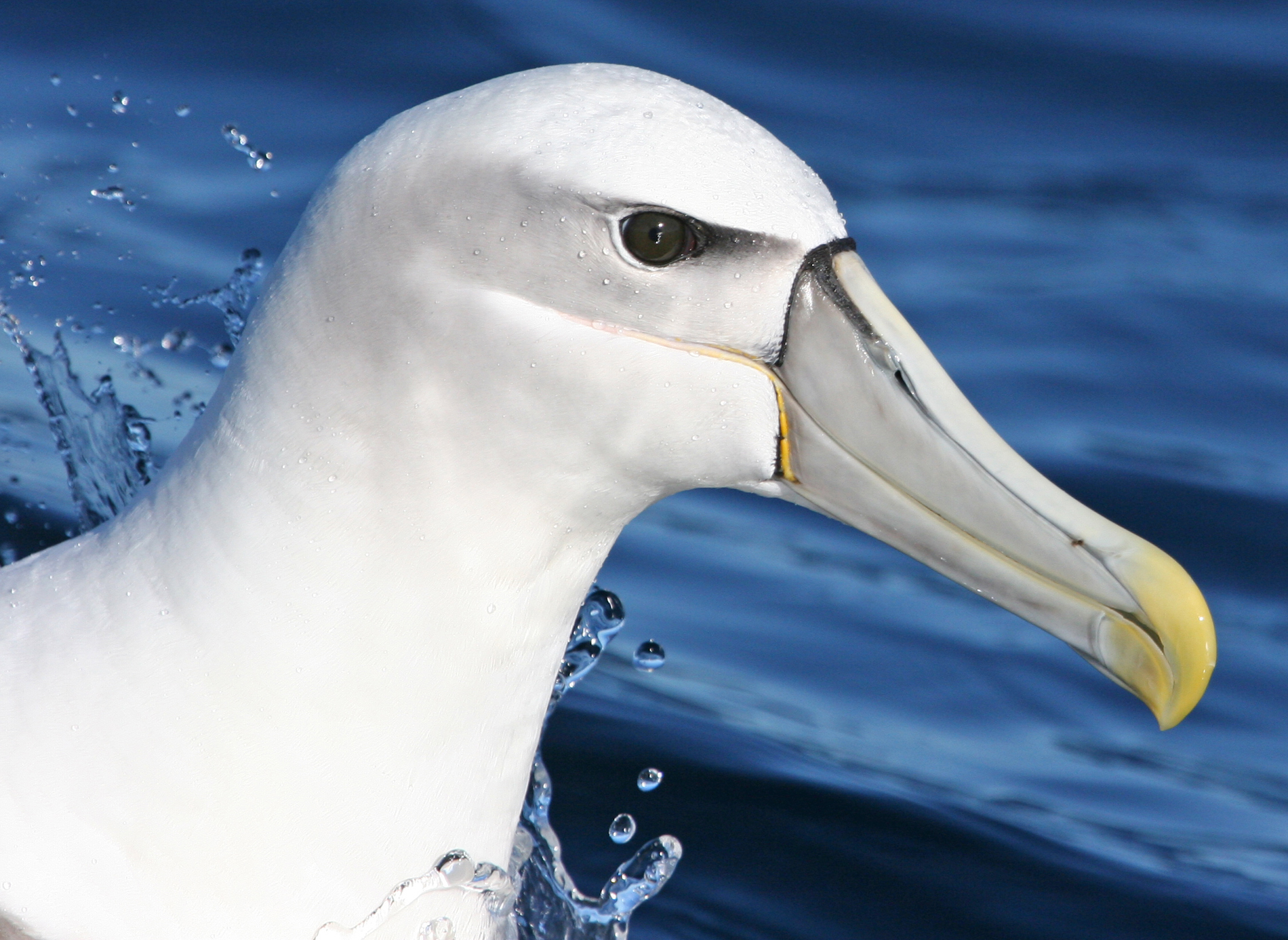
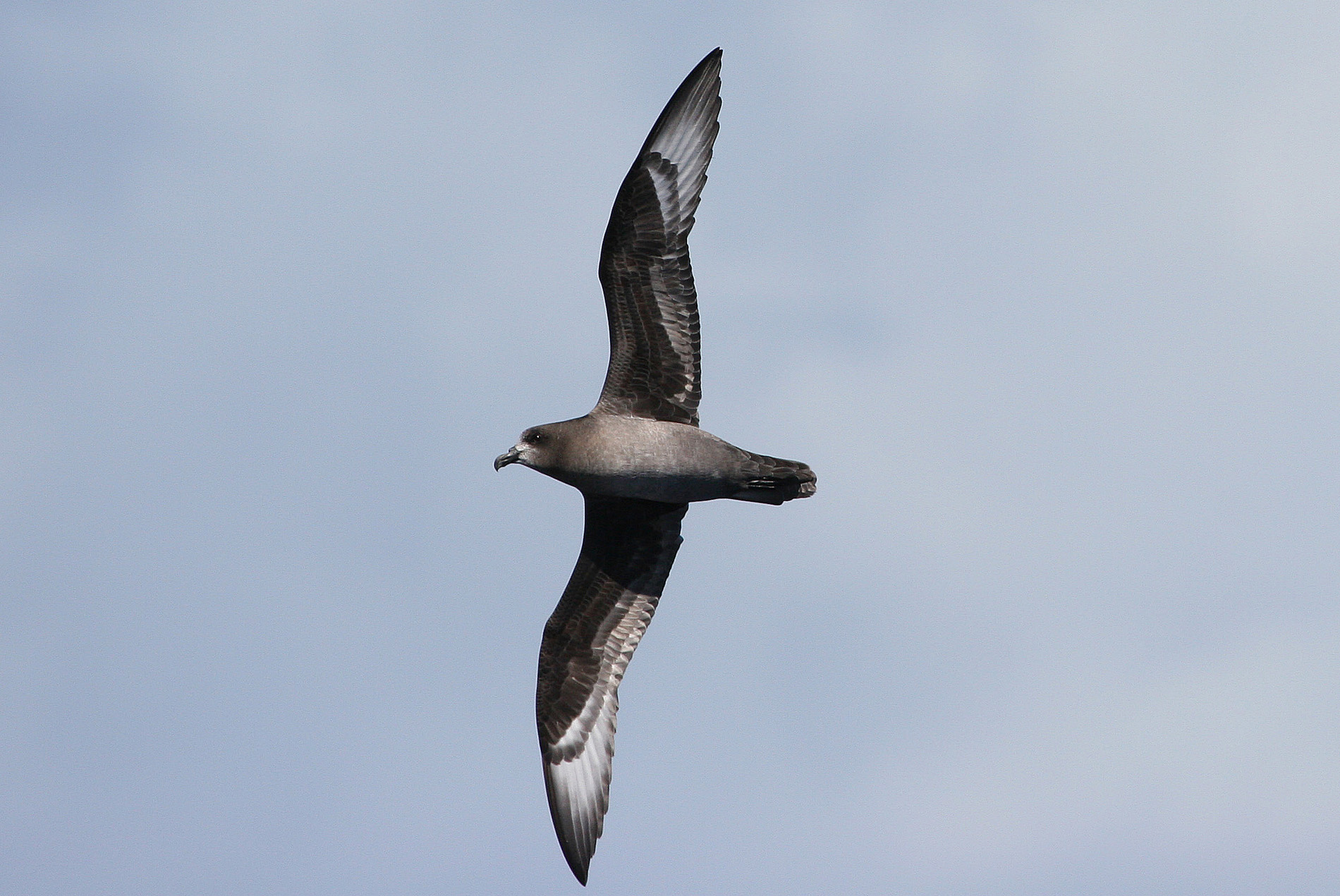
Over the next hour we were visited by a lone Shy Albatross and a Slender-billed Prion, which was the only prion of the day. After two hours at this distant location the wind began to drop and the water became glassy. There hadn’t been a new bird come to the boat for about an hour when Matt Hughes yelled from the top deck, "What’s this!" Only 20-30m from the back of the boat was a small, cookilaria petrel leisurely cruising past. Our quiet, relaxed afternoon in the sun suddenly turned chaotic with everybody rushing to a vantage point as a possible PYCROFT’S PETREL slowly cruised past giving everyone outstanding views and if that wasn’t enough it went down the side of the boat, banked, turned and came back again. This time it came past in a southerly direction and by the time it went across the back of the boat I had taken 13 photos and everyone had had incredible views.
After much celebration on board it was time for the journey home. We cruised back towards the shelf and not long after crossing the shelf, Phil Hansbro yelled, "Stop the Boat!" as another cookilaria petrel was approaching from the rear. The GOULD’S PETREL refused to come very close to the boat giving very frustrating views. It followed the boat for about 30min and each time it started to get near the boat it would bank and fly right back nearly out sight eventually disappearing. As we came closer to the coast we started to see Black-browed Albatross and a single Common Tern before arriving back at the harbour at 4pm ending a very memorable day.
Sunday 13th October 2002
Departed 6.30am returned 4.45pm.
1-2M swell.
Those on board: Phil Hansbro, Richard and Damian Baxter, Sean Dooley, Rob Quinan, Graeme O'Conor, Lynn Tolhurst, Colin Goodenough, Jenny Norton, John Reidy, Sally Roddon and partner and Bruce McKay.
WOW WHAT A WEEKEND!! This report follows on from Richard Baxter's report on our trip the day before on Saturday the 12th of October. We have been planning these trips for ages going out further (40-45 nautical miles, 80-90 Kms) in October to see what we could find and it has paid off BIG TIME!! The prime targets were cookilaria and we saw 2 on Saturday. We managed to get out 43 nautical miles, 86 Kms on Sunday and were again surrounded by rarities, Petrels and Storm-Petrels - FANTASTIC!!
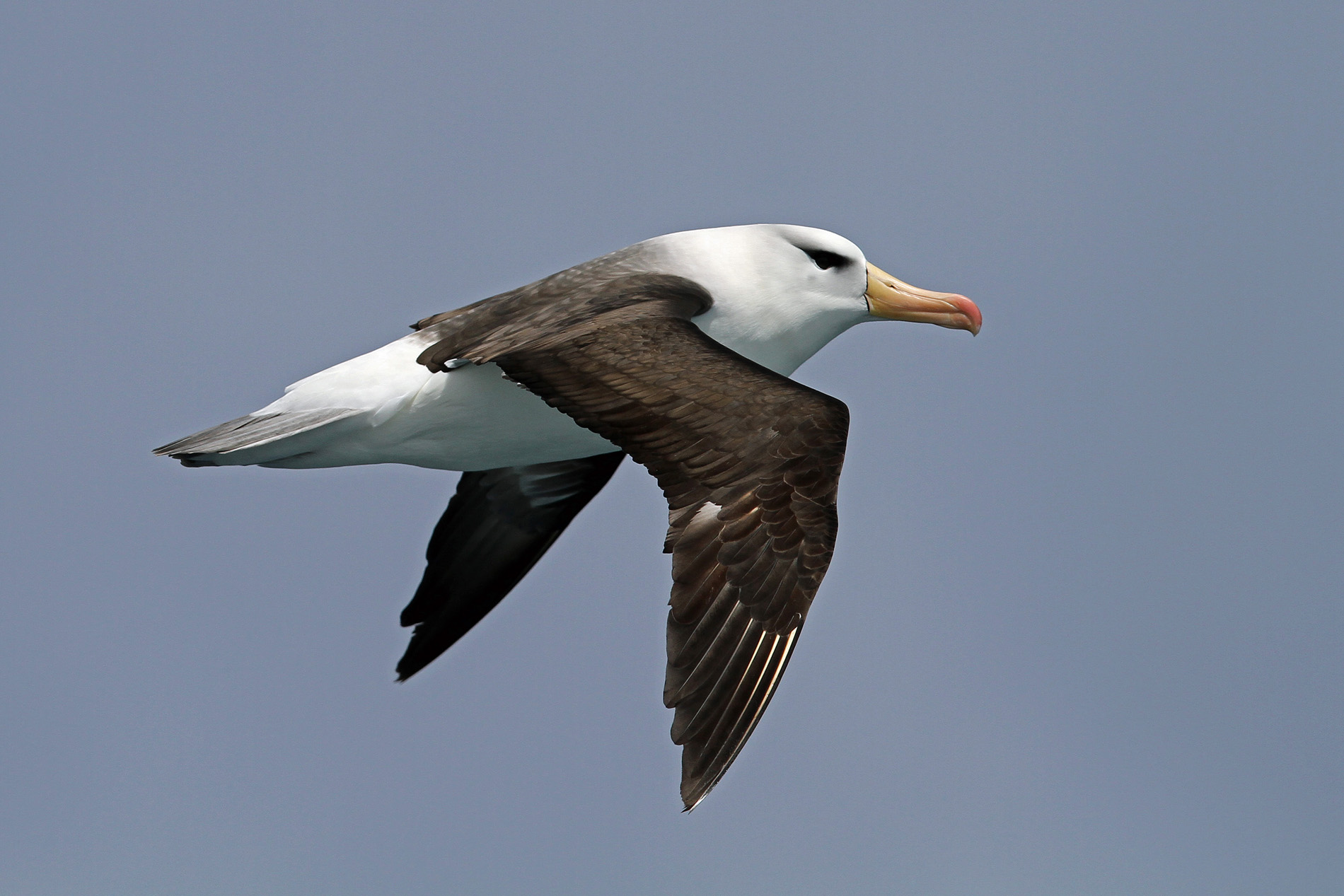
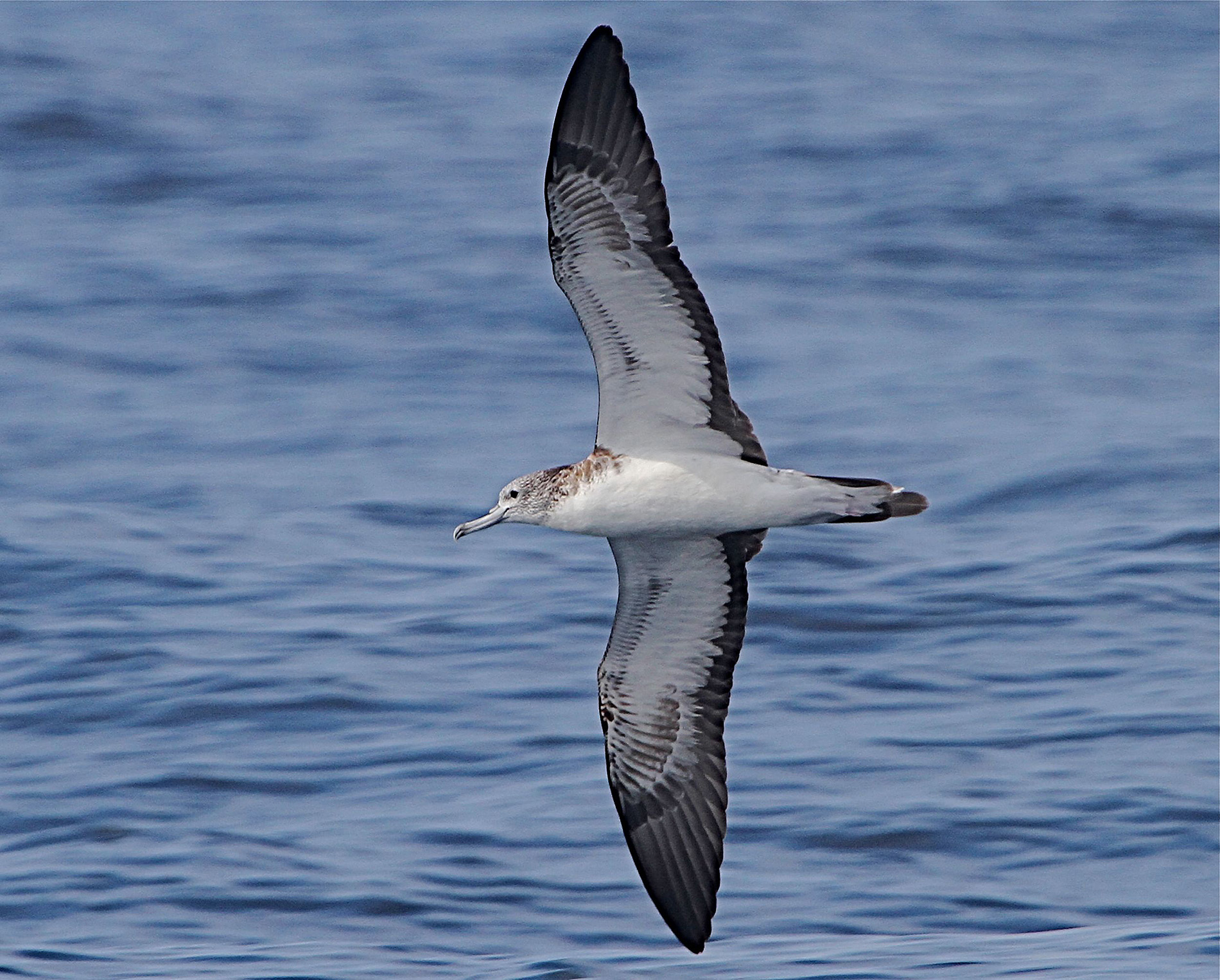
We actually set off 30 mins late (6.30am) but were soon steaming out on a bit of a swell and soon found a trawler just a few Kms out surrounded by Wedge-tailed and the odd Fluttering Shearwater. Suddenly John Reidy picked out a BULLER'S SHEARWATER and everyone managed to see this most stunning of shearwaters.
We didn't stay long with the flock wanting to push further out after Saturday's success and the only other things of note on the way out to the edge of shelf were Flesh-footed Shearwaters and the odd Hutton's Shearwater in with the Flutterings. As we passed the edge of the shelf on a 1M swell the first Great-winged and Solander's Petrels were picked up along with 1 or 2 Wilson's Storm-Petrels and Black-browed Albatrosses the excitement mounted as we got further and further out.
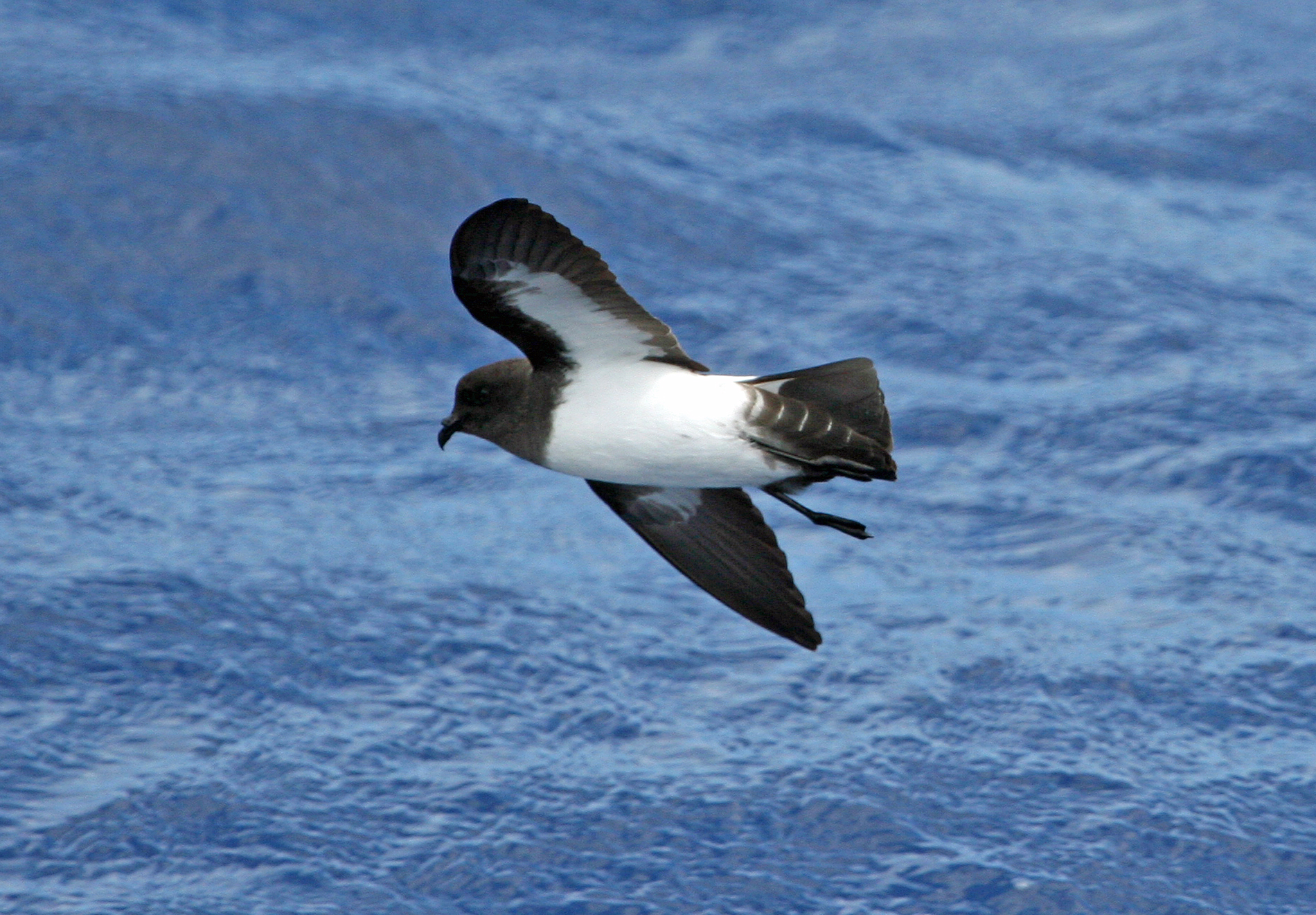
Eventually we slowed down to 10 knots for a few Kms and we started chumming and soon attracted a flock massing some distance from the back of the boat and soon after we stopped. Chumming continued and the flock soon caught us up and consisted of Great-winged and Solander's Petrels, Wedge-tailed, Flesh-footed and the odd Short-tailed Shearwaters. The real fun was just beginning. Lots of Wilson's Storm-Petrels arrived from nowhere and shortly after the first Cape Petrel arrived. Not long after I picked up a BLACK-BELLIED STORM-PETREL the bird flew in nicely and at least 2 remained with us for the rest of the stop. These represent the first records off the Swansea boat. I picked up another fregretta storm-petrel flying straight towards us, it came in close to the boat banked showing it's white-belly and underwings, hung in the air for a couple of seconds showing the smallest small foot projection and the disappeared into the abyss. Put together these features ID the bird as a WHITE-BELLIED STORM-PETREL. It hung around long enough for Richard Baxter to get a few photos, which confirm the claim. This is also our first record off Swansea!. We continued to be entertained during our 3 hour stop during which we drifted for 3 miles. New birds appeared at regular intervals and included several Gibsoni Wandering Albatrosses a 1st year Southern Giant Petrel and a Fairy Prion in heavy moult. The Wilson's Storm-Petrels continued to increase in number and gave stunning views down to a few feet, a few White-faced Storm-Petrels also joined them. The Black-bellied Storm-Petrels were almost continually on show, although not as close as the Wilson's and the White-bellied refused to show itself again.
All too quickly our time was up and we headed slowly back to the edge of the shelf although this wasn't to be the end of the excitement. After a while at 10 knots I picked up a small petrel with white underparts and head and uniform pale grey upperparts characteristic of a COOK'S PETREL, we stopped the boat and chummed for some time but the bird wouldn't come in - could this have been the same bird as the previous day - it's friend was soon to turn up!! This was going to be the tale of the way in. We started again and after another few miles I picked up another cookilaria, this time with a dark head and the call of GOULD'S PETREL went out. The bird remained distant and again didn't come in and flew off East but the situation was repeated soon a few miles later. This time I picked up another GOULD'S PETREL which again came in from the West and gave reasonable views for some time. I lost track a bit but sometime amongst all of this excitement I picked out a SOOTY TERN giving distant views in the wake.
We returned to the edge of the shelf and heading back in for 5.00pm after a most memorable trip - simply stunning although some of the views could have been longer or better. It is most notable to point out that similar trip on Saturday out of Sydney found no rarities and we believe that this is solely due to the distance that we travelled out.
©Phil Hansbro & Richard Baxter 2002
The Australian Seabird Expedition 2008
The Inaugural Australian Seabird Expedition was one of the longest and most ambitious seabirding trips ever undertaken from the east coast of Australia. Over 23 days, fourteen seabirders took part on three different legs covering over 4000km of open ocean, within Australia’s EEZ, surveying seabirds and cetaceans.
Leg1, travelled from Newcastle, across the continental shelf and towards Lord Howe Island about 750km N/E. Passing within 15km of LHI and continuing north east for a further 900km, eventually arriving at Australia’s eastern most territory, Norfolk Island. Leg 2 sailed directly north from Norfolk towards a distant seamount 300km away and on the edge of our territorial borders with Noumea.
After returning to Norfolk Island, expeditioners commenced the return journey back to NSW, passing LHI and crossing the shelf north off Newcastle, finishing on the 17th October 2008.
Background
Most of Australia’s offshore waters have been extensively surveyed for both seabirds and cetaceans. Virtually all of our southern ocean waters have been surveyed yearly for decades through privately organised pelagic trips, various scientific research vessels and AAD trips to Antarctic, Heard and Macquarie bases. NW WA, SW WA, the Great Barrier Reef and the continental strip along the east coast have all been repeatedly surveyed for many years.
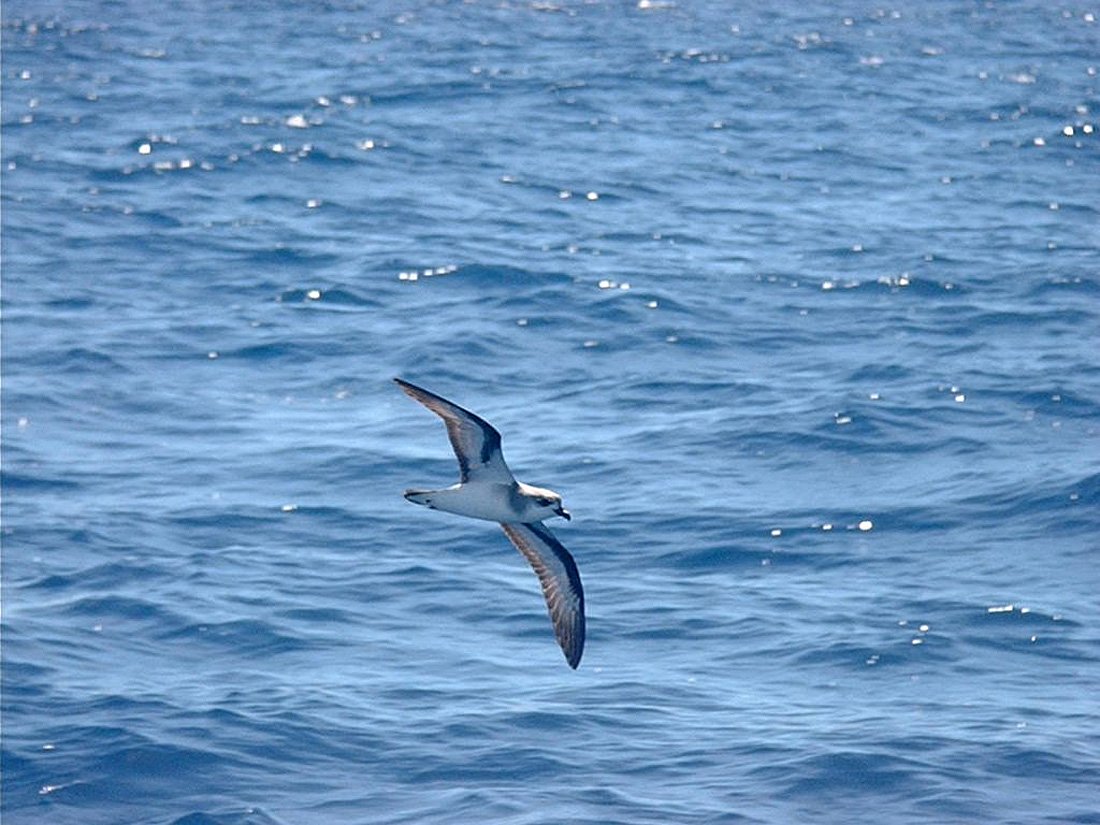
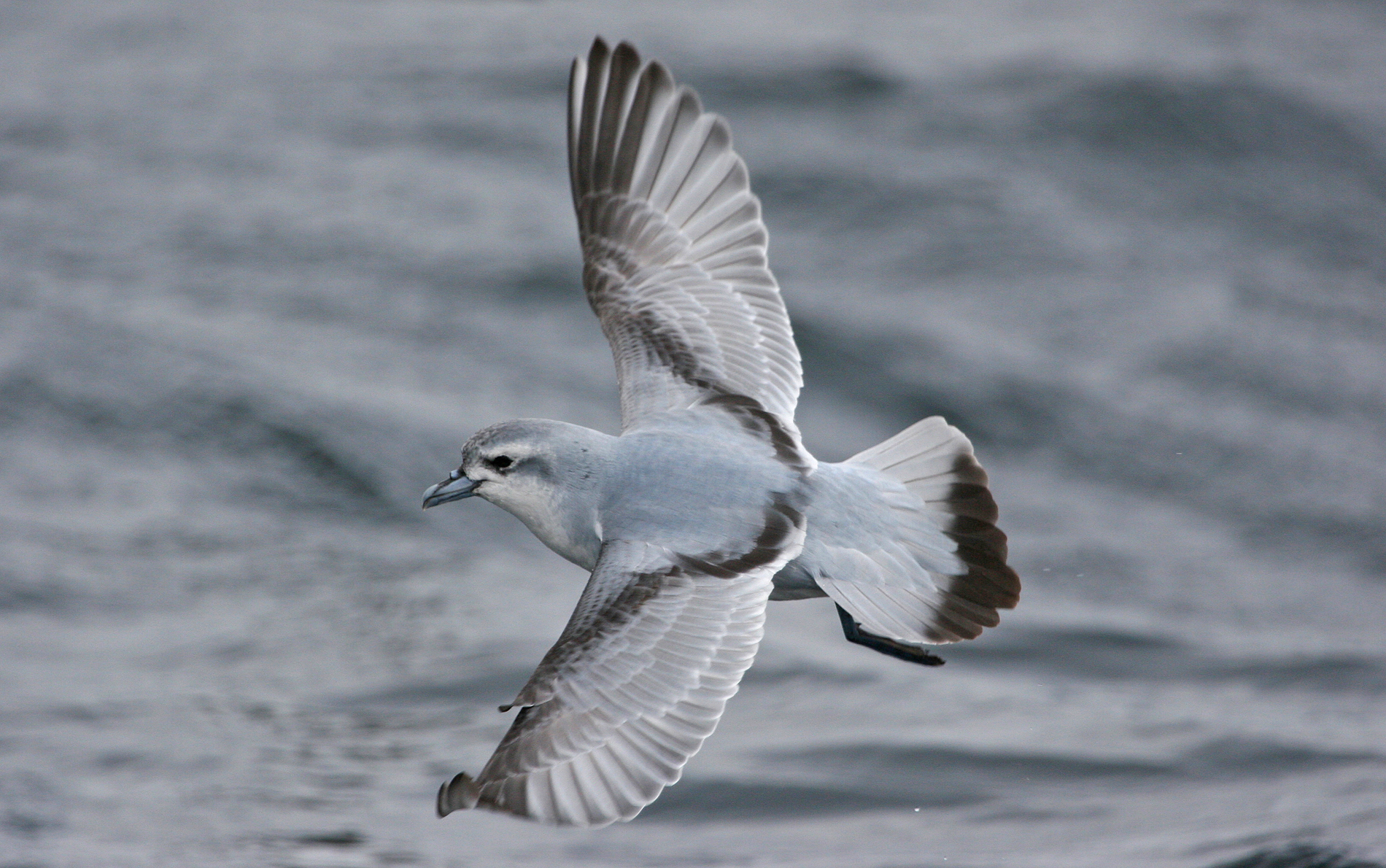
The vast area of the western pacific from mainland Eastern Australia out to our EEZ around Norfolk Island, a distance of around 2000km remains in many ways unsurveyed. Records from these waters have been incidental, coming from fishing boats, passing ships or expedition ships repositioning to the northern hemisphere.
Objectives:
Staying within Australian waters, this expedition “slow travelled” these waters over 23 days surveying for both seabirds and cetaceans. The timing and route of this seabirding expedition was planned to coincide with the annual southern migration of Cook’s, Mottled and Pycroft’s Petrel as well as Buller’s Shearwater back to their breeding grounds in NZ.
GPS locations were recorded throughout the journey and water temperature readings were taken twice daily. The survey track took us to a seamount about 180nm north of Norfolk Island and roughly half way to Noumea.
Total species numbers seen:
| Red-tailed Tropicbird | 16 | Great-winged Petrel | 743 |
| White-tailed Tropicbird | 5 | Solander’s Petrel | 166 |
| Wilson’s Storm-Petrel | 65 | Mottled Petrel | 55 |
| White-faced Storm-Petrel | 2 | Gould's Petrel | 2 |
| Black-bellied Storm-Petrel | 17 | Cook's Petrel | 9 |
| White-bellied Storm-Petrel | 137 | Pycroft’s Petrel (?) | 4 |
| Wandering Albatross | 94 | Collared Petrel | 1 |
| Black-browed Albatross | 3 | Black-winged Petrel | 4 |
| Shy Albatross | 7 | Australasian Gannet | 50 |
| Yellow-nosed Albatross | 3 | Masked Booby | 27 |
| Northern Giant-Petrel | 3 | Brown Booby | 1 |
| Cape Petrel | 65 | Brown Skua | 5 |
| White-chinned Petrel | 3 | Pomarine Jaeger | 2 |
| Westland Petrel | 1 | Arctic Jaeger | 360 |
| Black Petrel | 8 | Long-tailed Jaeger | 7 |
| Wedge-tailed Shearwater | 203 | Common Noddy | 61 |
| Buller’s Shearwater | 2 | Black Noddy | 211 |
| Flesh-footed Shearwater | 532+ | White Tern | 105 |
| Sooty Shearwater | 41 | Grey Ternlet | 37 |
| Short-tailed Shearwater | 3740+ | Sooty Tern | 564 |
| Fluttering Shearwater | 2 | Roseate Tern | 3 |
| Hutton's Shearwater | 3 | White-fronted Tern | 1 |
| Little Shearwater | 246 | Crested Tern | 20 |
| Tahiti Petrel | 32 | Silver Gull | 6 |
| Kermadec Petrel | 5 | Ruddy Turnstone | 2 |
| White-headed Petrel | 2 |